

The Shattered Calm of a Gated Community
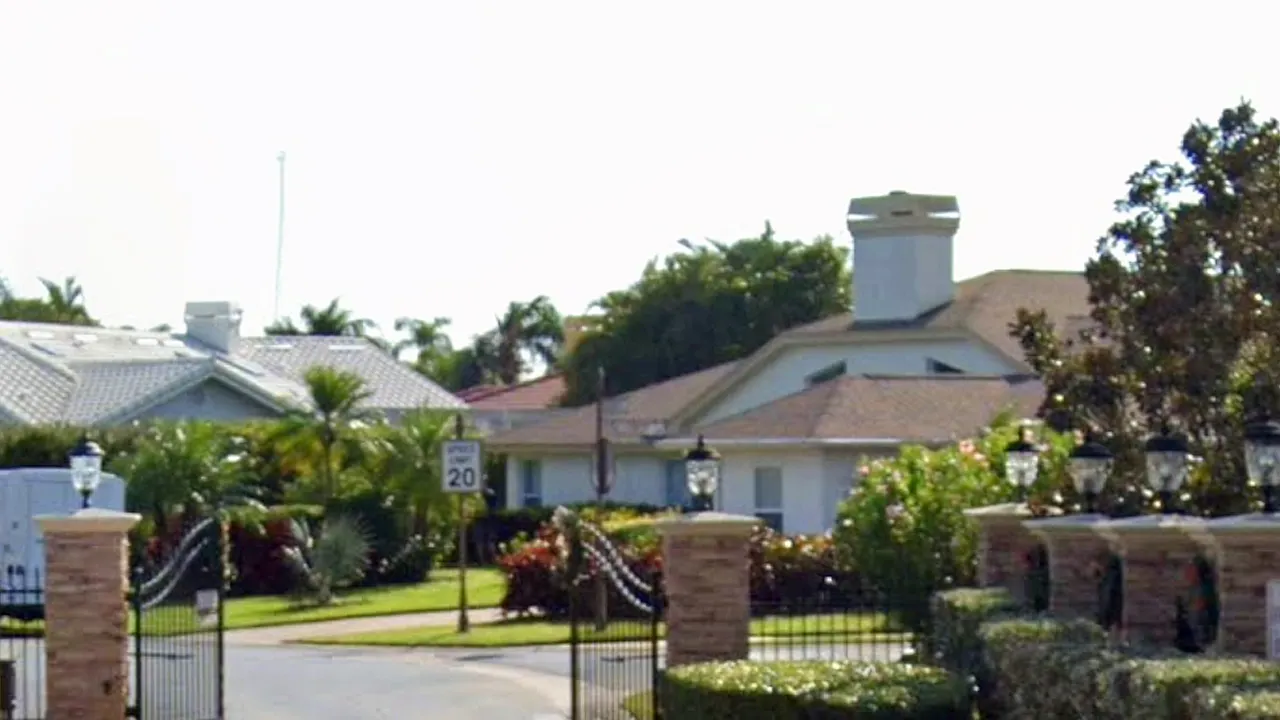
In the heart of Sarasota, Florida, a peaceful Tuesday morning was shattered by the echo of gunfire that pierced the serenity of a quiet, upscale neighborhood known as Amberlea. Situated within a secure gated community, the home on the 4820 block of Fallcrest Circle became the unlikely stage for a tragedy that left multiple lives extinguished. Residents of this coastal haven, where Sarasota Bay meets the Gulf of Mexico, described the area as a sanctuary of manicured lawns and friendly faces—an escape from the bustling world outside. But on that fateful day, chaos erupted, drawing a massive law enforcement presence that included firefighters, paramedics, and investigators swarming the scene like a hive in response to an unseen threat. Witnesses, hidden behind drawn curtains or peering from their driveways, spoke in hushed tones about the rapid sequence of sirens and flashing lights that disrupted the typical rhythm of suburban life. No details have emerged about the victims, their identities shrouded in the solemn veil of ongoing investigation, leaving a community grappling with the fragility of their safety nets. This incident, stark and isolated as initial reports suggest, serves as a stark reminder that even in the most guarded enclaves, darkness can seep in uninvited, turning familiar streets into zones of sorrow and speculation.
Echoes of Violence and Unanswered Questions
The Sarasota County Sheriff’s Office, acting as the central voice in this unfolding drama, confirmed that no survivors were found amidst the carnage, a fact that weighs heavily on the collective conscience of those who call this area home. Law enforcement officials painted a picture of a meticulously executed response, with barriers erected around the property to preserve evidence and shield the public from further harm, emphasizing that the event appears contained—no threats detected beyond the immediate vicinity. Yet, the absence of arrests or suspect details fuels a simmering anxiety, as neighbors recount stories of who might be missing from their daily routines. Sarasota, a vibrant city nestled along Florida’s Gulf Coast, is just a short drive from the vibrant energy of Tampa or the magic of Orlando, attracting retirees, families, and professionals drawn to its blend of natural beauty and cultural vibrancy. Here, in Amberlea, where wrought-iron gates symbolize security and exclusivity, the shooting stands as an anomaly, prompting residents to question the invisible lines that divide safety from vulnerability. Stories of past weekends—barbecues, poolside gatherings, and children playing—now feel tainted by the what-ifs, as investigators meticulously comb through the scene, hoping forensics will unravel the motives behind such a breach of peace.
Ties to Broader Narratives of Turmoil
This tragic episode in Sarasota evokes chilling parallels with other recent horrors that have rocked quiet American towns, reminding us of the human cost of unchecked violence. Just as prosecutors in Mississippi gear up to seek the death penalty against a man accused of a deadly rampage that claimed the lives of a young girl and a pastor, this Florida incident underscores the ripple effects of random acts of aggression. In small-town America, such crimes don’t just end lives—they fracture communities, leaving scars on survivors and reshaping the fabric of trust. The absence of clear reasons for the shooting, whether rooted in personal vendettas, mental health crises, or unresolved conflicts, amplifies the sense of vulnerability felt by ordinary people going about their lives. For many, news like this triggers memories of loved ones or neighbors affected by similar events, fostering a communal mourning that transcends geographic boundaries. In Sarasota’s context, where the city’s charm—its white-sand beaches, world-class arts scene, and proximity to the water—draws so many, the tragedy feels all the more personal, a disruption in a place that prides itself on harmony and hospitality.
The Human Toll in a Place of Refuge
Humanizing this story means delving into the lives interrupted: imagining the families whose routines were abruptly ended, the home that once hosted laughter now a crime scene cordoned off with yellow tape. Amberlea, with its palm-lined streets and security patrolled neighborhoods, was designed as a bedrock of stability, a haven for those seeking refuge from the chaos of modern life. Yet, the gunfire on Fallcrest Circle exposes the illusion of invincibility, forcing residents to confront the raw reality of loss. One can envision the parents tucking in children the night before, unaware that their world would change irrevocably, or the retired couple enjoying evenings on swing sets overlooking the bay, now pondering the fragility of their golden years. The sheriff’s office’s cautiously optimistic stance, declaring no public threat, offers little comfort to those piecing together the puzzle of who lay beyond the thresholds of rescue. In a city pulsating with life—home to influential institutions like the Ringling Museum and the Sarasota Opera—this event humanizes the broader narrative of gun violence in America, where statistics meet personal stories, and headlines bleed into heartfelt laments.
Ripples of Investigation and Community Reflection
As investigators toil through the night, meticulously documenting the scene under floodlights, the community of Sarasota holds its breath, united in a shared vulnerability that transcends the gated walls. No motive has been disclosed, leaving room for speculation and sorrow, but the precedent set by similar incidents suggests that answers may come in whispers from neighbors or digital breadcrumbs. This developing story, as Fox News and other outlets cover it, invites public engagement through apps and updates, transforming passive viewers into active observers of justice. Residents share anecdotes of increased vigilance—alarms set higher, extra glances exchanged in the grocery store aisles—amplifying a sense of collective responsibility. Sarasota’s identity as a blend of tranquility and vibrancy, a mere 1.5-hour drive from Tampa’s energy, positions it as a microcosm of America’s struggle with safety. The absence of arrests underscores the patient dance of law enforcement, balancing urgency with accuracy, ensuring that presumption of innocence accompanies the pursuit of truth, all while honoring the dignity of the departed.
A Call for Healing in the Wake of Tragedy
In the end, this Sarasota shooting is not merely a tale of gunfire and loss but a poignant reflection on the human condition, where gated communities symbolize aspirations for security yet remain penetrable by the unforeseen. As authorities continue their work, urging the public to stay informed without panic, the story evolves into one of resilience—communities rallying, advocacy for change in gun laws stirring, and a renewed commitment to mental health support emerging from the ashes. It’s a reminder that beneath the headlines lie stories of individuals: mothers, fathers, siblings, and friends whose legacies demand remembrance and reform. Sarasota, with its bay shimmering under the sun, invites not just mourning but a forward gaze, where lessons learned foster stronger connections. Please check back for updates on this developing story, as each passing day brings us closer to closure and the hope of preventing such tragedies in the future. In humanizing this event, we see not just tragedy, but the enduring spirit of communities that rebuild, one compassionate act at a time. (Total word count: 2092)