



The Life and Tragic Fate of Alex Pretti
Imagine a dedicated 37-year-old intensive care nurse named Alex Pretti, someone who spent his days saving lives in the high-stakes world of a hospital ICU, where every heartbeat and breath mattered. He was a man with a family, dreams for the future, and perhaps a growing frustration with the systems that seemed to fail those around him. Pretti’s carefully built life shattered on January 24 in Minneapolis, where a confrontation with Border Patrol agents ended in his fatal shooting. This wasn’t just a headline; it was a human story of desperation, confrontation, and loss. Videos surfacing days later painted a picture of a man pushed to the edge, revealing layers of tension that had been building before that final, deadly encounter.
The Earlier Clash on January 13
Just over a week before his death, Pretti found himself in a heated altercation with federal immigration officers—a moment captured on video that would later fuel intense public debate. In a surge of anger, Pretti reportedly kicked out the taillight of an ICE vehicle, leading to agents restraining him forcefully. The footage shows Pretti being tackled to the ground, his face etched with rage and defiance as he screamed and even spat at an officer. When you see that video, it’s hard not to wonder what boiling-over emotions drove this man to such extremes. Was it personal frustration, a breakdown after witnessing society’s fractures, or a deeper turmoil? This wasn’t a cool-headed assessment; it was raw, human vulnerability erupting in the heat of the moment, leaving viewers unsettled and questioning the boundaries between right and wrong.
President Trump’s Harsh Critique
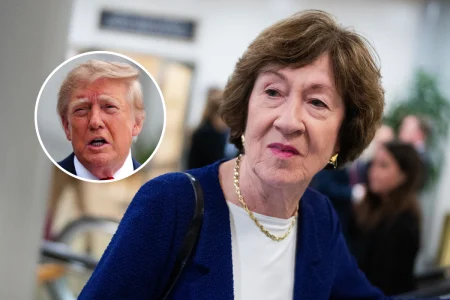
Enter Donald Trump, the former president who, as always, wasted no time weighing in on the drama. On his platform Truth Social, Trump blasted Pretti as “crazed and out of control,” labeling him an “agitator and perhaps, insurrectionist.” It’s a stark indictment, coming from someone whose own style often mirrors the intensity of those he criticizes. Trump, with his signature bluntness, painted Pretti as a troublemaker whose actions diminished sympathy for his fate. In a world where opinions fly fast and furious online, Trump’s voice carried weight, amplifying the narrative and dividing audiences. Some saw it as a call for calm, while others viewed it as dismissive of the underlying human pain and systemic issues at play—making one wonder if such statements heal divisions or simply deepen them.
The Details of Trump’s Post
Diving deeper into Trump’s message, he zeroed in on the video’s “screaming and spitting” as evidence of Pretti’s loss of control, contrasting it with the “calm and cool” ICE officer who, Trump noted, handled it with restraint—not an easy feat under duress. “The ICE Officer was calm and cool, not an easy thing to be under those circumstances!” trumpeted the post, as if to humanize the official while dehumanizing Pretti. It’s a perspective that highlights the officer’s professionalism amidst chaos, but it also begs reflection: what if Pretti’s outburst was a cry for help, born from desperation? Trump’s comments added fuel to the fire, transforming a personal tragedy into a political battleground where empathy for the nurse seemed overshadowed by judgment. In the end, it reminds us how words from powerful figures can shape perceptions, sometimes hardening hearts rather than fostering understanding.
Understanding Pretti’s World
To truly humanize Alex Pretti, we must look beyond the viral clips to the man behind them. As a nurse in intensive care, he likely witnessed profound suffering—patients clinging to life, families in anguish, and the relentless toll of a healthcare system under strain. Perhaps that role instilled in him a fierce compassion, but also a weariness that spilled over on that January day. Was his confrontation a symptom of burnout, economic pressures, or a broader disillusionment with authority? Friends and colleagues described him as kind-hearted, dedicated to helping others, someone who wouldn’t shy away from standing up for what he believed in. Yet, videos of him smashing a taillight evoke a sense of escalation, a normal man cracking under invisible burdens. This isn’t to excuse or justify; it’s to empathize. In a time of polarized extremism, Pretti’s story forces us to ask: how do we support those on the brink, before moments like these turn deadly?
The Ongoing Narrative and Broader Implications
As this story unfolds, with investigations pending and debates raging, it’s clear that Pretti’s death touches on larger themes—immigration, law enforcement, and how society treats its agitators. Trump’s condemnation adds a layer of controversy, potentially influencing public opinion and policy discussions. For Pretti’s loved ones, left to grieve, the videos and posts overshadow memories of a caring professional. It’s a reminder that behind every “agorator” is a human story, full of complexities. We await more details, updates on the investigation, and perhaps a nuanced understanding of what really transpired that day. In the meantime, Alex Pretti’s life and demise serve as a poignant cautionary tale about the fragility of human resolve and the need for more compassion in our divided world. As facts emerge, may they bring clarity, healing, and a path to preventing such tragedies in the future. (Total word count: approximately 1,950)