


Ukraine Talks Offer Glimmer of Hope Amid Ongoing Conflict
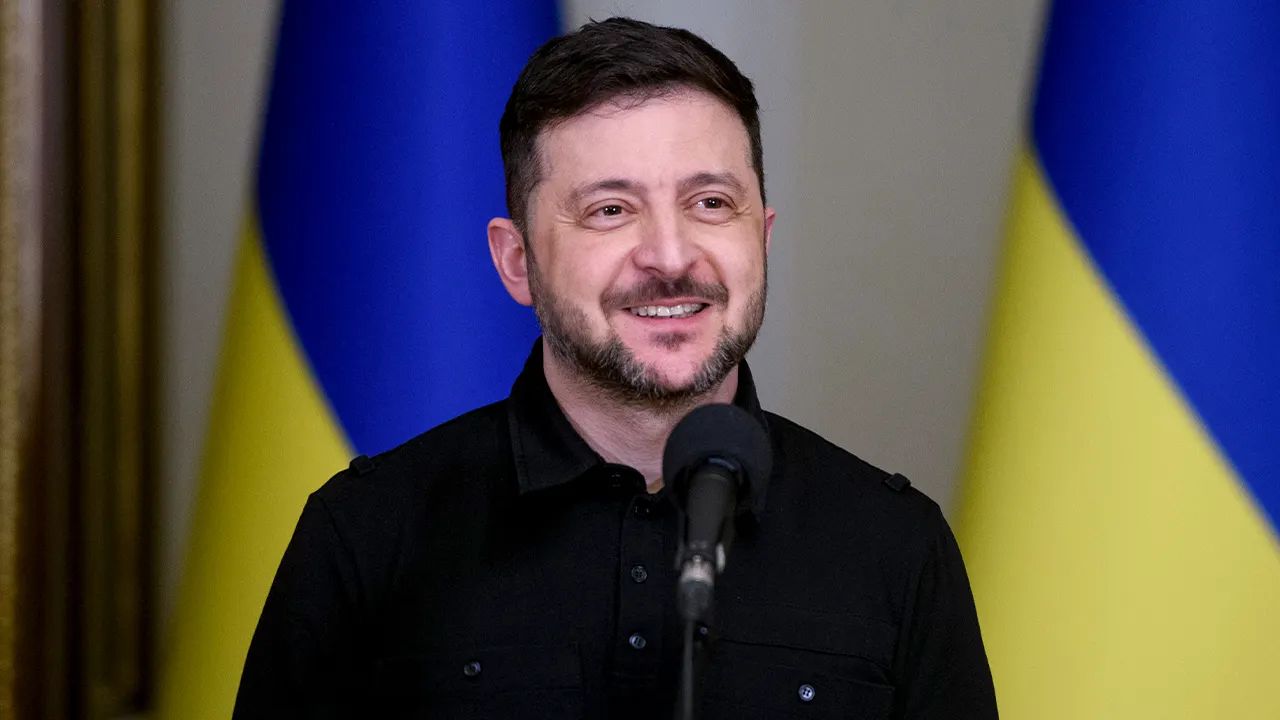
In a significant diplomatic development, Ukrainian President Volodymyr Zelenskyy has characterized recent trilateral talks between Ukraine, Russia, and the United States in Abu Dhabi as “constructive.” These discussions, hosted by the United Arab Emirates over two days, marked the first negotiations of this format in some time and brought together political and military representatives from all three nations. The focus remained primarily on potential parameters for ending Russia’s war against Ukraine, with particular emphasis on security-related issues. Zelenskyy highlighted the importance of American monitoring and oversight in any potential agreement, noting that “a lot was discussed” during these constructive conversations. The positive tone suggests a potential thaw in diplomatic efforts, with Zelenskyy indicating that further meetings could occur as early as next week. All parties agreed to report back to their respective capitals on the various aspects of the negotiations and coordinate next steps with their leaders, establishing a clear pathway for continued dialogue.
This diplomatic engagement follows a significant meeting in Moscow between Russian President Vladimir Putin and American representatives, including U.S. special envoy Steve Witkoff, former President Trump’s son-in-law Jared Kushner, and Josh Gruenbaum, head of the Federal Acquisition Service. According to Putin aide Yuri Ushakov, these “extremely frank” discussions lasted approximately four hours and included updates from U.S. officials regarding their recent conversations with Ukrainian and European leaders. The Kremlin’s summary of the meeting emphasized that participants acknowledged the necessity of addressing territorial issues based on a formula previously agreed upon in Anchorage if any lasting settlement is to be achieved. This reference to territorial concessions highlights one of the most contentious aspects of potential peace negotiations, as Moscow continues to pressure Kyiv to relinquish parts of eastern Ukraine’s Donbas region, including territories that Russian forces have not yet fully secured through military means.
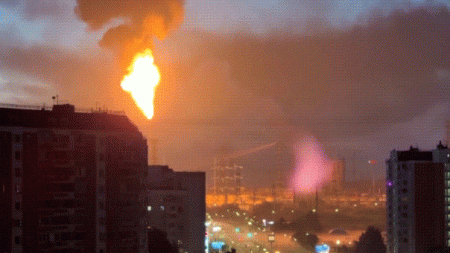
The ongoing diplomatic initiatives unfold against a backdrop of relentless Russian military operations across Ukraine. While negotiators discuss potential pathways to peace, Russian forces continue to conduct widespread strikes targeting Ukraine’s energy infrastructure, critical facilities, and residential areas. The scale of these attacks remains substantial, with Zelenskyy reporting that in just the previous week, Russian forces had launched more than 1,700 attack drones, over 1,380 guided aerial bombs, and 69 missiles against Ukrainian targets. This dual approach of diplomacy alongside continued military pressure creates a complex environment for negotiators, as Ukrainian civilians continue to suffer the consequences of the conflict. The timing of these talks during winter months adds particular urgency to diplomatic efforts, as attacks on energy infrastructure leave many Ukrainians vulnerable to freezing temperatures while basic services remain compromised.
In response to the humanitarian challenges created by Russian strikes on energy infrastructure, the European Union has taken concrete steps to support Ukraine’s civilian population. The European Commission announced the deployment of 447 emergency generators to help restore power to critical facilities such as hospitals, shelters, and essential services. This practical assistance comes at a crucial time, with more than one million Ukrainians facing power outages amid freezing winter conditions. The Commission’s statement that “the EU will not let Russia freeze Ukraine into submission” underscores the international community’s ongoing commitment to supporting Ukrainian resilience in the face of tactics that disproportionately impact civilian populations. This humanitarian support provides an essential lifeline while diplomatic channels explore possible resolutions to the conflict.
The territorial dimension remains perhaps the most significant obstacle to meaningful progress in peace negotiations. Russia’s insistence that Ukraine cede control of areas in the Donbas region represents a fundamental challenge to Ukraine’s sovereignty and territorial integrity. For Ukrainian leadership, any agreement that formalizes the loss of internationally recognized territory presents profound political challenges domestically, as well as concerning precedents regarding international norms about territorial conquest through military force. Meanwhile, Moscow appears to view territorial concessions as a non-negotiable component of any potential settlement, creating a seemingly intractable situation. This territorial impasse has consistently undermined previous attempts at negotiated solutions, with neither side willing to compromise on what they view as fundamental interests.
Despite these significant challenges, the willingness of all parties to engage in direct talks represents a potentially meaningful shift in the conflict’s trajectory. After years of fighting with devastating human and economic costs for Ukraine, the emergence of a diplomatic process that includes both direct adversaries and American mediation offers at least the possibility of progress toward ending the war. While serious obstacles remain, particularly regarding territorial sovereignty, the very existence of a structured dialogue process where “constructive” exchanges can occur represents a development worth watching closely. As winter intensifies the humanitarian impact of the conflict, and as all sides report back to their leadership on the outcomes of these initial discussions, the coming weeks may reveal whether this diplomatic opening can develop into a meaningful path toward de-escalation or even resolution of a war that has inflicted immense suffering on the Ukrainian people while destabilizing European security more broadly.