


Cardinal Timothy Dolan Steps Down, Bishop Ronald Hicks Named New Archbishop of New York
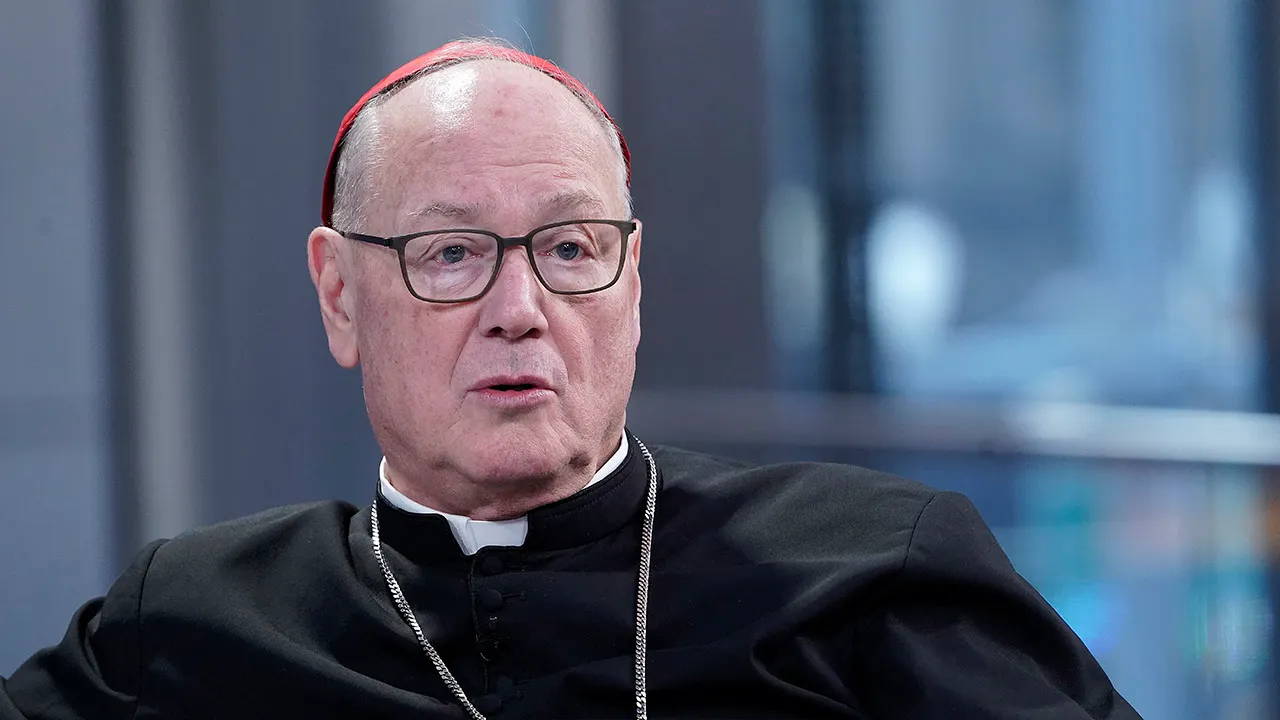
In a significant announcement that marks the end of an era for the Archdiocese of New York, the Vatican has officially accepted the resignation of Cardinal Timothy Dolan. Bishop Ronald Hicks of Joliet, Illinois, has been appointed as his successor to lead one of America’s most prominent Catholic communities. The news, which broke on Thursday, represents a major transition in leadership for New York’s 2.8 million Catholics who have come to know Cardinal Dolan’s charismatic presence and leadership since his installation in 2009.
Cardinal Dolan’s departure comes after a remarkable tenure that spanned nearly fifteen years, during which he became one of the most recognizable Catholic figures in the United States. Known for his jovial personality, media savvy, and ability to navigate both religious and secular worlds with equal dexterity, Dolan shepherded the archdiocese through challenging times while maintaining a focus on evangelization and charitable outreach. His resignation, while significant, follows the standard Catholic practice wherein bishops submit their resignations at age 75 – though the Pope sometimes allows them to continue serving beyond this milestone. For many New Yorkers, regardless of faith tradition, Dolan had become a familiar and comforting presence, often appearing at major civic events and serving as a moral voice during times of crisis.
Bishop Ronald Hicks brings his own distinct background and pastoral approach to his new role as archbishop of New York. Previously serving as the bishop of Joliet since 2020, Hicks has built a reputation for thoughtful leadership and a focus on connecting with parishioners across diverse communities. Prior to his appointment in Joliet, he served as vicar general in the Archdiocese of Chicago and gained international experience through missionary work in El Salvador. His selection suggests the Vatican’s desire for continuity in leadership style while bringing fresh perspectives to the challenges facing the church in one of America’s most diverse and dynamic urban centers.
The transition comes during a period of significant evolution for the Catholic Church in America, as it grapples with declining attendance, priest shortages, parish consolidations, and the ongoing aftermath of the sexual abuse crisis. New York, like many dioceses, has faced difficult decisions regarding church closures and reorganization while working to maintain its extensive network of schools, charities, and social service organizations. The archdiocese remains one of the most influential in the country, with its archbishop traditionally holding significant sway in Catholic affairs nationally and internationally. Bishop Hicks will inherit both these challenges and opportunities as he prepares to assume his new role.
The Archdiocese of New York has a storied history dating back to 1808 and has been led by prominent figures who often shaped not just Catholic life but broader American culture and politics. Previous archbishops like Cardinals Spellman, O’Connor, and Egan each left distinctive imprints on the church and city. Cardinal Dolan continued this tradition, becoming known for his media presence, theological orthodoxy coupled with a welcoming personality, and his role representing American Catholicism on the world stage. His leadership during events like Superstorm Sandy, the COVID-19 pandemic, and numerous civic celebrations demonstrated the continued relevance of religious leadership in contemporary urban life.
As the archdiocese prepares for this transition, many details regarding the timeline for installation ceremonies and Cardinal Dolan’s future plans remain to be announced. Such leadership changes typically involve elaborate ritual celebrations that bring together church officials from around the world while providing an opportunity for the incoming archbishop to articulate his vision. For ordinary Catholics in the pews across the archdiocese’s 288 parishes spanning Manhattan, the Bronx, Staten Island, and seven counties north of the city, the change represents an opportunity to reflect on the church’s mission in a rapidly changing society. Bishop Hicks will be tasked with both honoring the rich traditions of this historic archdiocese while guiding it through the complex religious landscape of the 21st century.