


U.S. Government Issues Urgent Evacuation Alert for Americans in Venezuela
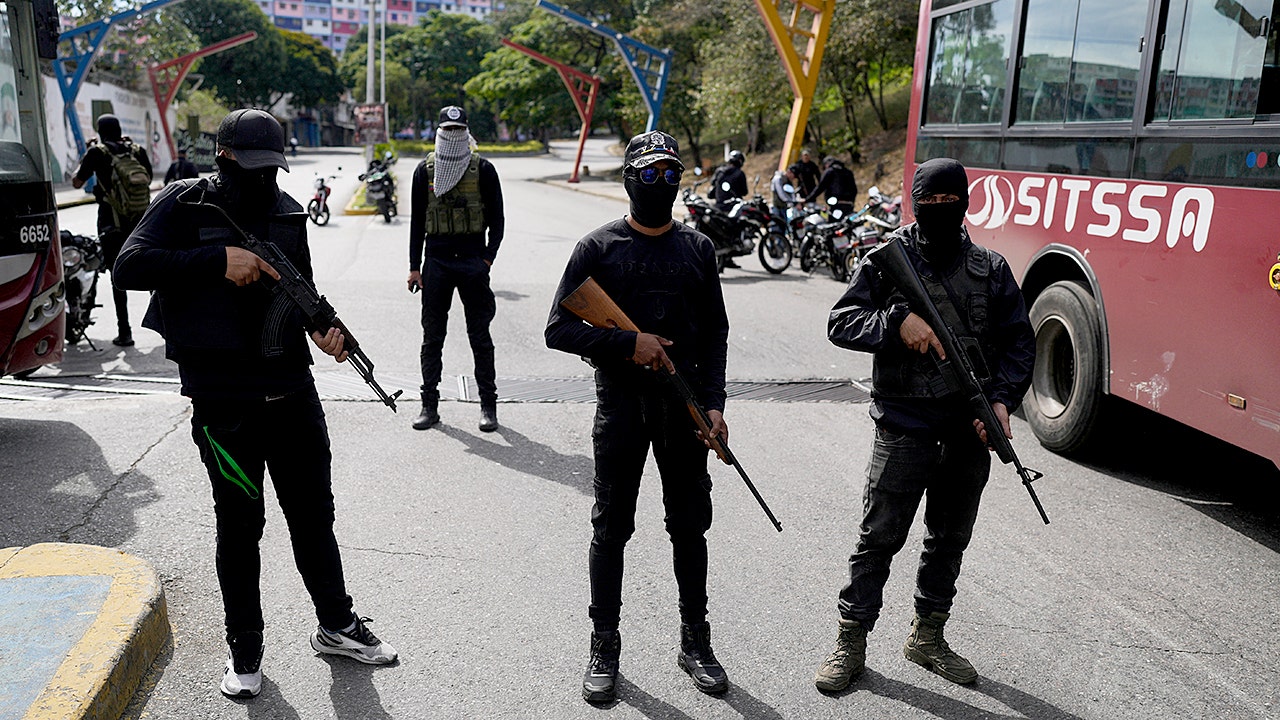
In a stark warning issued last Saturday, the U.S. government has urged all American citizens currently in Venezuela to evacuate immediately. The security alert, released through the U.S. Embassy Caracas, highlights deteriorating security conditions and explicitly warns of armed militia groups reportedly setting up roadblocks to target individuals with American citizenship or those perceived as supporting the United States. These militias, known locally as “colectivos,” have intensified their presence on Venezuelan roads, creating a dangerous environment for U.S. nationals. The timing of this advisory coincides with the resumption of international flights, providing Americans an opportunity to leave the country while commercial travel options remain available.
The State Department’s decision to maintain Venezuela at Level 4 on its travel advisory system—the highest possible warning level—underscores the extreme risks American citizens face in the country. This classification isn’t made lightly; it reflects a complex web of dangers including the possibility of wrongful detention, torture, kidnapping, and terrorism. The warning also points to arbitrary law enforcement, widespread crime, civil unrest, and a healthcare system that has largely collapsed under economic and political pressures. These compounding factors create an environment where even routine travel can expose visitors to life-threatening situations with little recourse for assistance or protection.
Perhaps most concerning for Americans still in Venezuela is the U.S. government’s explicit acknowledgment of its inability to provide emergency consular services. The suspension of operations at the U.S. Embassy Caracas in March 2019 and the withdrawal of all diplomatic personnel has created a significant protection gap. Unlike in other countries where Americans might reasonably expect embassy assistance during emergencies, those in Venezuela are effectively on their own should they encounter trouble. This diplomatic vacuum represents an unusual and particularly troubling aspect of the current crisis, as it leaves American citizens without the safety net typically provided by their government when abroad in challenging environments.
The timing of this heightened warning comes amid reports of motorcycle-riding armed militias hunting the streets for individuals perceived as Trump supporters, signaling an intensification of politically-motivated targeting. These armed groups, operating with apparent impunity, represent one of the most visible manifestations of the breakdown in rule of law that has characterized Venezuela in recent years. Their activities targeting those with perceived connections to the United States reflect the deepening anti-American sentiment being cultivated by some elements within Venezuela, creating an environment where American citizens face discrimination and potential violence based solely on their nationality.
This evacuation advisory exists against the backdrop of a broader geopolitical tension between the United States and Venezuela’s government. Recent statements from U.S. leadership regarding America being “in charge” of Venezuela have likely exacerbated these tensions and potentially increased risks for Americans remaining in the country. The political rhetoric surrounding Venezuela from both countries has created a situation where ordinary American citizens may find themselves unwittingly caught in diplomatic crossfire, with potentially serious consequences for their safety and freedom of movement. This political dimension adds another layer of complexity and danger for those considering whether to heed the evacuation warning.
For Americans who have built lives in Venezuela—whether through business interests, family connections, or other ties—this evacuation order presents a heart-wrenching dilemma. The instruction to “leave Venezuela as soon as they feel it is safe to do so” acknowledges the practical challenges of immediate departure while emphasizing the urgency of the situation. Many face difficult decisions about abandoning homes, possessions, and relationships built over years, potentially with no clear timeline for return. The psychological and financial toll of such forced displacement cannot be overstated. Yet the unambiguous nature of the warning—”Do not travel to Venezuela”—sends a clear message that the risks currently outweigh any reasons for remaining, and that Americans should prioritize their safety above all other considerations during this volatile period in Venezuela’s history.