


The Looming Catastrophe in Northern Syria
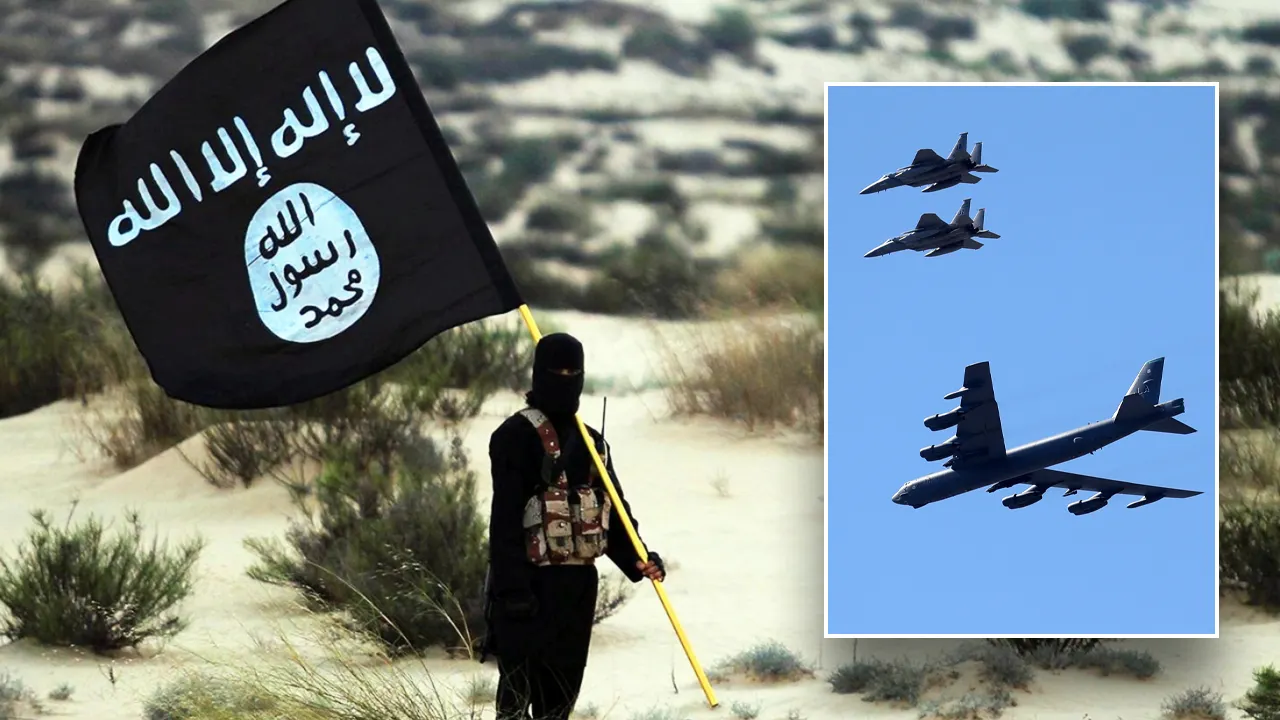
In the unforgiving deserts of northern Syria, where the air hums with the echoes of endless conflict, a nightmare scenario was unfolding that could have reshaped the Middle East overnight. Nearly 6,000 of the most hardened ISIS fighters—described by a top U.S. intelligence official as “the worst of the worst”—were locked away in makeshift prisons. These weren’t just ordinary detainees; they were battle-tested extremists, experienced in guerrilla warfare and ideological fervor, ready to reignite the flames of terror if given the chance. The guards, the Kurdish-led Syrian Democratic Forces (SDF), were stretched thin amidst escalating clashes and regional instability. A single breach in these prisons could have unleashed a flood of violence, potentially reconstituting ISIS as a fighting force capable of dominating battlefields once again. The official, speaking exclusively to Fox News Digital, painted a vivid picture: if these men escaped into the chaos, ISIS could rise phoenix-like from the ashes, plunging Syria and neighboring countries into another dark chapter of horror and bloodshed. For everyday people living in the region—from families huddled in refugee camps to communities already scarred by displacement—this wasn’t just a geopolitical risk; it was a personal terror, a shadow hanging over their hopes for peace. The stakes were global, too, as intelligence agencies feared the ripple effects could extend far beyond Syria’s borders, inspiring copycat groups and fueling unrest worldwide. In this high-stakes drama, the U.S. saw a ticking time bomb that demanded immediate action, not just military might, but cunning diplomacy and rapid execution. The official recalled the tension in the air, how warnings of instability began to simmer like a pot about to boil over, turning what seemed like a contained threat into a potential cataclysm.
But the roots of this operation stretched back months, a quiet prelude to the storm brewing in Syria. In late October, as Turkey’s military campaign against Kurdish forces intensified, Director of National Intelligence Tulsi Gabbard, through the Office of the Director of National Intelligence (ODNI), sounded the alarm about a chaotic power shift that could spell disaster for the detention system. The fear was that Syria’s fragile transition, amid ongoing battles, could erupt into disorder, giving these ISIS militants the perfect cover for escape. Sensing the urgency, the ODNI dispatched the intelligence official on a covert mission to Syria and Iraq, initiating what would become a multi-week dance of negotiations and assessments. Meetings unfolded in dimly lit rooms and secure locations, where the official engaged directly with SDF leaders and Iraqi officials. They discussed the gruesome reality: these detainees included key operatives responsible for atrocities that had shocked the world—mass executions, enslavement, and barbaric displays of power. The talks weren’t mere chin-wagging; they were lifelines, building trust and laying the groundwork for a plan to extract the most dangerous elements before the situation spiraled out of control. The official described the atmosphere as charged, with every conversation carrying the weight of history—reminiscent of 2014’s ISIS blitzkrieg through Iraq, a trauma still fresh in Iraqi memories. Diplomats and intelligence experts from various agencies huddled together, sharing intelligence briefs that painted stark warnings: delays could mean thousands of seasoned fighters infiltrating insurgencies, exploiting the fog of war to reshape the landscape of terror. It was a human effort, too, with officials grappling with the moral complexities of relocating such men, knowing each one represented untold sufferings for victims back home. Yet, the compelling drive was prevention—stopping a resurgence that could cost countless lives and destabilize hard-won gains against extremism.
As January dawned, the crisis sharpened into a razor-edged emergency. Fighting erupted in Aleppo, the ancient city’s labyrinthine streets becoming a battleground once more, spreading eastward like wildfire and squeezing the SDF’s resources. Time wasn’t just running out; it was evaporating. The intelligence official recounted the hourly tension, with ODNI overseeing daily coordination calls that pulled together a web of agencies—intelligence analysts poring over satellite images and intercepts, diplomats navigating political minefields, and military planners charting pathways for action. At the helm of policy, Secretary of State Marco Rubio took charge of the day-to-day maneuvers, ensuring that bureaucratic hurdles didn’t derail the mission. Meanwhile, the ODNI shepherded a working group that included CENTCOM, the U.S. military’s command for the region, aligning everyone on the singular goal: safeguarding these detainees from the chaos. The official emphasized the collaborative spirit, where egos were set aside for the greater good, fostering a rare unity amidst Washington’s often fractious landscape. Conversations buzzed with urgency—what routes were viable? How to avoid alerting adversaries or triggering unintended escalations? It was a ballet of foresight and quick thinking, where every decision carried the pulse of real people on the ground. For the intelligence official, this phase humanized the operation; it wasn’t just about maps and data but about averting a humanitarian disaster that could echo through generations, transforming Syria’s uncertain future into a beacon of stability or a vortex of renewed violence.
Iraq emerged as a crucial ally in this clandestine endeavor, its leaders acutely aware that a mass breakout would be a dagger in their back, resurrecting the horrors of 2014 when ISIS swept across the border and seized vast territories. Baghdad’s motivations were personal and visceral—memories of beheadings, displaced millions, and economic ruin still lingered like a national scar. The official described blunt exchanges where Iraqi officials laid bare their fears: another influx of these militants could turn back the clock, forcing Iraq into a defensive war that drained its already strained resources. To smooth the diplomatic runway, the U.S. Embassy in Baghdad played a pivotal role, its diplomats working tirelessly in the blistering heat of coalition talks, bridging gaps over endless cups of chai and late-night huddles. This wasn’t impersonal brokerage; it was relationship-building amid shared anxieties. Iraqi negotiators insisted on clarifications, ensuring their sovereignty was respected while welcoming the detainees as a necessary burden to prevent spillover. The embassy’s team became intermediaries, relaying assurances that traced back to White House commitments, fostering a partnership forged in the fires of past adversities. For those involved, it highlighted the human side of geopolitics—the faces behind the headlines, Iraqi families whose lives depended on this cooperation, and American officials grappling with the ethical tug-of-war of relocating terrorists to a neighboring country. In the official’s telling, Iraq’s willingness was a testament to resilience, a nation rising above old grievances to confront a mutual threat, turning potential foes into partners in a high-stakes game of containment.
Then came the audacious execution—the physical lift that turned plans into reality on the ground. The official credited CENTCOM’s swift allocation of resources, a surge that mobilized helicopters thundering through the Syrian night sky, ferrying detainees in a compressed timeframe that defied logistical odds. “Moving in helicopters” became the mantra, with crews enduring gritty missions to transport nearly 6,000 individuals across borders, under the veil of secrecy to avoid tipping off hostile elements. The operation unfolded like a gripping thriller: armed escorts, intelligence-guided routes, and split-second decisions amid unpredictable weather and ground threats. Completing it in just weeks showcased not just hardware, but the grit of soldiers and support staff who risked their lives for an unseen victory. The detainees, hardened by years of ideology and combat, were no pushovers—some resisted with verbal tirades or attempts at disruption, forcing teams to adapt on the fly. Yet, the scale of success spoke volumes: these men were now securely held in an Iraqi facility near Baghdad International Airport, under Iraqi authority, far from the fray. The official reflected on the human cost—the exhaustion of those who made it happen, the families back home following updates with bated breath, and the detainees themselves, now in a limbo that stripped them of their battlefield power. It was a triumph of coordination over chaos, a rare moment where international efforts aligned to avert catastrophe, giving Syria’s turbulent narrative a flicker of hope and demonstrating the raw determination needed to tackle global threats head-on.
In the aftermath, the focus shifted to accountability and prevention, ensuring that this hard-won victory wasn’t fleeting. FBI teams arrived in Iraq to begin biometric enrollment, meticulously cataloging fingerprints, DNA, and images to build unassailable records against each detainee—a process blending cutting-edge tech with the painstaking work of forensic experts who understood the stories etched into every face. The official highlighted the next phase: collaborating with Iraqi counterparts to declassify intelligence, unlocking evidence for prosecutions that could bring justice to victims worldwide, from enslaved Yazidis to bombed-out civilians. Simultaneously, the State Department ramped up outreach, urging countries of origin—Jordan, Tunisia, Saudi Arabia, and others—to claim their citizens, repatriating fighters who had traveled to Syria’s killing fields in search of a twisted utopia. This diplomatic nudge aimed to prevent a permanent resettlement, compelling nations to confront their homegrown extremists rather than let the U.S. shoulder the burden alone. However, shadows lingered; the families—women and children in camps like al-Hol—remained unresolved, not part of the transfer. Alarming reports emerged of Syrian government actions to empty the camp, potentially releasing thousands into an unprepared region, raising red flags about radicalization and future threats. The official voiced deep concern, noting how these children, raised amid ISIS teachings, could mature into new generations of danger, a humanitarian crisis exacerbating security woes. Tracking this evolution closely, intelligence agencies monitored social media and human intelligence, wary of hidden resurgence. Amidst these challenges, the official deemed the operation a “rare good news story,” a beacon of American efficacy in a fractured world, where swift action preserved fragile stability and offered a glimpse of progress in Syria’s long saga of suffering. For everyday readers, it underscored the tireless work behind the scenes, where dedicated professionals humanize the fight against terror, balancing danger with duty in the pursuit of a safer tomorrow.