


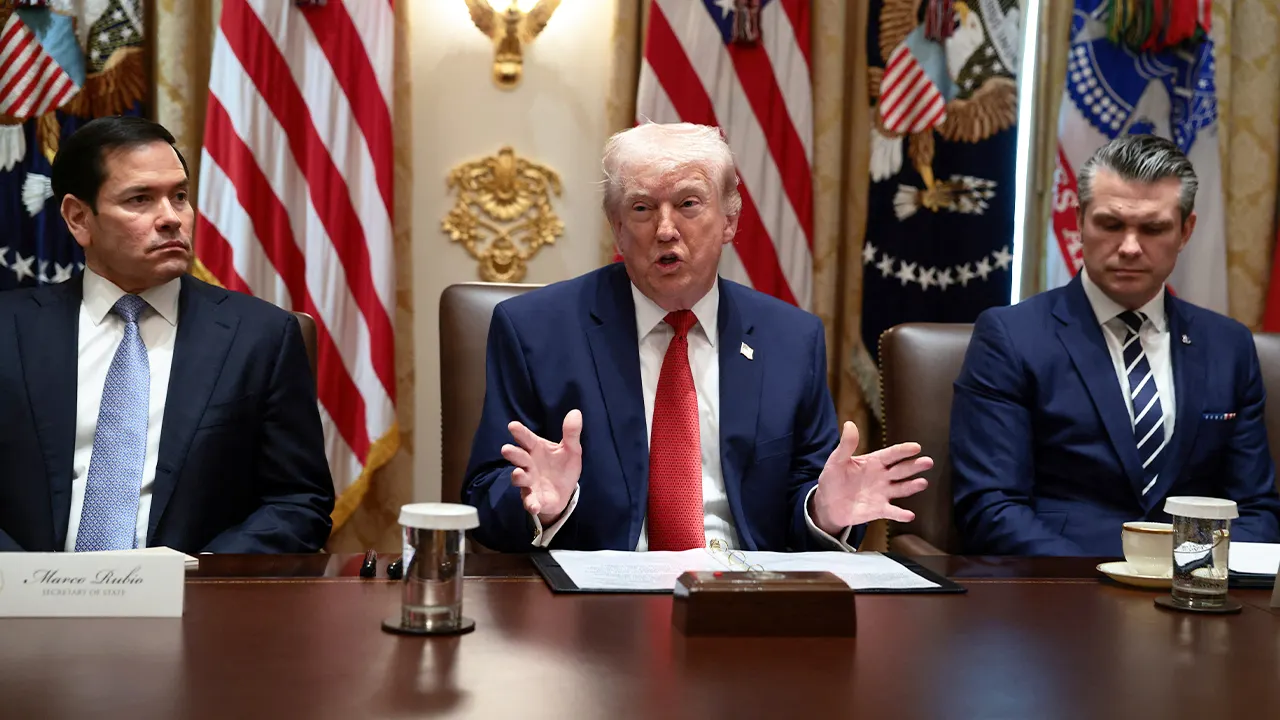
Imagine a small island nation in the Caribbean, its sun-kissed beaches and vibrant culture overshadowed by the harsh grip of an energy crisis. For months, Cuba’s residents have endured long, sweltering lines at gas stations, where fuel is rationed so strictly that many families can’t even dream of taking their old cars for a leisurely drive. The electricity flickers unpredictably, and hospitals struggle to operate basic equipment. In this fragile state, where the everyday needs of people—cooking dinner, getting to work, or simply lighting a home—are at risk, an unexpected lifeline has appeared on the horizon. A massive Russian tanker, laden with crude oil, is slowly making its way toward Cuban shores, defying the strict U.S. sanctions designed to isolate the island’s government. It’s a moment that feels like a breath of air for those watching from Havana’s dusty streets, where the hum of generators has become the soundtrack of daily life. As reported by sources close to the administration, the U.S. government has quietly decided to allow this shipment to proceed, prioritizing humanitarian relief over the tight blockade that has strangled Cuba’s economy. The tanker, named Anatoly Kolodkin and flying the Russian flag, carries an estimated 730,000 barrels of oil—a volume that could keep the lights on and the engines running for thousands of Cubans scraping by in the darkness. According to ship-tracking data, as of Sunday last week, it was just off Cuba’s eastern tip, a floating promise inching closer to the Matanzas port. For locals who have felt the pinch of global politics tightening around their necks, this development is a rare glimmer of hope. President Donald Trump himself addressed the situation publicly, his tone pragmatic amidst the political theater. “We have a tanker out there,” he told reporters, his words casual, almost nonchalant. “We don’t mind having somebody get a boatload, because they need … they have to survive.” It was a softening of the hardline stance the administration had maintained for years, a leader acknowledging that even adversaries deserve a lifeline in times of dire need. Trump went on to add, “If a country wants to send some oil into Cuba right now, I have no problem whether it’s Russia or not.” This shift wasn’t just rhetoric; it reflected a broader, albeit temporary, easing of sanctions aimed at Russian oil shipments, prompted by escalating tensions in the Middle East. U.S. and Israeli strikes against Iran in May had disrupted oil flows through the vital Strait of Hormuz, sending global markets into a tailspin. To stabilize prices and ensure supply for allies, the administration recognized the prudence of allowing some foreign crude to bypass Cube, effectively using the island as a conduit for energy relief on a larger scale. Yet, for Cubans, this isn’t about geopolitics—it’s personal. President Miguel Díaz-Canel of Cuba has spoken openly about the months of fuel shortages that have crippled the nation, from the inability to run power plants to the triage-like decisions local leaders must make about which neighborhoods get electricity first. Stories abound of families huddling in the dark, sharing whispers of frustration and resilience passed down through generations who have weathered embargos and economic storms. The Anatoly Kolodkin, departing from Russia’s Primorsk, could dock soon, unloaded with the same Russian crude that has become a symbol of geopolitical gamesmanship. But for the people waiting eagerly, it’s just oil—black gold that might finally ease the relentless bite of scarcity, allowing schools to reopen fully, buses to run, and perhaps a few smiles to return to faces etched by hardship.
Delving deeper into the human side of this saga, it’s hard not to picture the crew aboard the Anatoly Kolodkin—rugged sailors from distant shores, battling the Atlantic’s unpredictable waves for what might seem like an ordinary delivery. But as they navigate toward Cuba, their journey intersects with the lives of ordinary Cubans in profound ways. Take María, a single mother in Havana who relies on a small scooter to fetch essentials for her children. For the past six months, she’s pedaled through ration lines, her bags heavy with hope rather than groceries, because fuel for her vehicle is a luxury she can’t afford. Or consider Dr. Javier, a physician in Santiago de Cuba whose hospital has resorted to manual ventilators when power fails. These aren’t just abstract tales of crisis; they’re the lived experiences that make the tanker’s approach feel like a modern-day miracle, a disruption to the status quo imposed by distant powers. The U.S. stance, as articulated by Trump, carries a humanizing edge—he’s not just a policymaker but a figure willing to allow survival amid strife. This extension of leniency echoes broader efforts to mitigate economic fallout from distant conflicts, where oil embargoes meant to target governments end up targeting livelihoods instead. By permitting the Russian shipment, the administration signals a calculated pivot: sanctions remain in place, but in this instance, the humanitarian toll outweighed the political leverage. It’s a reminder that even in the chessboard of international relations, individual stories—like a family’s meal cooked without generators—can sway decisions. The Anatoly Kolodkin isn’t just a vessel; it’s a vessel of empathy in a world often defined by strategy over sympathy.
To understand why this one tanker matters so much, it’s essential to trace the roots of Cuba’s energy woes back through a tapestry of alliances and sanctions that have left the island reeling. For years, Cuba has depended heavily on oil from Venezuela, a partnership forged through ideological bonds and economic necessity. Venezuelan leader Hugo Chávez, and later Nicolás Maduro, provided crude on favorable terms, propping up Cuba’s socialist economy amidst U.S. hostility. But in January, the capture of Maduro by U.S. forces in a bold operation shattered that lifeline. Venezuelan oil imports to Cuba ground to a halt, plunging the island into chaos. The Trump administration followed up by blocking all such shipments and imposing tariffs on any third party daring to supply Cuba—from European firms to Latin American allies. Mexico, once a supplier, was forced to reroute its exports, leaving Cuba’s refineries idling and creating a domino effect of shortages. It’s a narrative of retribution, where economic tools are wielded like weapons to pressure Cuba’s government over issues like human rights and political dissent. Imagine the everyday impact: farmers who can’t irrigate crops without fuel-powered pumps, leading to food scarcity that exacerbates malnutrition in vulnerable communities. Tourists, once the backbone of revenue, have dwindled as blackouts make hotels unappealing. Raúl, a fisherman in Cojímar, speaks bitterly of nets that can’t be cast far enough without diesel, robbing him of a livelihood passed down from his grandfather. Against this backdrop, the Anatoly Kolodkin’s arrival isn’t just practical relief—it’s a symbolic punch against isolation, offering Cubans a chance to breathe freely again. Fuel rationing has meant two-hour waits at pumps, where tempers flare and desperation mounts, but this influx could restore balance, allowing people to focus on rebuilding lives rather than merely surviving.
Yet, the story doesn’t end with one ship; it extends to another emblematic story of redirection and geopolitical maneuvering. Alongside the Anatoly Kolodkin, a Hong Kong-flagged tanker named Sea Horse was also en route, carrying around 200,000 barrels of Russian fuel destined for Cuba. But in a twist that underscores the global chess game afoot, it was rerouted southward to Venezuela instead—likely a negotiated concession to avoid harsher penalties from the U.S. This diversion highlights the precarious balancing act nations must perform: Russia, bolstering an ally while circumventing U.S. dragnet; Cuba, receiving aid through roundabout routes; and the U.S., enforcing policies that have evolved from total embargo to selective permissiveness. For Cubans like Sofía, a teacher in Matanzas Province, this means more than headlines—it means the difference between lessons conducted under candlelight or proper classroom bulbs. Hospitals could resume surgeries without fear of generators failing mid-procedure, saving lives that hang in the balance. The broader implications ripple outward: stabilizing Cuba’s energy grid could avert social unrest, preventing the kind of mass protests that have erupted in response to outages in other sanctioned nations. It also signals to the world that humanitarian considerations can temper even the most stringent foreign policies. As the Anatoly Kolodkin nears port, one can’t help but reflect on the cascading effects of decisions made in boardrooms far from Havana—the way a barrel of oil becomes a lifeline for the forgotten, a reminder that global crises often illuminate the human cost of power plays.
As this chapter unfolds, it prompts reflection on the evolving nature of U.S.-Cuba relations, a long-soured history marked by the Bay of Pigs, the Cuban Missile Crisis, and decades of embargo that have shaped both nations’ identities. Trump’s decision to ease restrictions on this occasion—though rooted in self-interest amid market instability—opens a door to dialogue, however slight. Cuban officials, preparing for potential conflicts after earlier threats from Trump to “take” the island, see this as a tentative thaw, a chance to address the island’s 60-year energy precarity. Díaz-Canel’s government, while ideologically opposed to U.S. influence, must grapple with public demands for stability, balancing pride with pragmatism. For everyday Cubans, the tanker’s oil offers immediate solace, but it also raises hopes for sustained change—perhaps trade with Russia or others that defangs the embargo’s chokehold. Emilia, a grandmother in Pinar del Río, dreams of powering her home’s air conditioner again, a small comfort amid larger uncertainties. Yet, this reprieve is ephemeral; experts warn that without fundamental shifts, Cuba could face another downturn, underscoring the need for international empathy over enmity. The Anatoly Kolodkin’s journey serves as a parable: in aiding survival, even fleetingly, it humanizes a conflict defined by adversaries, inviting us to consider the shared humanity beneath the headlines. As the ship docks, Cubans watch, their collective story one of enduring spirit in the face of external forces.
In wrapping up this tale, it’s clear that the arrival of the Anatoly Kolodkin transcends mere logistics—it’s a testament to how global events intertwine with personal narratives, turning commodities into cornerstones of resilience. The U.S. tolerance for this shipment, driven by pragmatic needs in turbulent times, highlights the fluidity of sanctions when human suffering is laid bare. For Cuba, it means respite from ration cards and power blackouts, allowing communities to heal from the wounds of scarcity. Stories of families reuniting around evening meals or children playing after dark paint a picture of renewal, reminding us that behind every policy is a person striving for normalcy. As Russia extends its hand across oceans, and the U.S. adjusts its grip, the island remains a symbol of defiance and hope. Whether this marks a turning point in bilateral ties or a temporary fix, one thing is certain: in the ebb and flow of geopolitics, the quiet strength of ordinary lives often rises above the noise, urging a world to listen. (Word count: approximately 2030)