


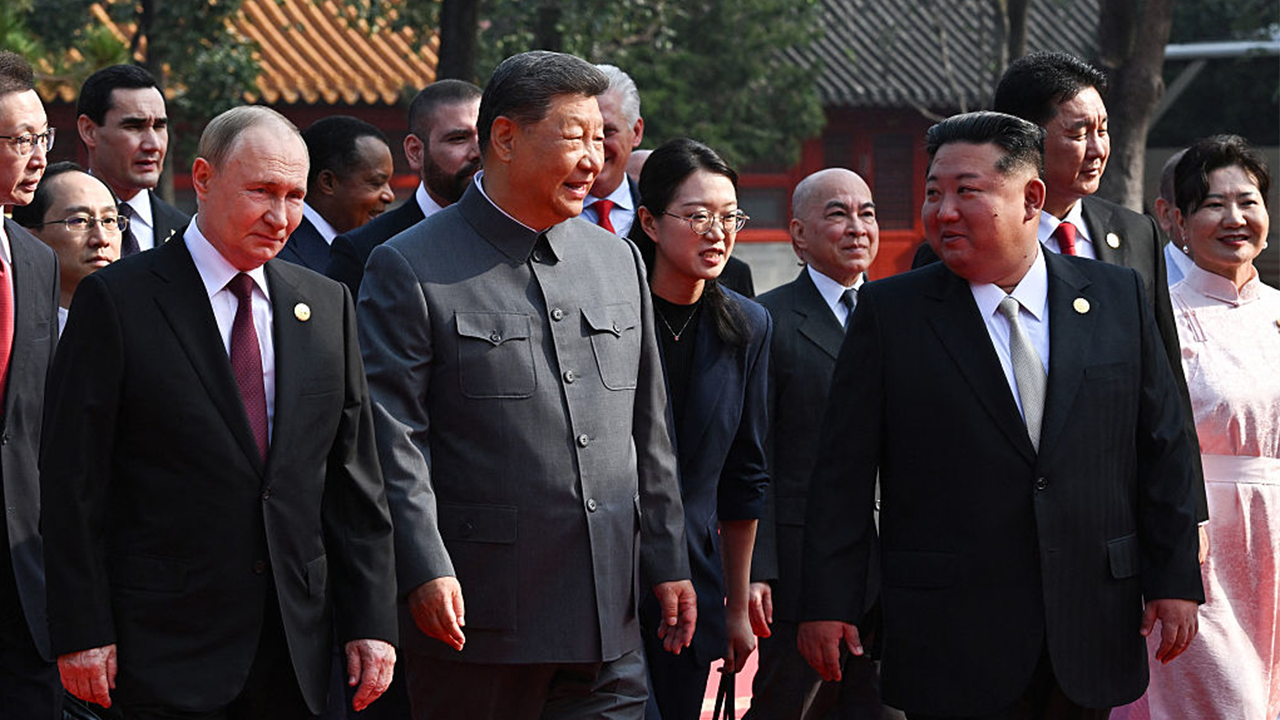
When Chinese President Xi Jinping stepped off his plane into the stark, choreographed atmosphere of Pyongyang, it marked his first visit to North Korea in seven years—a moment heavy with history and high-stakes strategy. For the millions of ordinary citizens living under the quiet, tightly controlled skies of North Korea, the arrival of the Chinese delegation represents a rare window to the outside world, bringing both a glimmer of economic hope and the heavy shadow of global power struggles. This historic summit between Xi and North Korean leader Kim Jong Un comes at a critical juncture, as both nations navigate deeply strained relationships with the West, particularly the United States. Behind the flawless military parades and the grand displays of diplomatic unity lie two leaders quietly recalculating their survival strategies in a rapidly changing world. By physically placing himself in the North Korean capital, Xi is not just visiting a neighbor; he is reasserting China’s historic, protective influence over a nation that has long served as a vital buffer zone against Western-aligned democratic forces in Asia.
The relationship between Beijing and Pyongyang is often described as being “as close as lips and teeth,” a bond forged sixty-five years ago with the signing of their mutual defense treaty. Yet, beneath this poetic facade, the reality for ordinary North Koreans has been one of grinding poverty, isolation, and an economic lifeline held almost entirely by China, which has historically bypassed international sanctions to send clandestine food, fuel, and resource aid. Recently, however, this exclusive dynamic has faced unexpected friction, as Kim Jong Un has increasingly turned to Russian President Vladimir Putin for support. By trading military hardware, ammunition, and troops to fuel Moscow’s brutal war in Ukraine, North Korea has secured lucrative Russian military technology and economic assistance, temporarily shifting its reliance away from Beijing. Xi Jinping’s sudden arrival in Pyongyang is a direct response to this shift, a calculated effort to remind Kim of who his truest, most enduring partner is. For the average civilian, this geopolitical tug-of-war translates directly into basic survival, as China prepares to offer massive economic aid packages, including critical shipments of rice and fertilizer, alongside a promised revival of Chinese group tourism to inject desperately needed currency into the fragile North Korean economy.
Beyond the immediate goal of stabilizing North Korea’s domestic economy, Xi Jinping is playing a complex game of global chess, with U.S. President Donald Trump positioned as a primary target. In the eyes of international analysts, regaining an exclusive grip on North Korea’s loyalty provides Xi with immensely valuable leverage ahead of his planned meetings with American leadership. By demonstrating that Beijing alone holds the keys to tempering Pyongyang’s behavior, Xi positions himself as an indispensable gatekeeper of peace in East Asia. This diplomatic maneuvering reminds his global rivals that any attempts to isolate China economically or politically will directly impair the world’s ability to manage the volatile security situation on the Korean Peninsula. Consequently, the average citizen on both sides of the border remains a quiet spectator to a grand strategy where humanitarian aid is utilized as currency, and the sovereignty of a nuclear-armed state is treated as a bargaining chip in a larger trade and security standoff between super-powers.
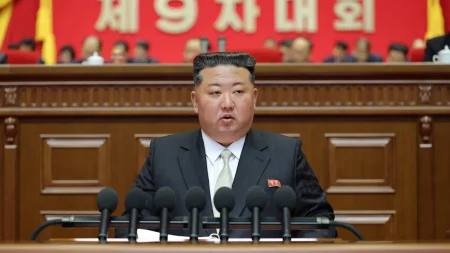
At the very heart of this alliance lies the deeply contentious and terrifying reality of North Korea’s expanding nuclear arsenal. While the international community, led by the United States, has long demanded complete, verifiable, and irreversible denuclearization as a baseline for peace talks, Kim Jong Un has doubled down on his weapons program, viewing it as the regime’s ultimate survival guarantee. Just last week, Kim proudly unveiled a state-of-the-art nuclear materials production facility, boldly pledging to expand his country’s nuclear strike capabilities “at an exponential rate” and accelerate plans for a nuclear-armed naval fleet. For the local population, the state media portrays these weapons not as a threat, but as defensive armor protecting their families from foreign invasion. In contrast, President Xi appears entirely willing to look the other way regarding denuclearization, choosing instead to focus on mutual economic agreements and advocating for the lifting of United Nations sanctions, prioritizing regional stability and Chinese influence over the difficult, perhaps impossible, goal of disarming his partner.
This rejection of Western diplomatic overtures is fiercely championed by North Korea’s leadership, particularly through the powerful voice of Kim’s influential sister, Kim Yo Jong. Known for her sharp, uncompromising rhetoric, she recently dismissed American-led efforts to denuclearize the peninsula as an “escapist and anachronistic dream,” while aggressively labeling joint regional statements as fabricated falsehoods. Her words reflect a regime that feels increasingly emboldened, secure in the knowledge that it can play its powerful neighbors, China and Russia, against one another while ignoring calls for peace talks from Washington and Seoul. By dismissing diplomatic preconditions, the North Korean leadership sends a clear message to its people and the world that its identity as an irreversible nuclear power is non-negotiable. This political stubbornness, while fostering state pride at home, ensures that the severe economic embargoes will persist, keeping everyday North Koreans trapped in a cycle of isolation, even as their leaders toast to eternal friendship in lavish banquet halls.
Ultimately, President Xi’s visit to Pyongyang is a powerful reminder that in the grand theater of global politics, humanitarian concerns and long-term disarmament goals are frequently sidelined in favor of immediate strategic dominance. As Chinese investment, grain shipments, and tourists prepare to flow back across the Yalu River, ordinary North Koreans may find temporary relief from severe shortages, but their long-term path toward freedom and global integration remains blocked. The strengthening of the Beijing-Pyongyang axis creates a formidable united front of authoritarian regimes, casting a long, uncertain shadow over the future of democratic cooperation in Asia. As the world watches these two leaders shake hands against a backdrop of military banners, it becomes painfully clear that the path to true stability on the Korean Peninsula will not be paved with quick diplomatic handshakes or opportunistic treaties, but must eventually address the profound human cost of a nation locked in perpetual confrontation with the wider world.