

UNRWA Officials Urge Congressional Support Amid Terrorism Designation Concerns
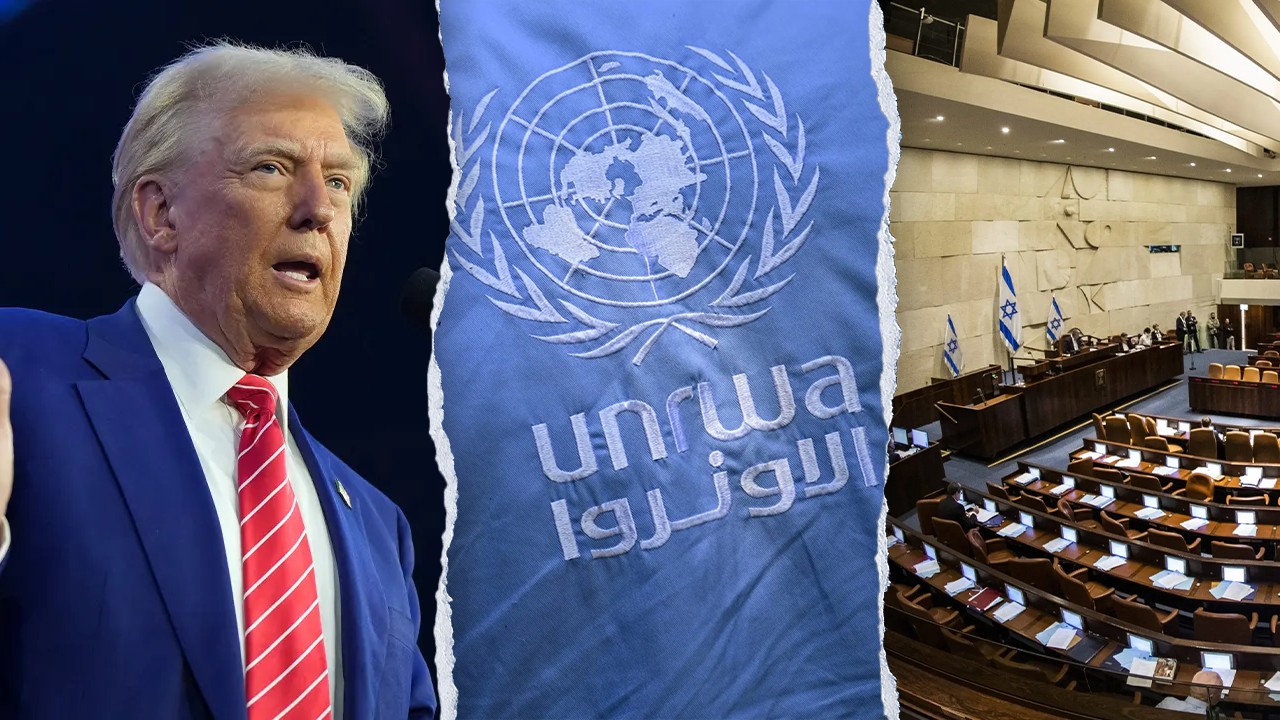
In a recent virtual briefing organized by UNRWA USA, United Nations Relief and Works Agency officials made an impassioned plea to congressional staffers to oppose any potential designation of the agency as a foreign terrorist organization by the incoming Trump administration. The December 17 meeting revealed the agency’s ongoing concerns about its future operations and funding while highlighting its continued humanitarian presence in Gaza and the West Bank despite significant challenges. UNRWA USA Executive Director Mara Kronenfeld opened the session by condemning what she described as “insidious efforts” by the Netanyahu government to prevent UNRWA from continuing its humanitarian mission. This briefing offers a window into the complex political dynamics facing the agency as it navigates both operational challenges and existential threats to its status.
Bill Deere, UNRWA’s Washington director, confirmed that “press reports appear to be true” regarding the potential terrorism designation, calling such a move “unprecedented” and “unwarranted” for a UN agency. He urged congressional offices to “loudly express your displeasure” and warned about broader ramifications for the entire UN system if such a designation were to proceed. Deere suggested that while their recourse would be limited, “Congress can override the designation.” This frank discussion revealed UNRWA’s strategy of mobilizing congressional allies to protect its status and funding, particularly as the organization faces intensified scrutiny over allegations concerning its workforce – allegations that Deere countered by citing “four separate independent investigations” that dispute Israel’s claims. The political mobilization reflects UNRWA’s understanding that its very existence may depend on maintaining support within the U.S. political system.
Despite reporting significant operational challenges, UNRWA field leaders painted a picture of an organization that continues to function even under severe constraints. Sam Rose, director of UNRWA affairs in Gaza, emphasized that the agency’s services “haven’t stopped for a single day,” highlighting ongoing primary healthcare, education, water and sanitation work, and shelter operations. Notably, Rose revealed that “cash assistance and job creation programs are also able to continue” and that the agency can “operate at scale” even with limitations on physical presence and supply deliveries. His West Bank counterpart, Roland Friedrich, described UNRWA’s extensive operations in that territory, including education, healthcare, and various assistance programs that “can be cash assistance” alongside food vouchers and social protection payments. Their presentations sought to counter narratives that the agency has been rendered ineffective by recent restrictions.
The briefing also revealed important details about how UNRWA maintains operations despite Israeli restrictions. Rose explained that the agency can still receive fuel through coordination involving third parties and indirect engagement through UN channels. He acknowledged that Israel was reporting aid truck numbers reaching 600 per day, a figure he did not dispute, while noting that the composition of deliveries had shifted toward commercial supplies with certain humanitarian items remaining restricted for UN agencies. Rose described what he called a “two-tier system” where some items blocked from UN use could enter through private channels. These workarounds demonstrate UNRWA’s adaptability in a challenging operational environment, though the officials’ descriptions suggested significant constraints on the agency’s ideal functioning.
Beyond operational updates, the briefing included explicit advocacy directed at congressional offices. Kronenfeld urged participants to support legislation described as the “UNRWA Funding Emergency Restoration Act of 2025” and expressed gratitude to offices already backing efforts to restore U.S. funding, which had historically made the United States UNRWA’s largest donor before the 2024 funding halt. This direct appeal for political support underscores UNRWA’s dependence on U.S. funding and political backing at a time when both are increasingly uncertain. The agency appears to be pursuing a dual strategy of maintaining operations on the ground while simultaneously fighting for its political survival in Washington.
When approached for comment after the meeting, William Deere provided a statement emphasizing UNRWA’s active presence in Gaza and the West Bank, contrary to what he called “Israel’s ongoing disinformation campaign.” He highlighted that UNRWA medical personnel deliver 40 percent of primary healthcare in Gaza and play critical roles in water distribution, public health, education, and waste management. Deere also noted UNRWA’s “back to learning” program now reaching almost 70,000 children with in-person learning activities. He acknowledged the challenging working environment in both Gaza and the West Bank, particularly given various laws approved by the Israeli Knesset. His response sought to reframe the narrative around UNRWA as an essential service provider rather than focusing on the political controversies surrounding the agency, while also thanking “President Trump for negotiating the ceasefire, which allows the world to turn to Gaza’s future” – perhaps a strategic gesture toward the incoming administration.