

Trump and Zelenskyy: Democracy, War, and Political Tensions
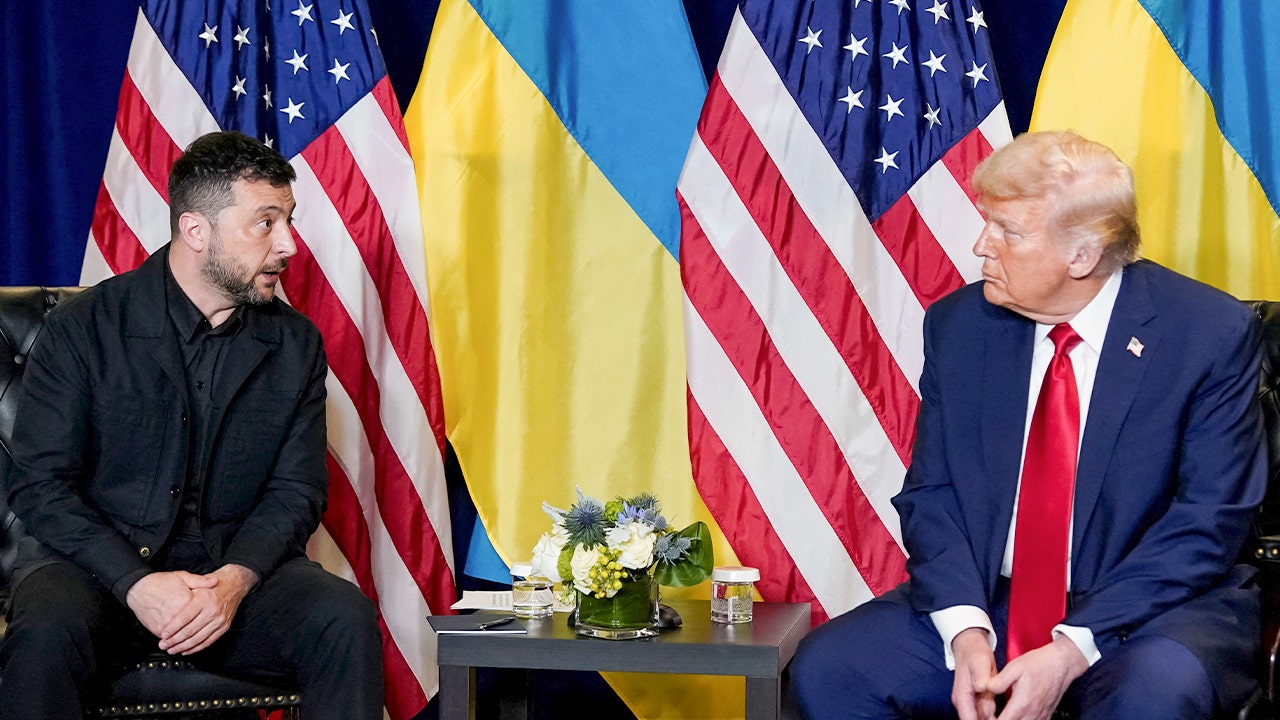
In recent comments to Politico, President Donald Trump appeared to criticize Ukrainian President Volodymyr Zelenskyy by calling attention to Ukraine’s lack of elections during the ongoing war with Russia. “They haven’t had an election in a long time,” Trump remarked. “They talk about a democracy, but it gets to a point where it’s not a democracy anymore.” This statement reflects a recurring theme in Trump’s commentary on Ukraine’s leadership, echoing his February social media post where he controversially referred to Zelenskyy as a “dictator without elections.” These remarks come at a sensitive time as Washington attempts to broker a peace deal to end the devastating conflict that has ravaged Ukraine since Russia’s invasion.
The tension between Trump and Zelenskyy has been building for months, culminating in what was described as an “infamous clash” during Zelenskyy’s visit to the White House. During this meeting, the Ukrainian leader reportedly attempted to frame the war as a potential threat to American security—a perspective that both Trump and Vice President JD Vance firmly rejected. This fundamental disagreement highlights the evolving U.S.-Ukraine relationship under the Trump administration, which has taken a markedly different approach to the conflict than its predecessor. Trump’s administration has consistently emphasized the need for a negotiated settlement rather than the open-ended military support championed by the previous administration, creating uncertainty about America’s long-term commitment to Ukraine’s defense.
Despite these tensions, Zelenskyy recently announced progress on a potential peace proposal after consultations with European leaders. “We are working very actively on all components of potential steps toward ending the war,” Zelenskyy stated on social media platform X. “The Ukrainian and European components are now more developed, and we are ready to present them to our partners in the U.S.” He expressed hope for swift collaboration with American counterparts to make these steps “as doable as possible,” while also emphasizing that genuine peace ultimately depends on Russia’s willingness to “take effective steps to stop the bloodshed.” This statement reflects the complex diplomatic dance Ukraine must perform—maintaining solidarity with Western allies while navigating the practical realities of ending the conflict with its much larger neighbor.
Adding to Zelenskyy’s challenges, his administration is weathering significant internal political turbulence. Andriy Yermak, who served as the head of the president’s office and was considered one of Zelenskyy’s closest advisors, resigned last month following a raid on his home by anti-corruption investigators. This development has raised questions about governance issues within Ukraine at a critical juncture in the war. Upon Yermak’s resignation, Zelenskyy publicly thanked him for “always presenting the Ukrainian position in the negotiation track exactly as it should be,” suggesting the two maintained a united front despite the circumstances of the departure. The timing of this political upheaval complicates Ukraine’s efforts to present a strong, unified position in peace negotiations.
The debate over Ukrainian elections touches on fundamental questions about democracy during wartime. Ukraine’s prohibition on elections during martial law is not unusual in historical context—many democracies have postponed elections during existential threats. However, as the conflict stretches into its third year with no clear end in sight, questions about democratic legitimacy and leadership renewal have become more pressing. Zelenskyy, who was democratically elected in 2019 with a substantial mandate, has seen his term extended due to the extraordinary circumstances of the war. While some international observers recognize the practical necessity of this extension, critics like Trump have used it to question Ukraine’s democratic credentials, creating a potential vulnerability in Ukraine’s appeal for continued Western support.
The ongoing negotiations for peace reveal the complex web of interests at play in the Russia-Ukraine conflict. Trump’s administration appears eager to resolve the situation quickly, potentially as part of a broader realignment of U.S. foreign policy priorities. Meanwhile, Ukraine finds itself in the challenging position of needing to secure terms that protect its sovereignty and territorial integrity while acknowledging the military realities on the ground. European leaders, who have invested heavily in Ukraine’s defense, are seeking assurances that any peace deal will provide lasting stability for the continent. And Russia, despite facing significant military and economic challenges, continues to hold considerable leverage as the occupying power in substantial portions of Ukrainian territory. As these dynamics play out, the personal relationship between Trump and Zelenskyy—marked by public criticism and fundamental disagreements about the nature of the conflict—may prove consequential for the future of Ukraine and broader European security.