

U.S. Designates Three Muslim Brotherhood Branches as Terrorist Organizations
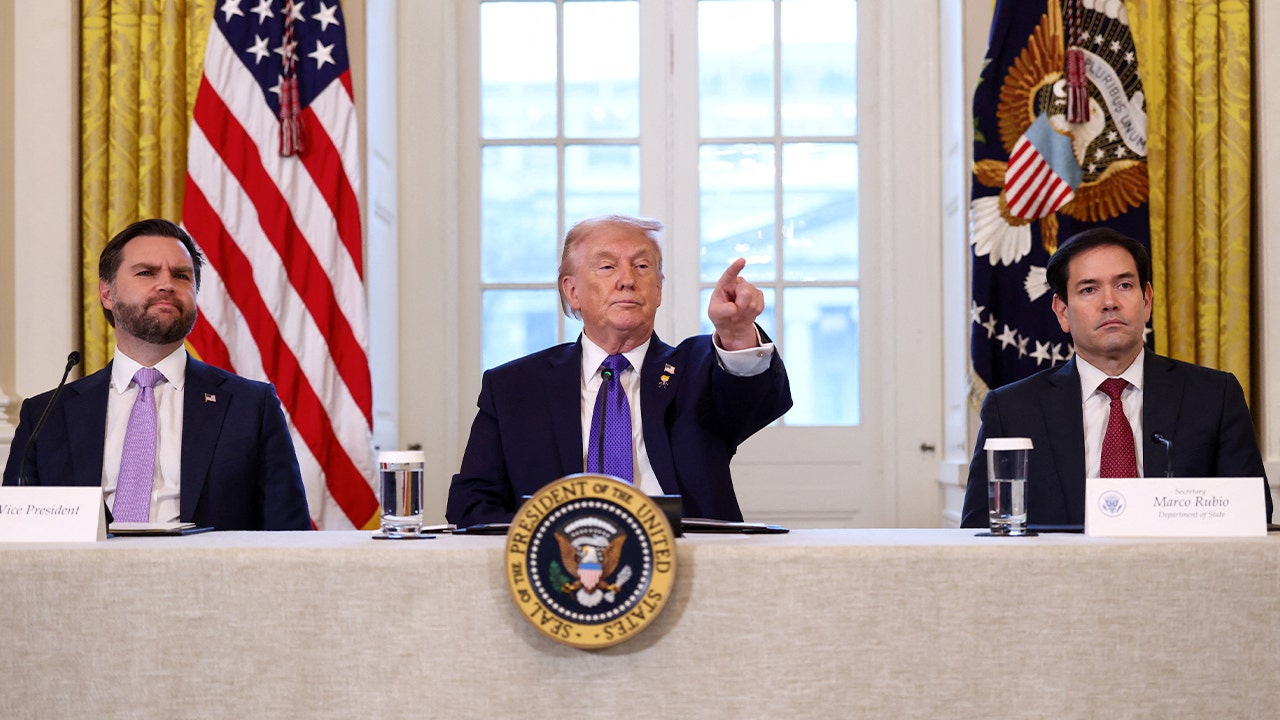
In a significant policy move that could reshape America’s relationships with key Middle Eastern allies, the United States has officially designated three branches of the Muslim Brotherhood as terrorist entities. The Treasury and State Departments jointly announced that the Lebanese, Jordanian, and Egyptian chapters of the organization now face severe restrictions under U.S. law. The Lebanese branch received the most stringent classification as a foreign terrorist organization, making it illegal for Americans to provide any material support to the group. Meanwhile, the Jordanian and Egyptian branches were labeled as specially designated global terrorists due to their alleged support for Hamas. Secretary of State Marco Rubio framed these designations as just the beginning of “an ongoing, sustained effort to thwart Muslim Brotherhood chapters’ violence and destabilization wherever it occurs.”
The timing of this decision is particularly noteworthy regarding Jordan, which has had a complex relationship with the Muslim Brotherhood. In recent months, Amman implemented a sweeping ban on the organization, though it had previously maintained a delicate balance – officially banning the Brotherhood a decade ago while simultaneously licensing a splinter group and tolerating the Islamic Action Front with certain restrictions. This political party, linked to the Muslim Brotherhood, even secured several seats in Jordan’s 2024 parliamentary elections. The U.S. designation now places additional international pressure on Jordan’s approach to the organization and potentially complicates the country’s domestic politics at a time of regional instability.
President Donald Trump’s recent executive order laid the groundwork for these designations, specifically calling for “certain chapters or other subdivisions of the Muslim Brotherhood” to be considered for terrorist classifications. The order outlined specific justifications, claiming that these branches “engage in or facilitate and support violence and destabilization campaigns that harm their own regions, United States citizens, and United States interests.” It specifically referenced activities following the October 7, 2023 attacks on Israel, alleging that the Lebanese chapter’s military wing joined Hamas and other groups in launching rocket attacks against Israeli targets. Similarly, the order accused the Egyptian branch of calling for violent attacks against U.S. partners and interests, while Jordanian chapter leaders allegedly provided material support to Hamas’s militant operations.
The implications of these designations extend far beyond the three countries directly named. The Muslim Brotherhood has connections throughout the Middle East, with particularly strong ties to Qatar and Turkey – both nominal U.S. allies who have offered support and refuge to Brotherhood members over the years. By labeling these branches as terrorist entities, the United States may be signaling a shift in its approach to these relationships, potentially pressuring Doha and Ankara to reconsider their own policies regarding the organization. The designations align with actions already taken by states like Florida and Texas, which had previously classified the Muslim Brotherhood as a terrorist organization at the state level.
This federal designation represents the culmination of efforts that began during Trump’s first term, when his administration initially contemplated such a move in 2019. The Brotherhood’s complex network of charitable, religious, political, and sometimes militant operations has long presented challenges for policymakers attempting to categorize the organization. Critics of the Brotherhood point to its ideological underpinnings and connections to more explicitly violent groups, while others argue that blanket designations risk alienating moderate Islamist political movements and potentially driving them toward more extreme positions. The Treasury Department’s involvement ensures that financial restrictions will be placed on these organizations, limiting their access to the U.S. financial system and potentially freezing assets connected to their operations.
The U.S. government’s decision reflects broader concerns about transnational Islamist networks and their influence on regional stability. By targeting specific branches rather than the entire Brotherhood movement, the administration appears to be taking a more targeted approach than some advocates had pushed for. Nevertheless, these designations represent a significant escalation in America’s legal and diplomatic stance toward the organization. As Secretary Rubio indicated, this appears to be just the first step in what may become a more comprehensive campaign against Brotherhood-affiliated groups. How this policy shift will affect America’s complex relationships in the Middle East, particularly with countries like Qatar and Turkey that have maintained closer ties with the Brotherhood, remains to be seen, but significant diplomatic ripple effects are almost certainly on the horizon.