



European Forces Reinforce Greenland Amid Growing Geopolitical Tensions
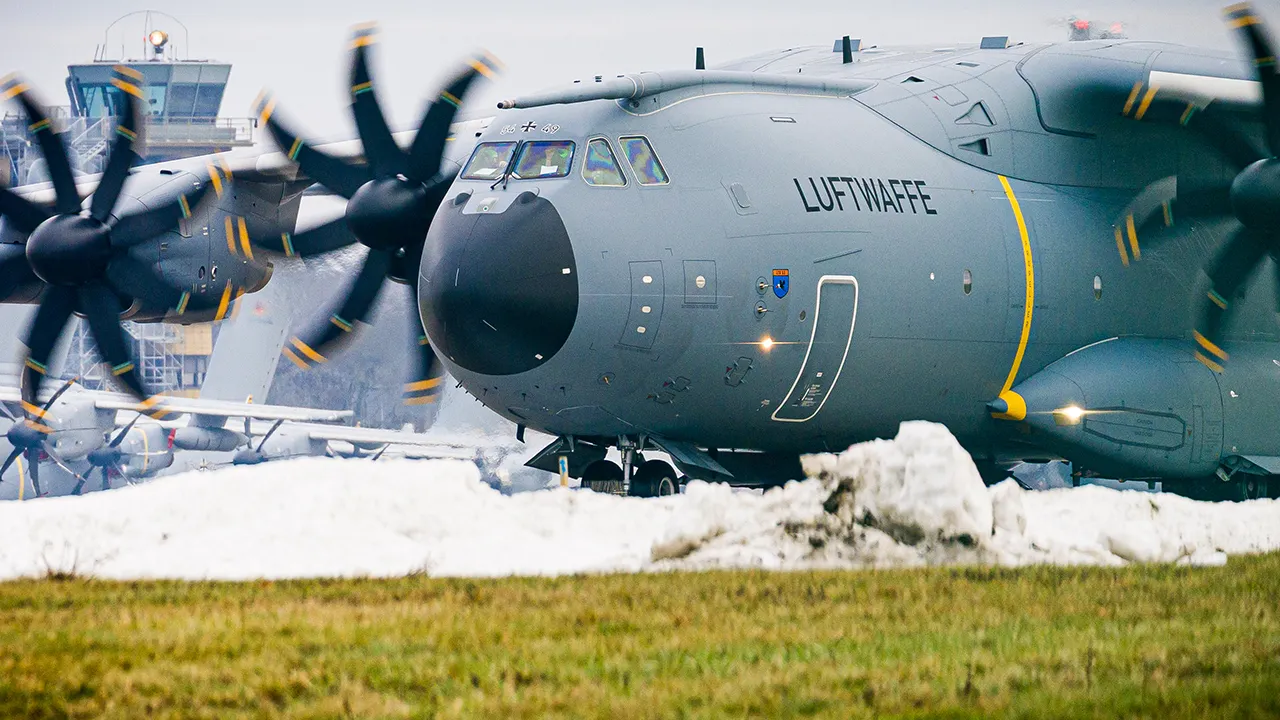
In a swift strategic move reflecting escalating Arctic concerns, troops from several European nations have deployed to Greenland for a short but significant two-day mission. France, Germany, Sweden, Norway, and Britain have sent personnel to the Danish territory as part of an effort demonstrating their ability to rapidly mobilize military assets to the region. This development unfolds against a backdrop of renewed American interest in acquiring Greenland, highlighting the territory’s growing geopolitical importance in an increasingly contested Arctic region.
The deployment includes a diverse mix of specialized forces tailored for Arctic operations: Germany contributed a 13-person reconnaissance team, France sent 15 mountain warfare specialists, while Sweden, Norway, and Britain deployed smaller contingents of officers. This multinational presence represents a coordinated European response to changing security dynamics in the High North. The Danish Ministry of Defense explained the rationale behind these movements clearly: “The geopolitical tensions have spread to the Arctic. The Government of Greenland and the Danish Ministry of Defense have therefore decided to continue the Danish Armed Forces’ increased exercise activity in Greenland, in close cooperation with NATO allies.” The ministry emphasized that this expanded military presence would focus on training operations under Arctic conditions while strengthening the alliance’s footprint in a region critical to both European and transatlantic security.
Looking ahead, Denmark has outlined ambitious plans for continuing military activities in Greenland throughout 2026. These operations could encompass a range of missions including protection of critical infrastructure, support to local Greenlandic authorities and police forces, preparations for receiving additional allied troops, deployment of fighter aircraft, and naval operations. This comprehensive approach suggests Denmark is preparing for long-term security engagement in Greenland rather than simply responding to immediate concerns. Swedish Prime Minister Ulf Kristersson publicly acknowledged his country’s participation, noting on social media that Swedish Armed Forces personnel were arriving “as part of a group from several allied countries” and would be “preparing upcoming steps within the framework of the Danish exercise Operation Arctic Endurance” at Denmark’s request.
The timing of this multinational deployment is particularly notable given statements from Danish Prime Minister Mette Frederiksen, who explicitly identified persistent American interest in acquiring Greenland as a serious concern. “The American ambition to take over Greenland is intact,” Frederiksen told Reuters, adding that Denmark continues efforts “to prevent this scenario becoming a reality.” This remarkable public acknowledgment of tensions between allies underscores the complex international dynamics surrounding Greenland’s future. The territory’s strategic location, natural resources, and geopolitical significance have attracted attention not only from traditional Arctic powers but increasingly from global players seeking influence in the region. Climate change has only intensified interest in Greenland as melting ice reveals potential new shipping routes and previously inaccessible resources.
High-level diplomatic engagement paralleled the military deployment, with Danish Foreign Minister Lars Lokke Rasmussen and Greenlandic Foreign Minister Vivian Motzfeldt meeting with Secretary of State Marco Rubio and Vice President JD Vance at the White House. This dual-track approach of military presence and diplomatic dialogue illustrates the multifaceted strategy Denmark is pursuing to maintain sovereignty over Greenland while managing relations with the United States and other interested parties. The inclusion of Greenland’s own foreign minister in these discussions reflects the territory’s growing autonomous voice in international affairs, even as it remains part of the Kingdom of Denmark with defense and foreign policy largely controlled by Copenhagen.
The current situation represents a fascinating intersection of historical relationships, modern geopolitical competition, and emerging Arctic security challenges. Denmark’s relationship with Greenland dates back centuries, but the island’s strategic importance has evolved dramatically from its role in World War II and the Cold War to its position today as a potential flashpoint in renewed great power competition. For European nations participating in this deployment, the exercise offers practical Arctic warfare training while demonstrating solidarity with Denmark. For the United States, Greenland remains valuable for its location between North America and Europe, hosting the important Thule Air Base, and potentially offering access to valuable minerals and natural resources. For Greenland itself, with its predominantly Inuit population of about 56,000 people, this international attention brings both opportunities and challenges as it navigates its own path toward greater self-determination while becoming increasingly central to global strategic calculations.