


France Intercepts Russian Oil Tanker in Mediterranean Shadow Fleet Crackdown
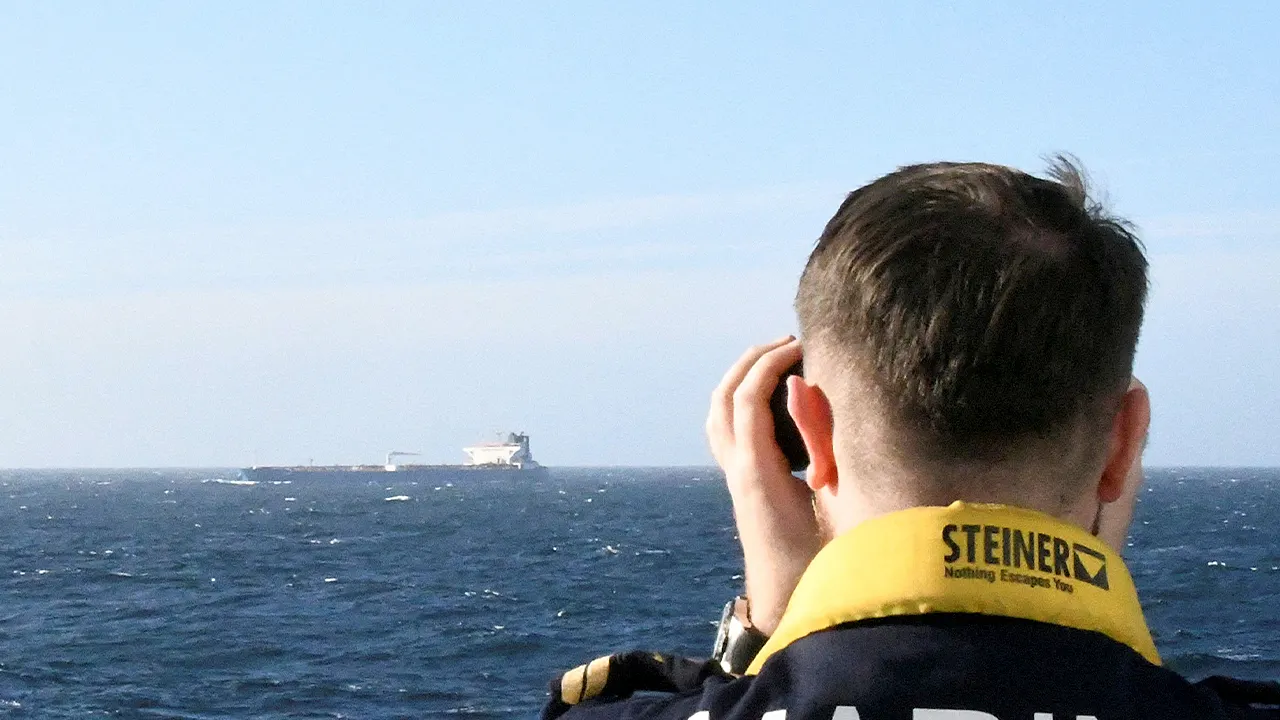
In a bold maritime enforcement action, the French navy has intercepted a Russian oil tanker in the Mediterranean Sea suspected of being part of Moscow’s elaborate sanctions-evasion network. President Emmanuel Macron announced Thursday that French forces had boarded and searched the vessel, which is reportedly subject to international sanctions. The tanker, identified as the Grinch, was sailing from Murmansk in northern Russia under the Comoros flag when it was intercepted between the southern coast of Spain and northern Morocco. This operation, conducted on the high seas with support from several allied nations, represents a significant escalation in Western efforts to enforce sanctions against Russia’s lucrative oil export business.
The interception didn’t happen in isolation. Intelligence on the vessel was gathered and shared by both France and the United Kingdom, according to French military officials speaking anonymously to the Associated Press. After boarding the Grinch, inspectors found documentation that raised serious doubts about the legitimacy of the vessel’s flag registration. As a result, the French navy is now escorting the tanker to an anchorage for further verification. This incident marks yet another in a growing series of Russian-linked vessels being stopped by Western authorities in recent months, following a similar seizure by U.S. forces of the Russian-flagged Marinera oil tanker in the North Atlantic Sea in early January.
Behind these seizures lies the complex reality of what experts call Russia’s “shadow fleet” – a network of approximately 1,400 aging and poorly regulated tankers that regularly change names, ownership structures, and flags to avoid detection and circumvent international sanctions. Despite the European Union having imposed 19 rounds of sanctions on Russia since its 2022 full-scale invasion of Ukraine, Moscow has managed to continue exporting millions of barrels of oil, primarily to China and India, often at discounted prices. These shadow vessels operate in the margins of international maritime law, exploiting loopholes and regulatory gaps to keep Russian oil flowing to global markets.
The economic implications of these operations are profound. Russia’s ability to maintain oil exports despite Western sanctions has provided critical funding for its war efforts in Ukraine, a point Ukrainian President Volodymyr Zelenskyy emphasized at the World Economic Forum in Davos, Switzerland. “Why can [U.S. President Donald Trump] stop tankers of the ‘shadow fleet’ and seize their oil, while Europe can’t?” Zelenskyy asked, highlighting his frustration with what he perceives as insufficient European action. “Russian oil is transported right along the European coast. This oil funds the war against Ukraine. This oil helps destabilize Europe,” he added, drawing a direct connection between these maritime smuggling operations and the ongoing conflict.
The French interception of the Grinch represents more than just a singular enforcement action; it signals a potential shift in European willingness to confront Russia’s sanctions evasion more aggressively. Until recently, U.S. authorities had been more proactive in seizing vessels suspected of violating sanctions, with the French-led operation possibly indicating a new chapter in coordinated Western enforcement. Maritime security experts note that these shadow fleet vessels often operate with substandard safety measures, aging equipment, and inadequate insurance, presenting environmental and navigational hazards beyond their role in sanctions evasion.
As Western powers intensify their efforts to disrupt Russia’s oil exports, the cat-and-mouse game between enforcement authorities and the shadow fleet operators is likely to grow more complex. Shipping industry analysts suggest that Russia and its partners are continuously adapting their tactics, using increasingly sophisticated methods to disguise vessel ownership, cargo origins, and financial transactions. The human dimension of this struggle extends beyond geopolitics to the seafarers aboard these vessels, who often work in hazardous conditions with limited legal protections. Meanwhile, the environmental risks posed by these aging tankers, many of which would fail standard safety inspections, remain a serious concern for coastal communities throughout the Mediterranean and beyond. As France’s maritime authorities complete their investigation of the Grinch, the international community watches closely to see whether this marks the beginning of a more coordinated and determined Western approach to dismantling Russia’s maritime sanctions-evasion network.