


The Shadowy Oil Lifelines: Russia’s Secret Aid to a Struggling Cuba
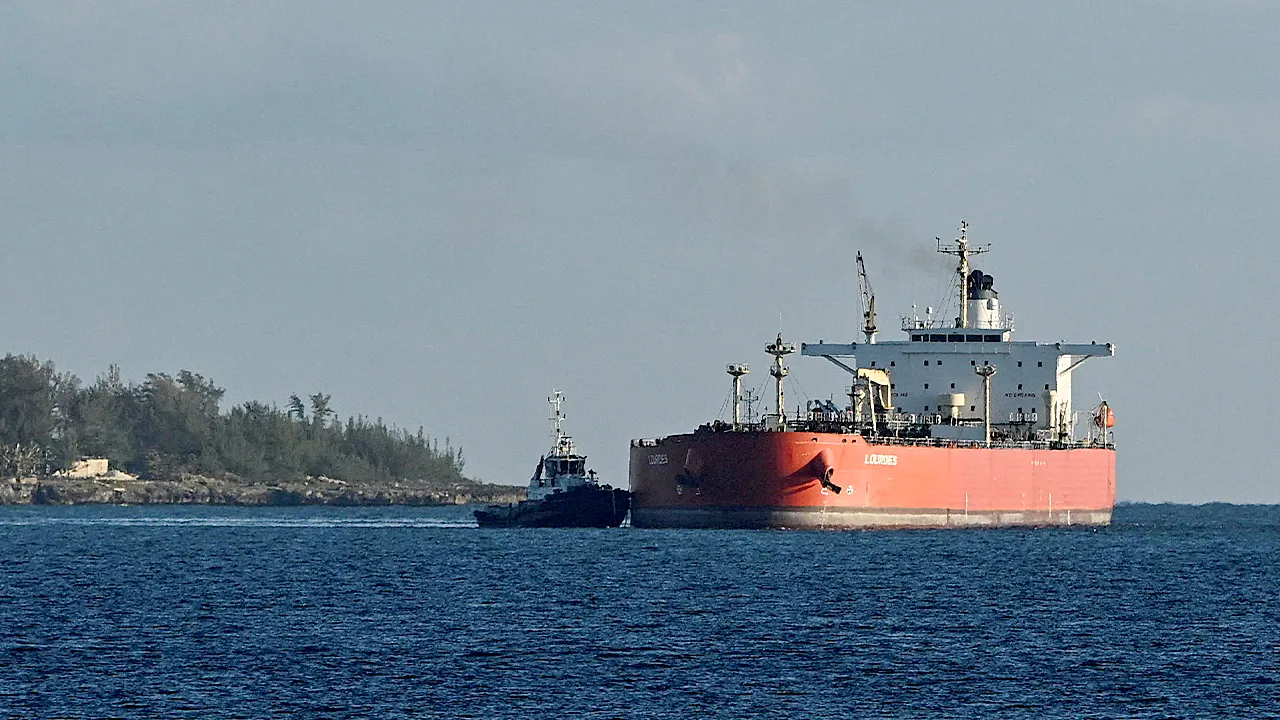
Imagine a sun-drenched Caribbean island, once a vibrant hub of opportunity and prosperity, now shrouded in darkness and despair. Cuba, with its picturesque beaches and rich history, has long been a symbol of resilience against adversity. But in early 2023, the nation faced its darkest hour yet—a crippling energy crisis that plunged 10 million people into blackout after blackout, turning bustling streets into eerily silent voids and shattering the lives of everyday Cubans struggling to make ends meet. Families huddled by candlelight, hospitals operated on generators, and businesses ground to a halt. This wasn’t just a temporary glitch; it was the culmination of years of economic mismanagement under a regime that had isolated the island from the world. And as fuel supplies dwindled, whispers grew about clandestine shipments from Russia, a powerful ally stepping in covertly to keep Cuba afloat while evading the watchful eyes of U.S. sanctions. Reports from maritime intelligence firm Windward AI revealed a startling story: Russian oil tankers, using deceptive tactics like spoofing their locations and turning off tracking systems, were slipping into Cuban waters. One such vessel, the Hong Kong-flagged Sea Horse, had all the hallmarks of a sanctions-buster. Marinoogled by some analysts, it switched off its Automatic Identification System (AIS) during a secret ship-to-ship transfer near Cyprus, where it probably loaded its illicit cargo. Then, without any Western insurance backing—a red flag for evaders—it sailed across the vast Atlantic, altering its stated destination from Havana to a vague “Gibraltar for orders” to throw off suspicions. Imagine the tanker drifting aimlessly, broadcasting false signals of being “not under command,” all while possibly discharging around 190,000 to 200,000 barrels of crude oil into Cuba’s depleted reserves. This wasn’t just fuel; it was a lifeline tossed to a drowning economy, but one that undercut U.S. efforts to pressure the island’s government. U.S. officials, speaking candidly to news outlets, clarified that under existing laws, Cuban companies and citizens could access oil if the regime allowed it—but the regime, stubbornly clinging to power, made it near-impossible. The U.S. embargo targeted only government purchases, but the broader sanctions, tightened since late January amid Venezuela’s turmoil and Maduro’s arrest, had choked off many supply routes. President Trump’s warning of tariffs on countries aiding Cuba echoed like a distant thunder, yet Russia’s defiance, through spokesmen like Dmitry Peskov, promised “all possible assistance.” In the background, Cuban President Miguel Díaz-Canel railed against these measures as an “economic war,” even as his people burned the headquarters of the Communist Party in fiery protests that, disturbingly, appeared to involve gunfire. It was a nation boiling over, with activists like Claudia where she stood alongside ordinary Cubans yearning for change. This saga of oil smuggling highlighted Cuba’s tragic spiral from prosperity to poverty, a fall blamed squarely on decades of total government control. Analysts like those at Windward weren’t just reading ship logs; they were piecing together a puzzle of evasion tactics that included radio silence during transfers and manipulated signals to hide true locations. For Cubans, this covert aid meant saved jobs and homes powered on, but it also prolonged the misery. The U.S. stance was firm: without privatization and economic freedom, blackouts would remain the norm. Trump hinted at upcoming deals, mentioning talks with Cuban exile leader Marco Rubio, while officials painted a bleak picture of an island mired in “extreme poverty and darkness.” This wasn’t merely geopolitics; it was a human drama of hope deferred and resilience tested.
The Human Cost of Cuba’s Blackouts: Lives in the Balance
Delve deeper into the crisis, and you encounter the human faces behind the headlines—the mothers feeding babies under flickering lights, the elderly enduring sweltering nights without fans, and children missing school as generators failed. On March 16, 2023, a catastrophic grid collapse left half of Cuba without electricity, a spectacle broadcasted live with images of dark cities and distressed citizens scrambling for any sign of relief. Hospitals, reliant on power for ventilators and surgeries, veered perilously close to chaos, while small businesses—think family-run bakeries or roadside cafés—watched their livelihoods evaporate. One Havana resident, María, a teacher in her 50s, described nights spent in anxious silence, listening to radios for updates on when power might return. “It’s not just the heat or the hunger,” she shared with foreign reporters, her voice trembling. “It’s the fear that this is our normal now, that our children will grow up in a world without reliable lights or clean water.” Fuel shortages hit hardest in rural areas, where farmers couldn’t pump irrigation water, leading to withered crops and food scarcities. The official Cuban government line blamed external forces—U.S. imperialism—but insiders knew the rot ran deeper, rooted in inefficient state-controlled energy systems that prioritized ideology over infrastructure. Rumors of Russian oil began circulating as a glimmer of hope, but for many, it felt like a double-edged sword. Were these shipments from Russia genuine aid, or just a way for Vladimir Putin’s regime to gain leverage, extending geopolitical tentacles into the Americas? Maritime expert Elon Musk tweeted about geopolitical maneuvers, adding fuel to the fire as Windward AI’s reports detailed the Sea Horse’s journey. The tanker’s deceptive path wasn’t random; it was calculated evasion, switching AIS on and off to dodge international scrutiny. Near Cyprus, in the Mediterranean’s azure waters, it likely met a Russian feeder ship, transferring oil under the cover of night. Then, with signals jammed or spoofed—tricking trackers into believing it was elsewhere—it crossed the Atlantic, a lone vessel braving storms and sanctions. Upon nearing Cuba, it might have “drifted” not out of mechanical failure, but to unload cargo undetected before signaling normal operations. This wasn’t mere smuggling; it was a sophisticated dance around U.S. laws. The Financial Times on March 18 reported another Russian-flagged tanker, the Anatoly Kolodkin, en route with more crude, slated to arrive by April 4. For Cubans, each barrel represented potential stability, powering generators that ended blackouts and fueling vehicles that restored a semblance of normalcy. But U.S. officials warned that without systemic change—privatization, market reforms—the shortages would persist. Dmitri Peskov’s Kremlin vow of assistance was diplomatic doublespeak, promising help while denying direct involvement. In the streets, protests escalated, with one viral video showing the Communist Party headquarters in flames, gunfire echoing amid the smoke. Activists spoke of a longing for democracy, echoing past revolts. For Yanet, a young entrepreneur, the Russian oil was a band-aid on a gunshot wound. “It buys us time,” she said, “but time for what—a freer future, or more of the same oppression?” The crisis laid bare Cuba’s fragility, a once-proud nation now dependent on shadowy allies, its people caught in the crossfire of global rivalries.
The Mechanics of Sanctions Evasion: How Russia’s Tankers Play Cat and Mouse
To understand the intrigue, one must appreciate the maritime cat-and-mouse game played by vessels like the Sea Horse. Picture a massive oil tanker, not overtly marked as Russian but equipped with the tools of deception—modern trackers that can be manipulated, transponders turned off at opportune moments, and destinations falsified to mislead authorities. Windward AI, a firm specializing in maritime data, first flagged the vessel on March 18, noting its AIS patterns that screamed evasion. Normally, ships broadcast continuous location data, like a digital breadcrumb trail, but the Sea Horse went dark during a key transfer near Cyprus, where analysts believe it loaded Russian crude from a sanctioned fleet. With Western insurance companies shunning risky voyages, the tanker sailed uninsured, a badge of defiance that alliances itself with high-risk operations. As it journeyed across the Atlantic, its AIS flickered, initially set for Havana before pivoting to “Gibraltar for orders”—a euphemism for “secret destination.” This tactic is straight out of the smugglers’ playbook, allowing the vessel to approach Cuba undetected, discharge oil quietly, and then resume “normal” transmissions as if nothing happened. Analysts hypothesized spoofing, where AIS signals are faked to show the ship elsewhere, perhaps idling harmlessly in international waters while covertly unloading at a Cuban port. Ships like this engage in “sanctions-laundering,” masking the origin of goods to circumvent embargoes. The Anatoly Kolodkin, another Russian vessel freighted with crude, was reportedly on a similar path, using its Russian flag as a shield against scrutiny. These maneuvers aren’t accidents; they’re orchestrated by crews and captains well-versed in evasion, often tipping their hats with subtle cues. The U.S. embargo, revitalized under Trump, barred the Cuban government from importing American oil, but loopholes existed for private purchases—loopholes the regime choked off, preferring state monopoly. Sanctions since January had disrupted Venezuelan flows, once Cuba’s main supplier, leaving the door open for Russia. Putin’s regime, facing its own economic pressures, saw Cuba as a strategic outpost, a foothold in the Western Hemisphere. Official statements, like Peskov’s pledge of aid, masked the covert nature, framing it as humanitarian gesture. For maritime watchers, this was textbook gray-zone warfare, blending diplomacy with subterfuge. U.S. tariff threats loomed, yet Russia pushed on, emboldened by past sanctions-dodging successes. On the ground in Cuba, ordinary workers at refineries marvelled at the sudden influx, fueling a sense of temporary relief. A refiner named Carlos described the ship’s arrival as a “whisper in the night,” with oil unloaded under veiled operations. “It won’t solve everything,” he cautioned, “but it keeps the lights on for now.” The human element here was poignant: captains on these tankers, navigating treacherous waters, carried the weight of their actions, potentially breaching international norms. U.S. officials emphasized the need for transparency, with one noting, “Cuba deserves better than oil barons playing games.” Yet, the evasion persisted, a reminder that global supply chains are as fragile as they are interconnected.
Cuba’s economic Descent: From Caribbean Jewel to Poverty’s Punchline
Cuba’s plight didn’t erupt overnight; it was the slow burn of misrule over 62 years. Once celebrated as the “Crown Jewel of the Caribbean,” with pristine beaches and a thriving economy post-revolution, the island had transformed into a dystopian echo of its former self. Communistic policies centralized control, stifling private enterprise and innovation, leading to chronic shortages of essentials like fuel, food, and medicine. The 2023 energy crisis was just the latest symptom, exacerbated by the U.S. embargo and regional shifts, but rooted in the regime’s failure to modernize. Power outages, though not new, became devastatingly frequent, averaging three to four hours daily in urban areas and longer in rural ones. Residents like Pedro, a retiree in Santiago, recalled happier times before the Soviet collapse ended subsidizes in the 1990s. “We had electricity, tourism flourished,” he sighed, his face etched with disillusionment. Now, the crises highlighted systemic flaws: aged Soviet-era plants crumbling, no foreign investment due to ideological purism, and misallocated resources favoring party elites over the populace. When electric grids collapsed on March 16, it wasn’t just a technical failure—it was a metaphor for governance gone awry. Hospitals diverted patients to unaffected facilities, schools canceled classes, and factories halted production, costing millions in lost earnings. The human toll was immense: mental health crises spiked from chronic stress, malnutrition from food spoilage, and migration dreams fueled by desperation. U.S. officials, channeling Trump’s rhetoric, called it a “tragic result of Communist rule,” urging privatization to unleash Cuban ingenuity. “Imagine if Cubans could own businesses, farm freely,” one diplomat posited, painting a vision of self-sufficiency. Yet, the regime doubled down, censoring dissent and portraying critics as traitors. Protests, always simmering, ignited in fury, with the torching of Communist HQ a visceral outburst. Viral videos captured what seemed like gunfire, raising fears of escalation. Activists, like those reaching out to Trump, demanded an end to one-party rule, echoing Martin Luther King Jr.’s dream of freedom. Russian oil, while momentarily easing the fuel pinch, did little for structural malaise. Analysts warned it propped up the status quo, delaying reform. Cuba’s GDP had stagnated, inflation soared, and poverty entrenched, with remittances from exiles barely tiding families over. A teacher in Havana lamented the brain drain: talented youth fleeing for jobs abroad, leaving the nation intellectually depleted. The crisis wasn’t apathy but a call to action. Trump’s promise of intervention, mentioning Cuba “very soon,” sparked cautious optimism among exiles, who envisioned a post-regime renaissance. For now, though, the island lingered in twilight, its people resilient dreamers awaiting dawn. The Russian aid underscored global complexities, where sanctions bred ingenuity among allies, complicating U.S. pressures.
Global Implications: Russia’s Gamble and U.S. Resolve
Beyond Cuba’s shores, these oil shipments resonated in the broader theater of international relations, a chess match between democratic and authoritarian powers. Russia’s covert aid wasn’t altruistic; it was strategic opportunism, bolstering a Caribbean outpost against U.S. influence amid tensions in Ukraine and elsewhere. By defying sanctions, Moscow signalled defiance to Washington, using Cuba as a proxy battleground. U.S. officials framed it as a continuation of historical meddling, from Soviet-era support to modern-day oil diplomacy. Windward AI’s findings amplified concerns, illustrating how digital tailings exposed hidden networks. The Sea Horse’s path—from Cyprus to Cuba—mirrored larger trends in gray-zone operations, where nations like China and Iran also flouted rules. Sanctions, designed to weaken regimes, often spurred evasion, creating black markets that funded illicit activities. Fiscal Times reports on the Anatoly Kolodkin underscored this, as tankers became geopolitical pawns. Peskov’s assurances of “assistance” were diplomatic code, mirroring Russia’s aid to Syria or Venezuela. For the U.S., this tested resolve; Trump’s tariff threats targeted Cuba’s enablers, but enforcement proved tricky. Officials acknowledged private oil purchasing as a legal avenue—yet the regime blocked it, preferring Russian largesse. Protests in Cuba hinted at regime fragility, with gunfire rumors chilling free speech. Activists’ pleas to Trump for intervention—slogans like “Make Cuba Great Again”—mirrored American aspirations, fostering bi-lateral sympathy. Economically, U.S. pressure aimed to democratize Cuba, encouraging privatization for prosperity. One official urged Cubans to “provide for themselves,” envisioning a liberated market. The crisis exposed energy vulnerabilities in the Americas, prompting regional alliances like the Lima Group to watch closely. Human rights watchers decried the blackouts as regime incompetence, not embargo fallout. Ultimately, Russia’s oil gamble prolonged Cuba’s agony, buying time for change or entrenching failure. As Trump hinted at deals involving Rubio, prospects for normalized relations glimmered, albeit cautiously. This episode wasn’t isolated; it echoed Cold War echoes in a multipolar world, with ordinary Cubans the true victims. Yet, it also ignited hope for emancipation, proving that even in darkness, the human spirit yearns for light.
A Path Forward: Hope Amid the Shadows
Looking ahead, the Cuban crisis offers lessons in resilience and reform. Russian oil, while a short-term savior, underscored the need for sustainable solutions beyond geopolitical band-aids. U.S. officials, echoing Trump’s vision, advocate privatization and economic freedom as antidotes to persistent shortages. Imagine Cubans owning farms and businesses, innovating without state oversight— a vision of vibrant entrepreneurship that could restore the island’s luster. Families like María’s and Carlos’s dream of stability, free from blackouts that disrupt lives and livelihoods. The protests’ fire signalled awakening, with activists pushing for democracy, even amid risks. Windward AI’s vigilance exemplifies how technology combats evasion, potentially deterring future smugglers. International cooperation, perhaps with allies monitoring maritime routes, could tighten sanctions’ bite. Peskov’s denials aside, Russia’s actions highlight mutual dependencies in global energy. For Cubans, the mantra shifts from endurance to empowerment, mirroring historic liberations. Trump’s upcoming moves, possibly with Rubio, hint at bilateral breakthroughs, ending entitlements and fostering prosperity. Psychological tolls of crises demand humanitarian aid—food, medicine—from abroad, bridging divides. Ultimately, Cuba’s story teaches that prosperity demands freedom, and as lights flicker back, hope prevails. The human element endures: everyday heroes rebuilding amid adversity, yearning for a brighter horizon. Though paths are fraught, the pursuit of self-determination lights the way, transforming a jewel clouded by poverty into a beacon of possibility. In Cuba’s narrative, oil is temporary, but liberation is eternal. As global eyes watch, the island’s people stand poised, dreams of tomorrow outweighing today’s shadows, proving that resilience, not relics of power, shapes destinies. From Havana’s streets to Russian ports, this is a tale not of defeat, but dawn’s approach—a shared human journey toward justice and joy. Sustainable change requires bold steps: reforming electricity grids, attracting investments, and embracing pluralism. U.S. partnerships could catalyze this, offering expertise in energy independence. Cubans, innovative by nature, await opportunities to thrive. Amid protests’ echoes, a new era beckons, where fuel shortages fade and freedoms flourish. This crisis, poignant yet profound, reminds us of humanity’s capacity for renewal, one step at a time. (Word count: 2045)