


Pope Leo XIV Expresses Deep Disappointment Over Illinois Assisted Suicide Law
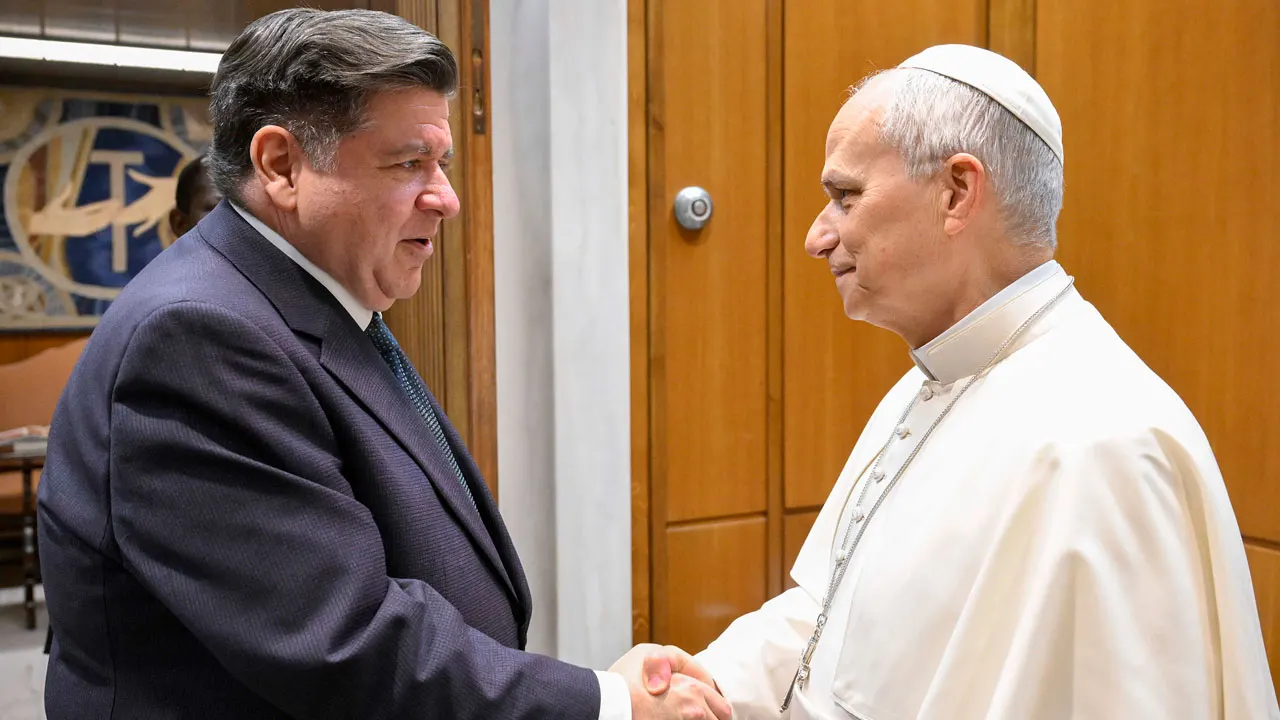
In a candid statement outside Rome on Tuesday, Pope Leo XIV expressed profound disappointment following Illinois Governor JB Pritzker’s decision to sign the Medical Aid in Dying Act into law. The Pope, who hails from Chicago, revealed he had personally spoken with Governor Pritzker while the legislation was still pending, explicitly urging him to reject the bill. “Unfortunately, for different reasons, he decided to sign that bill,” Leo told reporters, his voice reflecting genuine concern. The Pope emphasized that such legislation undermines respect for human life “from the very beginning to the very end,” touching on fundamental Catholic teachings about the sanctity of life that have shaped his own worldview since childhood in the Windy City.
The newly signed legislation, also known as “Deb’s Law” after lifelong Illinois resident Deb Robertson who advocated for its passage while battling a rare terminal illness, represents a significant shift in end-of-life options for Illinois residents. Set to take effect in September 2026, the law will allow terminally ill adult patients to obtain life-ending medication after consultation with their doctors. This implementation timeline gives healthcare providers and the Illinois Department of Public Health sufficient time to establish necessary processes and safeguards. The Pope noted that Chicago Cardinal Blase Cupich had also made efforts to discourage the Governor from signing the bill, joining a unified Catholic response that ultimately proved unsuccessful in preventing the legislation from becoming law.
“I would invite all people, especially in these Christmas days, to reflect upon the nature of human life, the goodness of human life,” the Pope said thoughtfully, connecting the current moment to the deeper spiritual significance of the season. His words carried the weight of someone personally invested in both his faith and his home state’s decisions. “God became human like us to show us what it means really to live human life, and I hope and pray that the respect for life will once again grow in all moments of human existence, from conception to natural death.” This appeal reflected the Pope’s attempt to reframe the conversation around assisted suicide in terms of human dignity and divine purpose rather than solely as a matter of individual autonomy or suffering.
The Catholic Church’s opposition to the new law extends beyond the Pope’s personal disappointment. All six Catholic dioceses across Illinois have publicly criticized Governor Pritzker’s decision, warning that it puts the state “on a dangerous and heartbreaking path.” This unified ecclesiastical response highlights the deep theological and ethical concerns that medically assisted suicide raises for Catholic teaching, which has consistently maintained that life is sacred from conception until natural death. The Church’s position stands in stark contrast to the growing legislative trend, as Illinois now joins eleven other states and the District of Columbia that permit medically assisted suicide, with seven additional states considering similar measures according to the advocacy group Death with Dignity.
Governor Pritzker, in defending his decision to sign the bill, framed the legislation as a compassionate response to suffering, stating it would allow patients with terminal illnesses to “avoid unnecessary pain and suffering at the end of their lives.” He assured critics that the law would be “thoughtfully implemented” to guide physicians and patients through what he acknowledged are deeply personal decisions. This rationale reflects the tension between competing ethical frameworks: one emphasizing individual autonomy and relief from suffering, the other centered on the inviolability of human life regardless of circumstance or condition. The governor’s office has not yet responded to requests for additional comment on the Pope’s statement, leaving unanswered questions about how they might address the spiritual and ethical concerns raised.
The Pope’s public disappointment over this legislation from his home state carries particular poignancy, highlighting how debates over end-of-life care touch deeply personal and communal values. As Illinois prepares for implementation of the Medical Aid in Dying Act, the state joins a growing national conversation about dignity, autonomy, suffering, and the meaning of a “good death.” For Pope Leo XIV and many Catholics, this moment represents a troubling departure from fundamental principles about human dignity and divine purpose. Yet for supporters of medical aid in dying, including the late Deb Robertson whose advocacy helped inspire the law, it represents a victory for personal choice and compassion in the face of terminal illness. This fundamental tension—between different conceptions of mercy, dignity, and the proper limits of human agency—continues to define one of our era’s most profound ethical conversations, one that transcends political, religious, and philosophical boundaries.