


Sydney Massacre Reveals ISIS Inspiration as Authorities Uncover Explosive Devices and Homemade Flags
Australian authorities have revealed chilling new details about the recent Hanukkah event massacre at Sydney’s Bondi Beach, describing it as a deliberate, ISIS-inspired terrorist attack aimed specifically at Jewish Australians. The father-son attackers, aged 50 and 24, who opened fire on families celebrating Hanukkah, had apparently planned a much larger assault than initially thought. Investigators discovered that the younger attacker’s vehicle contained improvised explosive devices and homemade ISIS flags, evidence that points directly to extremist inspiration. New South Wales Police Commissioner Mal Lanyon revealed that both suspects had traveled to the Philippines last month – a region with historical ties to ISIS-linked networks – though the purpose of their trip remains under investigation. This horrific attack has left fifteen people dead and more than two dozen injured, with ten victims still in critical condition, including children as young as 10 years old.
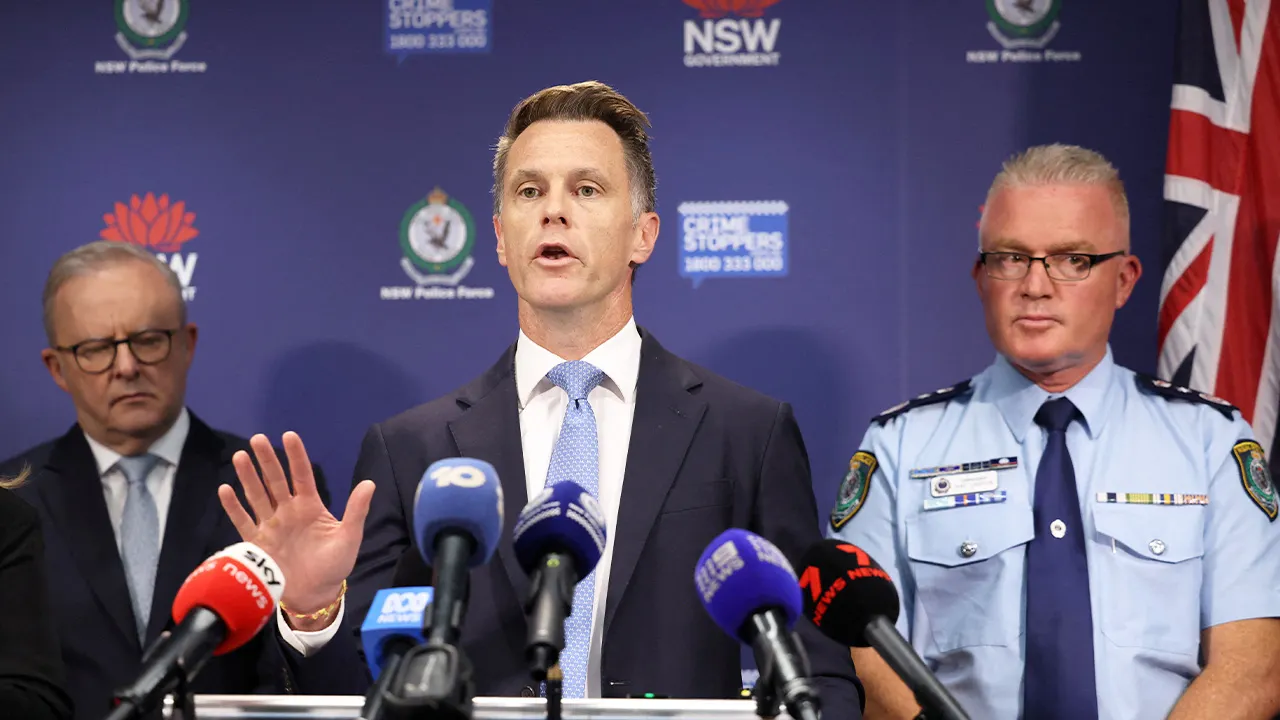
The attack has been described by Australia’s federal police commissioner Krissy Barrett as “barbaric,” stating that Jewish Australians were “hunted down in broad daylight.” Forensic teams continue their work examining ballistic and chemical evidence, while investigators are reviewing digital devices, travel records, and thousands of seized documents to determine if others may have been involved in planning or facilitating the attack. Though officials currently believe the two gunmen acted alone, they caution that this assessment could change as the investigation deepens. The discovery of explosive devices in the attackers’ vehicle has raised serious concerns that they intended to carry out secondary attacks or cause even more casualties, though authorities are still determining whether these devices were functional.
Amid the tragedy, a story of remarkable bravery has emerged. Ahmed al Ahmed, a 42-year-old Syrian-born fruit shop owner, was captured on video tackling and disarming one of the assailants before placing the weapon on the ground. Despite suffering shotgun wounds to his left shoulder and upper body, Ahmed’s courageous actions potentially saved many lives. Prime Minister Anthony Albanese, who met with Ahmed, hailed him as “a true Australian hero” representing “the best of our country.” The Prime Minister emphasized national unity in the face of terrorism, stating, “We will not allow this country to be divided. That is what the terrorists seek. We will unite. We will embrace each other, and we’ll get through this.”
The attack has prompted Australian officials to reexamine the country’s gun laws, with Prime Minister Albanese and state leaders pledging to implement the most sweeping reforms since the 1996 Port Arthur massacre that left 35 people dead. While Australia has enjoyed relatively few mass shootings since those landmark restrictions were put in place, this incident has revealed potential gaps in the system, particularly as it emerged that the older suspect had legally obtained his cache of six weapons. The promised legislative response reflects both the nation’s shock at the violence and its determination to prevent similar tragedies in the future, with Albanese announcing plans to further restrict access to firearms.
As the investigation continues, public questions and anger have grown about how the suspects were able to plan and execute such an attack, and whether Australian Jews had been sufficiently protected from rising antisemitism. Commissioner Barrett described the attackers as “callous” in how they allegedly coordinated their assault, appearing to have “no regard for the age or ableness of their victims.” She added that “it appears the alleged killers were interested only in a quest for a death tally.” The older gunman was shot dead during the attack, while his son was being treated at a hospital as of Tuesday, facing inevitable prosecution for his role in one of Australia’s worst terrorist incidents in recent memory.
The Bondi Beach massacre has shaken Australia’s sense of security and highlighted the global nature of extremist threats. The investigation’s revelations about ISIS inspiration and the discovery of explosive devices suggest this attack represents something more troubling than an isolated incident of violence – it points to the persistent challenge of identifying and preventing radicalization before it leads to bloodshed. As the community mourns those lost and prays for the recovery of the injured, including the children still fighting for their lives in hospital, Australians are grappling with difficult questions about security, religious freedom, and how to preserve their open society while protecting vulnerable communities. The Prime Minister’s call for unity reflects a national determination not to allow terror to achieve its goal of division, even as the country confronts the painful reality that hatred continues to find expression in violence.