


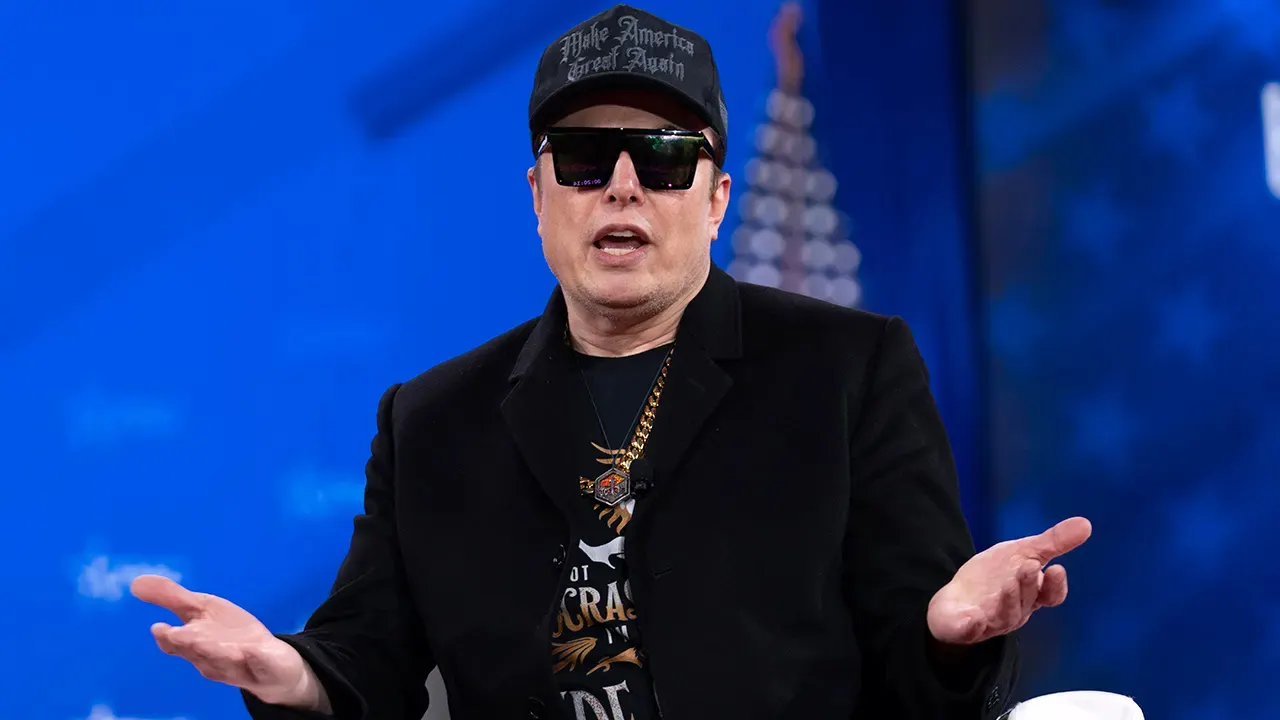
Imagine we’re all sitting around a virtual campfire in the digital age, swapping stories about how our world is evolving—sometimes chaotically, sometimes brilliantly. Lately, the tale that’s got everyone buzzing involves Spain’s Prime Minister Pedro Sánchez and his bold plans to tame the wild west of social media. Picture it: Sánchez, standing tall at the World Government Summit in Dubai, lays out a roadmap to hold platform executives personally accountable for the messes on their sites. He argues that social media has morphed into a “lawless digital ecosystem,” a virtual failed state where bad actors run riot, spreading lies, hate, and harm without anyone stepping in. To hammer home the point, Sánchez takes a swing at Elon Musk, the guy who runs the platform formerly known as Twitter (now just X). He calls out Musk for being a “migrant himself” who used his soapbox to amplify what Sánchez sees as misinformation about Spain’s immigration policies, like the government deciding to regularize half a million migrants who’ve been quietly boosting the country’s success. Musk, never one to hold back, fires back with a profanity-laden jab on X: “Dirty Sánchez is a tyrant and traitor to the people of Spain,” tossing in a poop emoji for good measure. It’s like watching two heavyweight boxers trading punches in the ring of public opinion, one wielding policy hammers and the other unleashing meme-level insults. As we chew on this, it feels personal—how many of us have scrolled through feeds filled with toxic content that poisons the well of civil discourse? Sánchez seems to be channeling that frustration into action, reminding us that in our hyper-connected world, words and algorithms aren’t just tools; they’re weapons that can shape reality, for better or worse.
Diving deeper into Sánchez’s vision, it’s hard not to get a sense of urgency, like a parent finally enforcing rules in a house that’s been overrun by unruly kids. He frames social media not as a fun playground, but as a place where disinformation, hate speech, and crimes thrive unchecked because the platforms themselves have ducked responsibility. We’ve all been there—liking a harmless post only to see it escalate into a vortex of anger and falsehoods. Sánchez’s response? A five-point plan that kicks off next week, starting with amending Spain’s laws to make platform executives criminally liable for not scrubbing out illegal or hateful stuff. No more hiding behind “we’re just the platform” excuses; CEOs could face real jail time if their sites become breeding grounds for digital nasties. It’s a shift that echoes historical moments, like when regulators finally clamped down on tobacco companies for peddling poison, and now Big Tech leaders might face similar scrutiny for what their algorithms do to young, impressionable minds. Think about it: in a world where a single viral lie can topple governments or incite real-world violence, holding leaders accountable isn’t just justice—it’s survival. Sánchez doubles down by targeting the algorithms themselves, making it a crime to manipulate and amplify illegal content. Disinformation, he says, doesn’t just magically appear; it’s engineered by actors who profit from chaos, and platforms’ systems supercharge it for engagement dollars. This measure feels like pulling back the curtain on Silicon Valley’s magician act, forcing companies to admit that their code isn’t neutral— it’s shaping societies in ways that some of us love and others abhor, turning passive browsing into an addiction-fueled nightmare.
As the story unfolds, Sánchez introduces what he calls a “hate and polarization footprint,” and it sounds almost sci-fi, like a digital barometer quantifying how platforms stoke division. Imagine a scoreboard that tallies up the hate being brewed, assigning scores that could lead to fines or lawsuits. For too long, he argues, hate has been this invisible force, slipping through the cracks without cost, but now it’s time to make it expensive. It’s relatable in a profoundly human way—how often do we feel the weight of online feuds spilling over into our real lives, fracturing friendships or fanning flames of bigotry? This tracking system aims to change that, creating a tangible consequence for companies that thrive on tribalism. Then there’s the ban on social media for kids under 16, a policy that Sánchez introduces with the heartache of a concerned guardian. He paints a vivid picture: children wandering a digital minefield of addiction, exposed to pornography, manipulation, violence, and abuse—none of it designed for their tender years. Mandatory age-verification isn’t just a checkbox; it has to be a real gatekeeper, blocking out the predators and pitfalls. From a parent’s perspective, it’s a no-brainer, but it also sparks debates—Are we overprotecting, stifling growth, or finally giving kids a fighting chance against giants like TikTok and Instagram? Sánchez, with his solemn delivery, suggests it’s the latter, acknowledging that without barriers, our next generation is left navigating a wilderness they’re ill-equipped for, where one wrong turn can scar for life.
Rounding out the plan, Sánchez vows to team up with prosecutors to zero in on alleged violations by big names like Grok, TikTok, and Instagram. It’s not just talk; it’s a declaration of digital sovereignty, pushing back against foreign meddlers meddling in Spain’s online space. He says they’re fighting back, and there’s a sense of triumph in his words, like a country reclaiming its narrative from entities that operate in shadowy global empires. This final measure ties everything together, emphasizing zero tolerance for the content that’s eroding trust and unity. As consumers, we’ve all witnessed the power plays—algorithms tailoring our feeds to keep us hooked, ads and posts blurring into propaganda. Humanizing this, it’s like Sánchez is rallying neighbors against a common nuisance, ensuring that our shared digital homestead isn’t overrun by wolves in CEOs’ clothing. And Elon Musk’s reaction looms large here; his epithet “Dirty Sánchez” isn’t just offensive—it’s a showdown between free speech absolutists and those demanding order. Musk, the innovator who’s promised X as a bastion of free speech, sees this as an attack on liberty, while Sánchez views it as protecting democracy from fragmentation. It’s a clash of visions: one man’s tech utopia versus another’s regulated safeguard, and we’re all caught in the crossfire, debating where freedom ends and responsibility begins.
Reflecting on the whole saga, it’s fascinating how one speech in Dubai has rippled globally, sparking memes, think pieces, and even broader calls for tech reform. Sánchez’s plans feel like a wake-up call, reminding us that social media isn’t just a tool—it’s a mirror reflecting our best and worst selves. By humanizing this through stories of families fractured by online hate or kids lost in algorithmic rabbit holes, we see the stakes. Biden administration echoes in the U.S., with figures like Marco Rubio warning Americans about potential arrests for posts if visiting Europe—it’s all interconnected, raising questions about jurisdiction in a borderless internet. Yet, in Musk’s campy retort, there’s a human element too: the unguarded fury of a tycoon defending his realm. It prompts us to ask, as everyday users, what roles we play in this ecosystem. Do we share guilt for spreading that viral hoax, or are we victims of design? Sánchez’s push for accountability feels like empowering voices long drowned out, but critics argue it risks censorship on steroids. As we digest this, it’s not just policy—it’s philosophy, urging us to reclaim agency in a space that’s become an extension of ourselves.
Ultimately, this isn’t a distant drama; it’s a chapter in our collective history, where leaders like Sánchez and titans like Musk are redefining the rules of engagement. Imagine extrapolating this to our daily lives—applauding when harmful content gets yanked, or bristling when our favorite outpost faces scrutiny. The five measures, from executive liability to age bans, aim to foster a healthier digital society, one where algorithms serve us, not the other way around. Musk’s poop emoji bite might be humorous on the surface, but beneath it lies a serious debate about power, progress, and protection. As humans, we thrive on connection, but we’ve learned that connection without guardrails can be destructive. Sánchez’s initiatives, set to unfold in the coming days, could be a blueprint for others—France, the U.S., maybe even beyond—or a footnote if loopholes abound. Either way, it’s a reminder that in the arena of the internet, we’re all participants, shaping or succumbing to its tides. Let’s hope the outcome leans toward enlightenment, not erasure, turning this heated exchange into a catalyst for meaningful change that benefits us all.