


Rural Nigerian Market Attack Highlights Growing Crisis of Violence and Insecurity
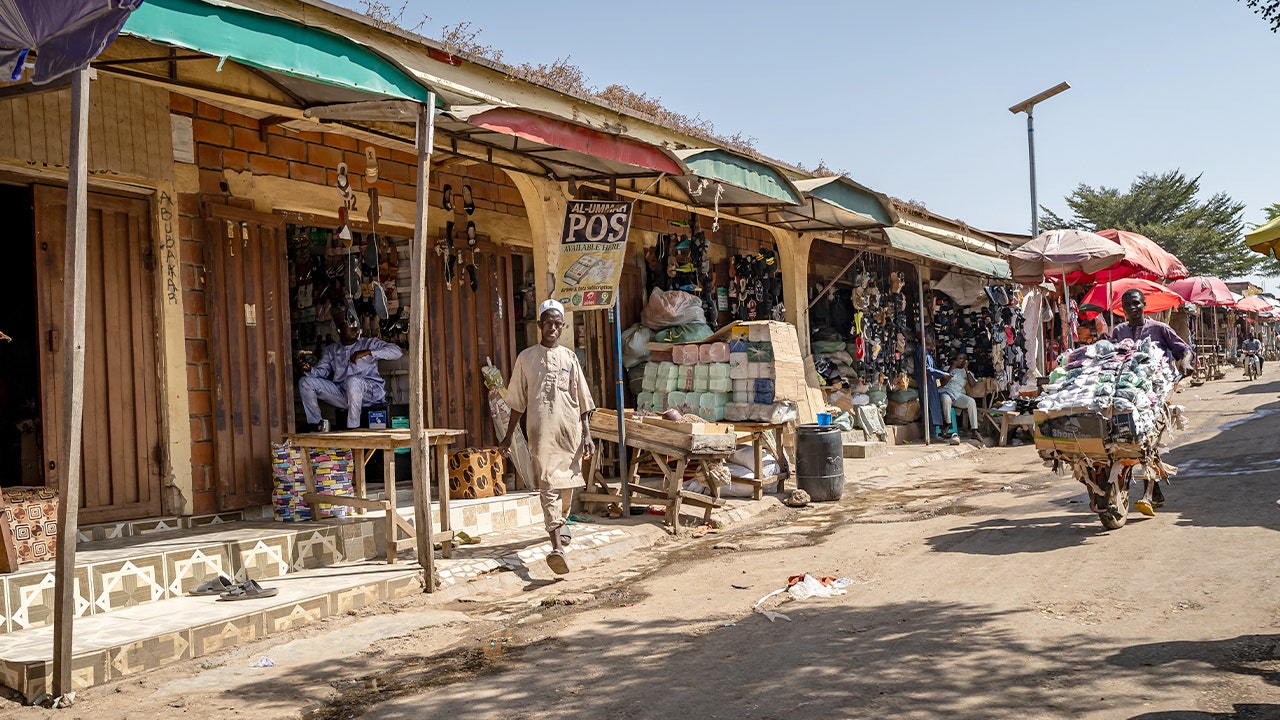
In a devastating display of the ongoing security crisis in Nigeria, armed attackers raided a rural market in Demo village in central Nigeria’s Niger state on Saturday, leaving over 30 people dead and an undetermined number kidnapped. The assault on Daji market, which began around 4:30 p.m., saw gunmen arriving on motorcycles before opening fire indiscriminately on villagers, burning market stalls, and seizing food supplies in their wake. This attack represents just the latest in a pattern of violence that has plagued the region, with witnesses reporting that the gunmen had already conducted raids in neighboring villages of Agwarra and Borgu beginning the previous day.
The human toll of this violence was captured in the words of Dauda Shakulle, who was wounded while attempting to flee the attackers. “There has been no presence of security forces since the attacks began,” he told reporters, adding with grim resignation, “We are currently recovering corpses.” His account painted a particularly horrifying picture of the attack, noting that the gunmen showed no mercy even to women and children. Such testimonies highlight not only the brutality of these assaults but also the perceived absence of adequate security responses, leaving rural communities feeling abandoned and vulnerable in the face of organized armed groups that operate with seeming impunity across Nigeria’s central regions.
This market attack comes against a backdrop of escalating mass kidnappings throughout Nigeria, which have increasingly targeted educational institutions. In November, 25 girls were abducted from a boarding school in Kebbi State, while earlier, more than 300 children and 12 teachers were seized from St. Mary’s Private Catholic School, also in Niger state. While the Catholic Sisters of Our Lady of Apostles later confirmed the safe release of those taken from St. Mary’s, these incidents reflect a troubling pattern where educational facilities have become prime targets for armed groups seeking leverage for ransom demands or to demonstrate their power and reach. The psychological impact on communities, particularly on children whose education is disrupted by the constant threat of violence, creates long-lasting trauma that extends beyond the immediate victims.
The security crisis has broader implications beyond the immediate loss of life and freedom. The United Nations World Food Programme has warned that the growing insecurity and insurgent violence in northern Nigeria are driving hunger to unprecedented levels, with projections indicating nearly 35 million people will face severe food insecurity during the 2026 lean season. This creates a dangerous cycle where violence disrupts agricultural activities and market operations, leading to food shortages that, in turn, make vulnerable populations more susceptible to recruitment by insurgent groups or forced to migrate to urban centers that lack infrastructure to support sudden population influxes. The burning of market stalls and seizure of food supplies in the Daji market attack exemplify how armed groups deliberately target food security as a tactic of control.
The Nigerian government faces mounting pressure to address this multifaceted crisis that combines elements of rural banditry, ethnic tensions, jihadist insurgencies, and criminal enterprise. Previous administrations, including international partners like the Trump administration, have attempted to address these issues through various security operations and aid-related leverage to curb violence, particularly that targeting Christian communities in certain regions. However, the persistence of attacks like the one in Demo village suggests that current approaches have been insufficient to restore security to Nigeria’s vulnerable rural areas. Local communities increasingly find themselves caught between armed groups demanding “protection money” or resources and security forces that are either absent, overwhelmed, or in some cases, viewed with suspicion due to allegations of human rights abuses.
The international community’s role in addressing Nigeria’s security crisis remains complex and often contested. While foreign governments and international organizations provide security assistance, humanitarian aid, and diplomatic pressure, the effectiveness of these interventions is limited by the multidimensional nature of the violence and its deep roots in regional historical grievances, economic inequalities, and environmental pressures. As climate change exacerbates competition for arable land between farmers and herders across Nigeria’s Middle Belt, traditional tensions have evolved into more militarized conflicts involving organized criminal networks. For the people of Demo village and countless other communities across Nigeria, international expressions of concern offer little immediate comfort as they bury their dead, search for kidnapped loved ones, and attempt to rebuild shattered local economies with little confidence that the next attack isn’t imminent. Their resilience in the face of recurring violence speaks to the extraordinary human capacity to endure, but also stands as an indictment of both national and global failures to protect vulnerable populations from preventable suffering.