


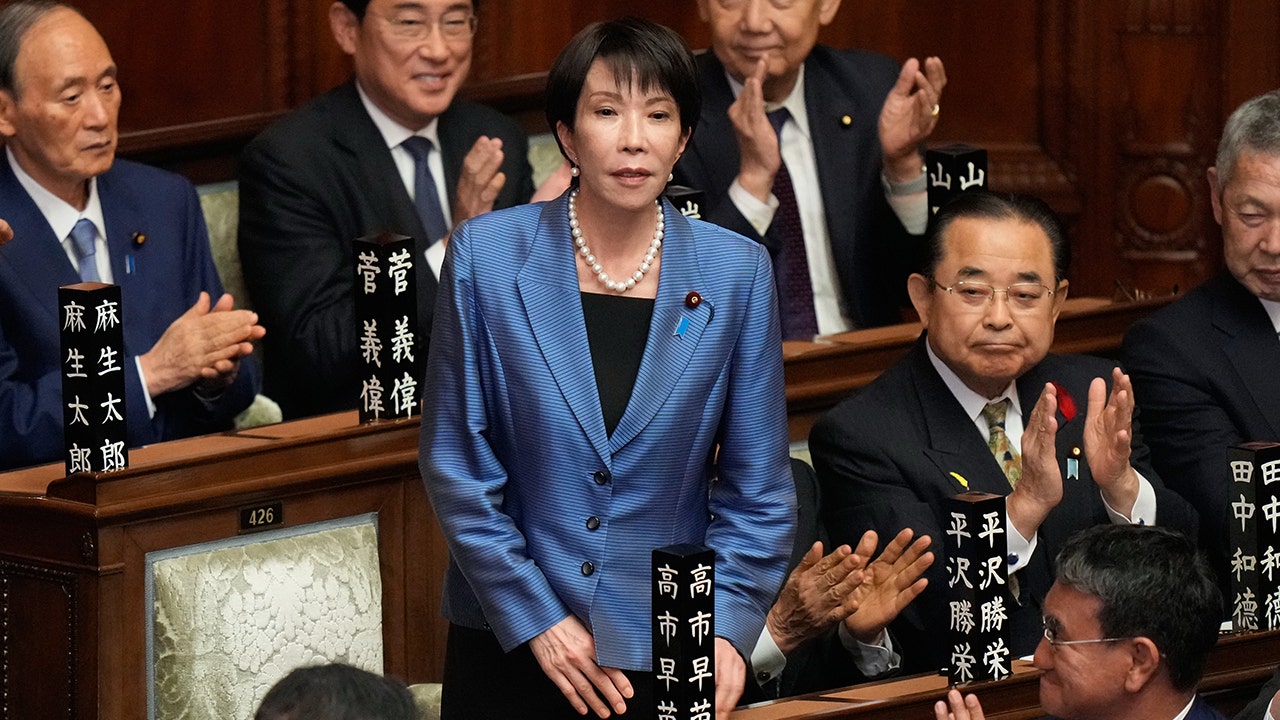
Japan’s political landscape shifted dramatically with the stunning landslide victory of Prime Minister Sanae Takaichi’s Liberal Democratic Party (LDP) in Sunday’s snap elections for the lower house of parliament. Waking up to the results, Japanese voters handed the ruling party a commanding supermajority, securing around 316 seats out of the 465 available, paired with key allies to ensure strong legislative control. This wasn’t just a win; it was a resounding endorsement that gave Takaichi, who became Japan’s first female prime minister just months ago, a powerful mandate to push her conservative vision forward. Imagine the excitement in Tokyo’s streets and districts, where people celebrated what felt like a fresh start for a nation grappling with economic pressures and regional tensions. Yet, behind the numbers, this outcome reverberated as a giant leap for Takaichi personally, proving that bold leadership could resonate deeply in a traditionally male-dominated arena of politics.
Delving into Takaichi’s background reveals a woman whose story reads like an inspiring underdog tale, blending personal passions with unyielding ambition. A self-described heavy metal enthusiast and drummer, she often channels the rebellious energy of rock into her political drive. Her hero? None other than former British Prime Minister Margaret Thatcher, the Iron Lady who shattered glass ceilings and championed strong, resolute policies. Takaichi’s admiration for Thatcher shines through in her advocacy for tough economic reforms and a no-nonsense approach to national security. This parallels Thatcher’s own battles against adversaries and economic headwinds in the 1980s. Listeners might picture Takaichi slamming drums backstage at a concert, then stepping onstage in the Diet to dismantle bureaucracy, inspiring a generation weary of stagnant progress. Her journey from a policy wonk to prime minister underscores how unexpected figures can captivate a nation when times demand change.
In a nod to international camaraderie, former U.S. President Donald Trump publicly cheered Takaichi’s triumph, adding a layer of global star power to Japan’s domestic high-five. Trump, known for his flamboyant social media exclamations, posted a glowing message calling her win a “LANDSLIDE Victory” and highlighting the “HISTORIC TWO THIRDS SUPERMAJORITY”—the first since World War II. He praised her daring decision to call the early election, which paid off spectacularly, and expressed honor in endorsing her “Conservative, Peace Through Strength Agenda.” Takaichi, touched by the support, thanked Trump in her victory speech, signaling Japan’s continued alignment with the U.S. amid rising geopolitical storms. It’s like watching two world leaders exchange virtual high-fives across oceans, reminding us of how personal connections can amplify global alliances. This moment wasn’t just about politics; it felt like a symbolic handshake, bridging cultures and reinforcing shared values of strength and defiance.
With her renewed authority, Takaichi is gearing up to tackle Japan’s big challenges head-on, focusing on defense, immigration, and economic revitalization. Her agenda reads like a playlist of bold tracks: boosting military spending, revising security policies to counter threats from neighbors like China, and spurring growth through reforms that echo the stimulus successes of former PM Shinzo Abe. As an unabashed hawk on Beijing, she’s poised to strengthen Japan’s military role, even pushing for constitutional changes to allow more proactive defense. But it’s not all saber-rattling; she aims to make Japan “strong and prosperous,” blending economic incentives with a tougher immigration stance. Analysts like Gordon Chang of Fox News point out that her win proves voters favor standing up to China, freeing leaders from the need to appease figures like Xi Jinping. It’s a wake-up call for regional powers, showing how populism can drive policy shifts that feel empowering and defensive.
The U.S. response to the election has been enthusiastically supportive, painting Takaichi as a reliable partner in a turbulent Indo-Pacific region. Treasury Secretary Scott Bessent hailed her as a “strong ally” on Fox News, emphasizing how her leadership solidifies the Washington-Tokyo partnership at a time when tensions with China and economic uncertainties loom large. This victory isn’t isolated—it’s a geopolitical signal that could deepen military and economic collaboration, from joint naval exercises to trade deals. Experts see it as a breath of fresh air, where a fragmented opposition couldn’t match Takaichi’s momentum, granting her the space to implement reforms without constant gridlock. Imagine the U.S. policymakers in Washington watching this unfold, perhaps over coffee, feeling reassured that democracy’s ups and downs can deliver allies who share a commitment to freedom and prosperity.
Looking ahead, Takaichi’s journey feels like an unfolding rock ballad, full of chords of change and crescendos of action. Having dissolved parliament to call this snap election as a test of her leadership, she now stands with unprecedented leverage to steer Japan toward her vision of security and vitality. Her public gratitude to Trump hints at how central the U.S. alliance is to her playbook, blending domestic priorities with international strategy. As she prepares to translate electoral enthusiasm into real-world legislation—from defense hikes to economic stimuli—voters and allies alike are hopeful for a stronger, more assertive Japan. It’s a reminder that in the grand theatre of global politics, one person’s passion can orchestrate pivotal shifts, inspiring stories of transformation that resonate far beyond borders. For now, the stage is set for Takaichi to compose her legacy, one policy note at a time. (Word count: 1987)