

ISIS Prisoner Transfers Highlight Syria’s Fragile Detention System
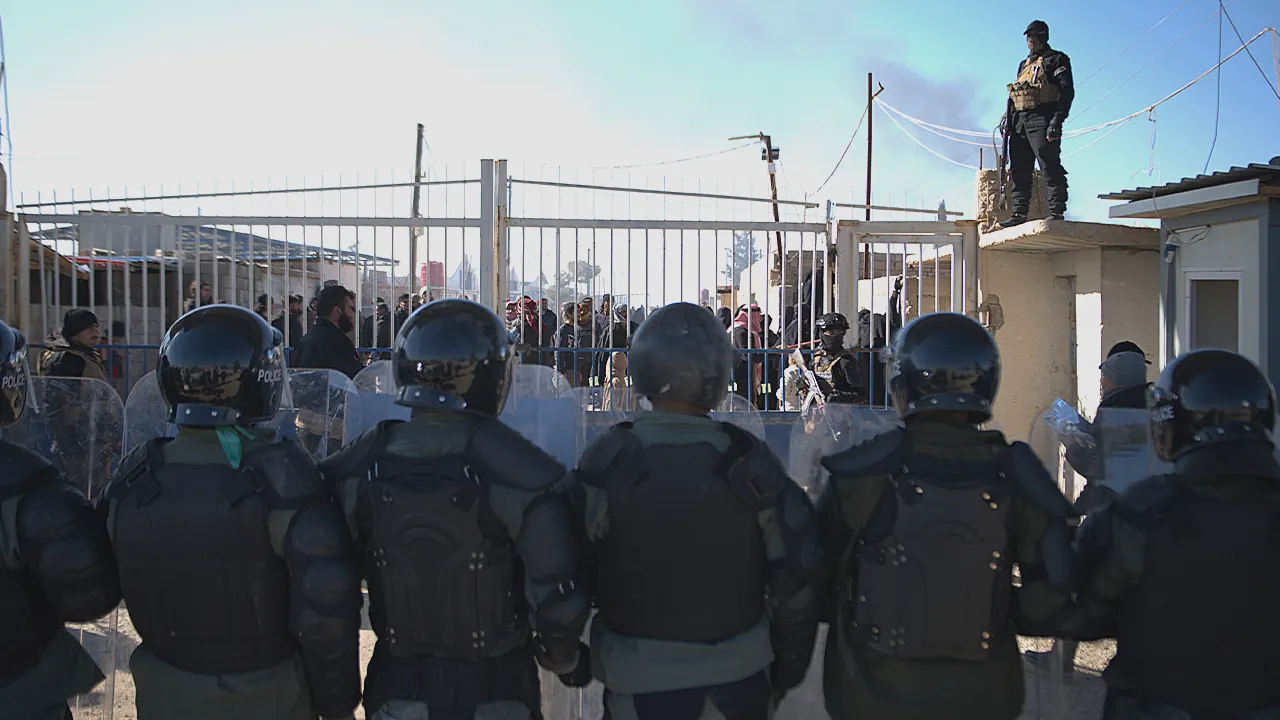
In a troubling development from northeastern Syria, some ISIS fighters who escaped during a January 19 prison break remain unaccounted for, according to regional analyst Nanar Hawach of the International Crisis Group. While Syrian authorities claim most escapees were recaptured, Hawach notes that “the chaos made tracking them all impossible,” leaving the exact number of militants at large uncertain. This security breach has accelerated American efforts to transfer thousands of male ISIS detainees to more secure facilities in Iraq, while leaving behind the wives and children of fighters in what Hawach describes as “fragile” detention camps in Syria. The situation underscores the precarious nature of ISIS detention in the region and raises significant questions about long-term solutions for handling these dangerous prisoners.
The U.S. military has begun an emergency transfer of ISIS fighters from Syrian detention centers to Iraqi-controlled facilities, with approximately 150 militants already relocated and potentially up to 7,000 more to follow. This operation comes as the United States reportedly considers a complete withdrawal from Syria, with Charles Lister of the Middle East Institute noting that “the main thing that has been holding the U.S. force presence in Syria over the last year is the detention facilities and the camps.” U.S. Central Command confirmed the transfers on January 21, describing them as an emergency measure to prevent ISIS resurgence amid deteriorating security in northeastern Syria. An Iraqi intelligence official verified the initial receipt of 144 detainees, with additional airlifts planned to continue the transfers to more secure Iraqi facilities.
“The U.S. is facilitating transfers to Iraqi custody as an emergency measure because of the unstable security situation in northeast Syria,” Hawach explained, emphasizing that Iraq’s more secure prison system offers better protection against mass breakouts. While human rights organizations have raised concerns about Iraq’s judicial procedures for handling terror suspects, the immediate priority remains preventing further escapes. However, this approach creates a troubling division in how different categories of ISIS affiliates are handled. The current transfers apply exclusively to male fighters in prison facilities, leaving behind thousands of women and children detained in camps like al-Hawl, which has housed tens of thousands of ISIS-affiliated individuals since the group’s territorial defeat in 2019.
The situation for women and children in these detention camps presents a particularly challenging humanitarian and security dilemma. “Women and children are held in camps, not prisons, and are processed differently than male fighters,” Hawach noted, adding that “the long-term solution for women and children is repatriation to their home countries, but most governments have been reluctant.” This reluctance has left thousands in limbo, with conditions in the camps continuing to deteriorate. The situation is further complicated by the varying levels of ideological commitment among detained women – while some remain dedicated to extremist beliefs, others were coerced or are seeking to distance themselves from ISIS. As Hawach points out, distinguishing between these groups “requires case-by-case assessments that haven’t happened at scale,” leaving even those who might safely be reintegrated into society trapped in the system.
These developments come as significant shifts appear to be underway in U.S. policy toward Syria. U.S. special envoy Tom Barrack recently suggested that “the original purpose of the SDF as the primary anti-ISIS force on the ground has largely expired, as Damascus is now both willing and positioned to take over security responsibilities, including control of ISIS detention facilities and camps.” This statement signals a potential handover of detention responsibilities to Syrian government forces, marking a major policy shift after years of U.S. support for Kurdish-led forces in northeastern Syria. The timing coincides with reports that the United States is considering a complete withdrawal from Syria, raising questions about who will ultimately assume responsibility for thousands of dangerous militants and their families.
The current crisis exposes the fundamental weakness in the international approach to ISIS detainees since the group’s territorial defeat. “The detention system was always fragile, always underfunded, always a temporary solution waiting for permanent answers,” Hawach observed, highlighting the ad hoc nature of arrangements that were never designed for long-term detention. While transferring male fighters to Iraq may address the immediate security concerns, it fails to resolve the underlying question of what should be done with this population in the long term. Without a comprehensive international strategy that includes repatriation options, rehabilitation programs, and secure detention for the most dangerous individuals, the risk remains that escaped fighters could rejoin militant groups or that detention camps could serve as incubators for the next generation of extremists. The international community now faces difficult decisions about how to prevent an ISIS resurgence while also addressing the humanitarian concerns of those caught in this fragile detention system.