


U.S. Intensifies Fight Against ISIS in Syria: A Persistent Threat Remains
In a significant escalation of counterterrorism efforts, U.S. and partner forces have eliminated or captured nearly 25 Islamic State operatives in Syria during the final days of December 2023. Following the major “Operation Hawkeye Strike” on December 19—a coordinated U.S.-Jordanian campaign that struck over 70 ISIS targets with more than 100 precision munitions—allied forces conducted 11 follow-up missions between December 20-29. These operations resulted in seven ISIS members killed, several others captured, and the destruction of four weapons caches. CENTCOM Commander Admiral Brad Cooper emphasized the unwavering commitment to this fight, stating, “We will not relent” in efforts to dismantle ISIS networks that threaten both U.S. and regional security. This recent surge in military activity underscores what military leaders have been warning about: despite losing its territorial “caliphate,” ISIS remains dangerously capable of organizing, striking, and regenerating within Syria’s fractured security landscape.
Syria’s divided governance creates a perfect environment for ISIS to persist and evolve. The country remains fragmented among competing forces, militias, and foreign-backed armed groups, with no single authority exercising complete control over large regions. This power vacuum provides ISIS cells the space they need to operate quietly, recruit new members, and exploit the limitations of overstretched local forces. Syria’s current security environment is further complicated by former jihadist networks that were never fully dismantled after the civil war. The transitional leadership, including President Ahmed al-Sharaa, emerged from armed Islamist factions that relied heavily on foreign fighters and militias. While these groups aren’t identical to ISIS, security experts point out that the incomplete dismantling of extremist networks has created vulnerabilities that ISIS continues to exploit with devastating effectiveness.
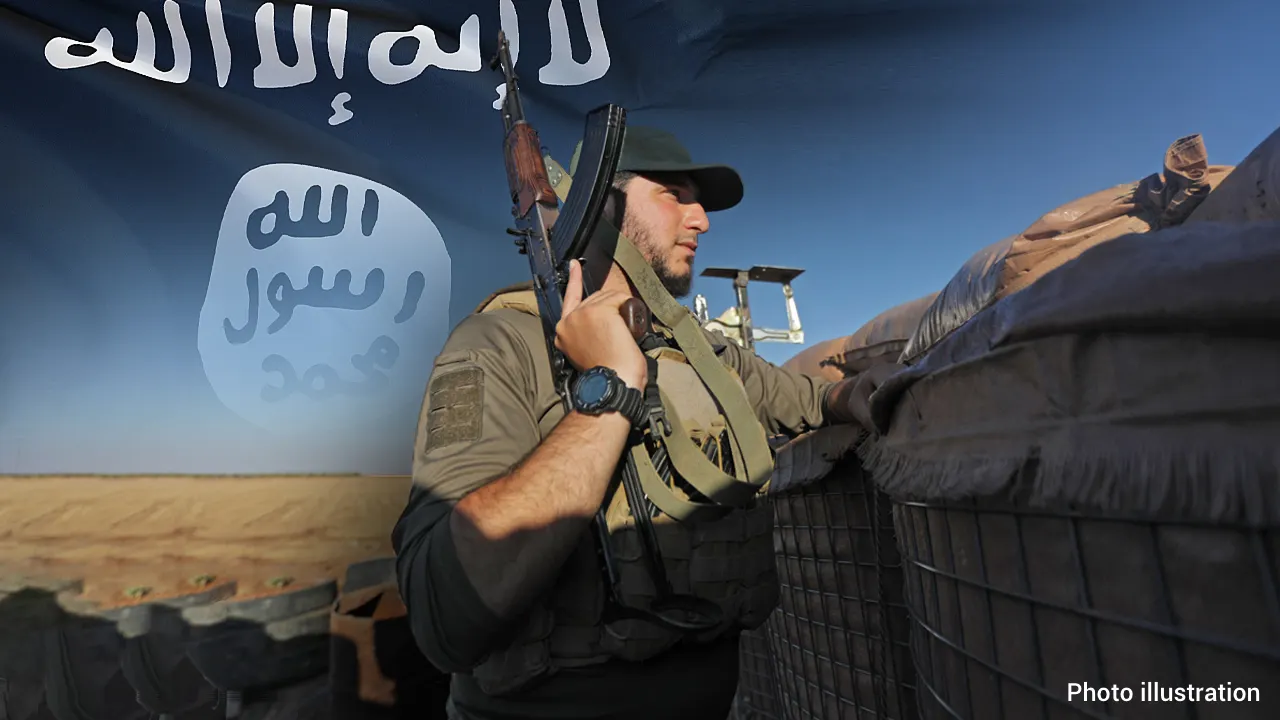
The nature of the ISIS threat has transformed rather than disappeared. As counterterrorism expert Bill Roggio explained to Fox News Digital, “ISIS today doesn’t need a caliphate to be dangerous. We’ve always been quick to declare terrorist organizations defeated and insignificant, and that couldn’t be further from the truth.” Instead of holding territory, ISIS has adapted to operate through smaller, more covert cells capable of carrying out deadly attacks across multiple regions. The group remains active not only in Syria and Iraq but also in Afghanistan and other areas. United Nations reports estimate approximately 2,000 ISIS fighters remain active in Afghanistan alone, demonstrating the group’s continued ability to recruit, indoctrinate, and inspire attacks even without the visibility it once maintained. As Roggio bluntly states, “That’s not what a defeated group looks like.”
Perhaps the most alarming vulnerability in the ongoing counterterrorism effort involves the detention facilities in northeastern Syria that hold thousands of ISIS terrorists and supporters. These prisons are primarily guarded by Kurdish-led forces supported by approximately 1,000 U.S. troops. Security officials have repeatedly warned that any significant disruption to prison security could allow hardened ISIS operatives to escape and rebuild networks throughout Syria and beyond. Kurdish officials have expressed growing concerns about funding shortages, personnel strain, and pressure from rival militias operating nearby. The risk is not theoretical—ISIS has previously orchestrated massive prison breaks in Syria and Iraq, including a 2022 assault on al-Sinaa prison in Hasakah that required days of fighting to contain. This persistent threat of prison breaks represents one of the most immediate dangers in the ongoing struggle against ISIS resurgence.
The continued instability inside Syria further complicates counterterrorism efforts. Multiple armed actors operate with overlapping authority, creating a complex security environment where ISIS can exploit gaps in coordination and control. Clashes among militias, sectarian violence, and unresolved command structures have weakened overall security and diverted attention from focused counterterrorism operations. Recent bombings in Damascus neighborhoods and unrest in minority areas illustrate the security gaps that ISIS and other extremist groups can exploit. As Roggio succinctly put it, “Syria’s chaos is the accelerant. ISIS thrives where no one is fully in charge.” Intelligence sources from various agencies, including Israel’s Mossad, have indicated ongoing ISIS-linked activity across multiple theaters, including recruitment networks and small-scale attacks designed to test security responses and maintain operational relevance. Similar concerns have emerged in neighboring Turkey, where security forces recently clashed with Islamic State militants during counterterrorism operations.
The renewed U.S. military action raises difficult questions about the sustainability of the current containment strategy. While U.S. officials maintain that the December strikes delivered a significant blow to ISIS infrastructure, they acknowledge that military operations alone cannot eliminate the underlying conditions allowing the group to persist. The challenge facing policymakers is how to address not just the symptoms but the root causes of extremism in a region plagued by weak governance, sectarian divisions, and economic instability. As ongoing operations demonstrate, ISIS remains adaptable and resilient despite years of military pressure. “Just because we want to declare the war against terror over doesn’t mean it’s over,” Roggio warned, adding, “The enemy gets a vote.” This stark assessment highlights the reality that despite significant counterterrorism successes, ISIS continues to pose a persistent threat requiring sustained attention and resources from the United States and its regional partners. The recent operations represent not an end but another chapter in what remains a long-term security challenge for the region and the world.