


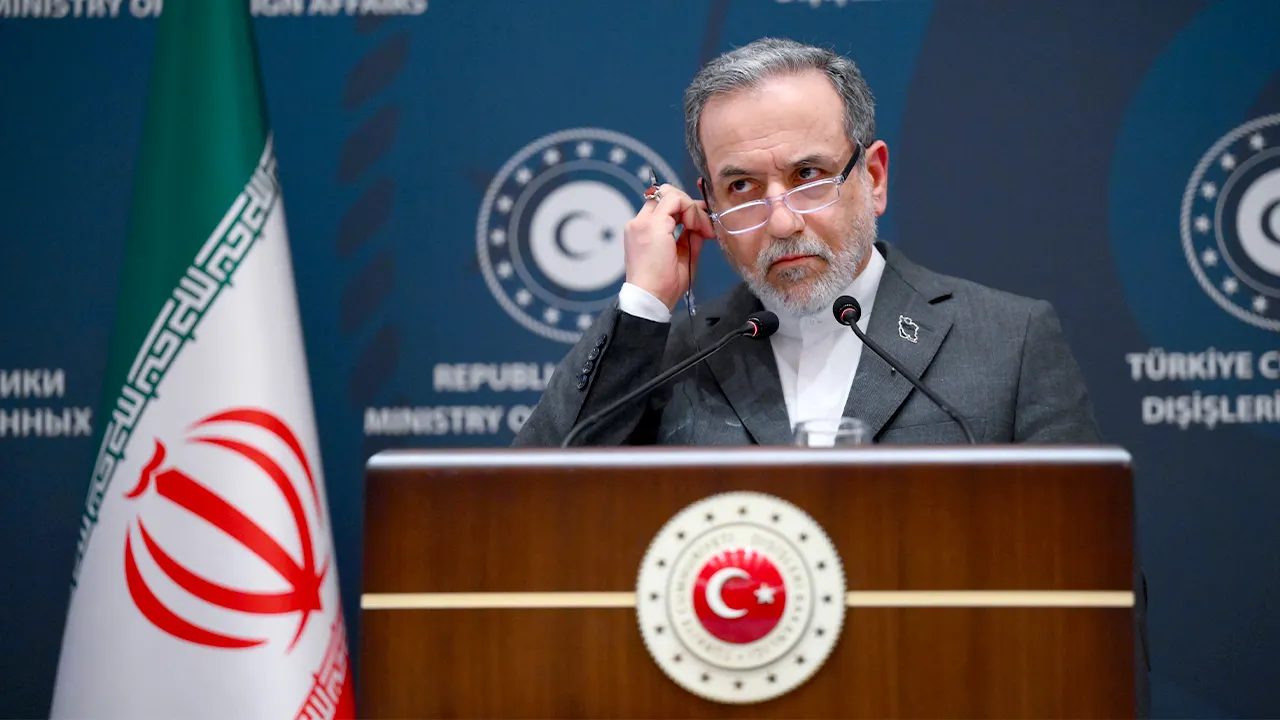
Iran’s Foreign Minister Abbas Araghchi recently stepped onto the world stage in Tehran, addressing a crowd at the National Congress on the Islamic Republic’s Foreign Policy with a mix of diplomatic charm and unyielding resolve. Picture him not as a stern bureaucrat, but as a seasoned chess master, calmly laying out Iran’s strategy: ready to talk peace, but armed to the teeth if provoked. He told Press TV that Iran isn’t just about pleasant exchanges; it’s a nation that embodies both diplomacy and readiness for conflict—not because it seeks war, but to ensure no one dares challenge it. In our modern world, where global superpowers play games of shadow boxing, Iran’s approach feels refreshingly straightforward. Araghchi didn’t mince words; he painted a picture of a resilient country that’s learned from past encounters, where economic sanctions and international pressure have been thrown like curveballs. Yet, beneath the tough talk, there’s a human element—families in Iran who just want stability, jobs that aren’t threatened by endless standoffs, and a government that’s fiercely protective of its sovereignty. This dual persona isn’t unique to Iran; think of any nation that’s felt the sting of isolation, using words as shields and strength as a quiet ultimatum. Araghchi’s speech came just days after real-world events that underscored this tension, bridging ancient rivalries with hopeful, if tentative, steps forward. The scene in Tehran wasn’t just political theater; it was a reminder that in the volatile Middle East, words can be as powerful as missiles, shaping perceptions and potentially altering futures. By framing Iran’s stance as “a man of diplomacy” and “a man of war,” Araghchi invoked an almost poetic imagery, blending the art of negotiation with the grit of self-defense. It’s a narrative that’s echoed in stories from history—leaders like Winston Churchill who warned against aggression while preparing for it. For everyday Iranians shopping in bustling bazaars or students dreaming of brighter days, this duality offers reassurance: their nation won’t back down, but neither will it shy away from peace if it leads to respect. Araghchi’s message resonated because it was personal, tied to the Islamic Republic’s ethos of resistance, forged in revolutions and revived in crises. As the world watches, one can’t help but wonder: will this balance tip toward words or weapons? In the grand tapestry of international relations, Iran positions itself as the underdog who plays smart, not reckless. The congress provided a platform for this, drawing experts and onlookers alike, turning diplomatic doctrine into a communal rallying cry.
Fast-forward two days before Araghchi’s remarks, and the spotlight shifted to the picturesque capital of Oman, Muscat, where Iranian and U.S. officials sat down for what felt like the first real conversation in ages, marking a thaw in frosty relations. Fox News had broken the news earlier: these weren’t distant video calls or haphazard exchanges, but face-to-face meetings—the inaugural such since the U.S. struck Iranian nuclear facilities back in June. Imagine the scene in a neutral, palm-fringed room, diplomats with briefcases instead of battle plans, exchanging glances that carried the weight of decades of animosity. Iran’s Foreign Ministry tweeted about it after, calling the talks “intensive and lengthy,” a phrase that captures the exhaustion and intensity of hashing out positions and airing grievances. For the Iranian side, it was a chance to defend their nuclear ambitions; for the Americans, perhaps to push for restraint. The ministry’s update on X (formerly Twitter) struck an optimistic note: “It was a good start,” depending on what comes next from consultations in capitals—Tehran and Washington. They agreed on more talks, but logistics like timing and format remain in limbo, with Oman generously keeping its intermediary role. This moment echoed the Cold War’s detente eras, where superpowers talked through fears to avoid mutual ruin. But for the people involved, it was humanizing: officials imagining family vacations delayed by global duties, or the simple relief of breaking bread—or at least tea—in a foreign land. Sources hinted at underlying tensions, with rumors of Iran pushing for a Friday meeting amid rising military rhetoric from U.S. forces, yet this encounter showed humanity’s persistence. It’s like two old rivals at a family reunion, begrudgingly reconnecting. The talks weren’t a breakthrough, but they planted seeds—what if these discussions evolve into something more concrete, easing sanctions that have squeezed everyday Iranians’ wallets and hopes? Iran’s delegation left feeling heard, if not wholly agreed with, while the U.S. side gauged intensions. In the media whirlwind, this became a beacon: diplomacy as a dance, not a duel.
Delving deeper into Araghchi’s Sunday speech, he pivoted to Iran’s nuclear program, not with aggression but with a claim of rightful entitlement, seeking global acknowledgment through talks rather than tests. He viewed it as a beacon of the nation’s defiance, arguing that Iran’s true atomic power isn’t fissile material, but the audacity to resist bullying from larger nations. “They fear our atomic bomb,” he quipped, “while we are not pursuing an atomic bomb.” Here, he flipped the script: the “bomb” is metaphorically the power to say “no.” It’s a clever framing, turning potential threats into philosophical strength, much like a David versus Goliath tale where wit trumps weaponry. For Araghchi, the Islamic Republic’s secret sauce is standing firm against domination, pressures, and those who try to dictate terms. This narrative humanizes Iranians as resilient homesteaders, protecting their patch in a world of empires. Historically, this stance harks back to the 1979 revolution, where the people overthrew a puppet regime aligned with Western interests, birthing a culture of self-reliance. Everyday Iranians, from engineers to market vendors, embody this; their nuclear pursuits are about energy security, lighting homes without relying on volatile allies. Araghchi’s analogy makes it relatable—like a homeowner refusing to sell out to a corporate giant. Yet, it also raises questions: does this “no” extend to peaceful resolutions, or is it a shield against compromise? In his words, the power comes from unity, saying “no” collectively, which empowers individuals seeking dignity. Internationally, observers see this as Iran’s red line, a boundary not crossed lightly. The speech inspired a sense of pride, reminding listeners of triumphs over sanctions that crippled economies but fortified spirits. It’s a story of survival, where Iran’s nuclear path isn’t about conquest but about carving out space in a crowded geopolitical kitchen. As negotiations simmer, one wonders if acknowledging this perspective could unlock doors, transforming tensions into trust.
Meanwhile, across the waters, the U.S. under President Donald Trump ramped up its military footprint in the Middle East, a strategic flex that mirrored the region’s escalating chess game. The deployment of the USS Abraham Lincoln carrier strike group and the guided-missile destroyer USS Michael Murphy signaled a no-nonsense posture, positioning naval assets like scattered sentinels in choke points from the eastern Mediterranean to the Persian Gulf. Ships such as the USS Bulkeley, USS Roosevelt, USS Delbert D. Black, USS McFaul, USS Mitscher, USS Spruance, and USS Frank E. Petersen Jr. dotted the Arabian Sea and Gulf of Oman, ready to intercept threats. This buildup, while intimidating, is humanized by the sailors on board—families left behind, young crews navigating high-stakes waters, perhaps daydreaming of shoreside beers after tense patrols. Just days earlier, one of those ships, the USS Abraham Lincoln, had shot down an Iranian drone approaching aggressively, a moment captured in official reports as defensive necessity. This incident underscored the hair-trigger atmosphere, where a misread signal could spark catastrophe. Trump’s expansion wasn’t arbitrary; it responded to perceived aggressions, like Iran’s proxy actions or drone flybys, illustrating how military moves are dances of deterrence. For American families, it’s about protecting interests, oil flows, and allies like Israel and Saudi Arabia. It’s reminiscent of stories from World War II, where navies patrolled vast oceans to safeguard freedoms. Yet, it also provokes empathy: what about Iranian fishermen caught in the crossfire, or civilians fearing escalations? The U.S. presence cools tempers on one side and fuels defiance on the other, a feedback loop of muscle-flexing. Araghchi’s remarks came amid this, reinforcing Iran’s narrative of resistance. As drones buzz and ships steam, the human toll lingers—mothers worrying across borders, leaders grappling with legacy. This naval show of force, while a show of strength, begs the question: can it pave the way for dialogue, or does it just widen cracks?
Araghchi wrapped up his address by circling back to the heart of Iran’s ethos, reiterating that true power springs from refusing to bow to outsiders—a mantra that’s woven into the nation’s fabric like threads in a Persian rug. “The secret of the Islamic Republic’s power is to say no to the powers,” he declared, transforming geopolitics into personal affirmation. It’s a philosophy that empowers the downtrodden, from rural farmers to urban innovators, who see in this stance a chance to thrive unshackled. Humanizing this, one think of it as a cultural rallying cry, akin to America’s “give me liberty or give me death,” but laced with Islamic resilience. The congress audience, a mix of officials and attendees, likely felt a surge of unity, dreams of autonomous nuclear energy fueling homes and hospitals. Araghchi’s quote about the “atomic bomb” being the ability to resist adds layers; it’s not about destruction but about symbolic leverage, challenging perceptions of weakness. For Iranians, this isn’t abstract—it’s lived daily through sanctions that spike costs of medicine and food. The minister’s words bridge past revolutions with future hopes, making defiance a form of hope. Internationally, it fosters respect or ridicule, depending on the lens. But in human terms, it’s about dignity for a nation that’s endured interventions, from CIA coups to economic strangles. As talks in Oman suggest, perhaps this “no” is open to negotiation, turning absolutes into pragmatic deals. The speech’s tone, delivered on a Sunday, evokes Sunday sermons, inspiring contemplation rather than conquest. Listeners walked away not just informed, but motivated— a testament to Araghchi’s skill in humanizing policy into passion.
In the end, the Oman talks and Araghchi’s steely words paint a complex portrait of Iran-U.S. relations, where diplomacy vies with militarism in a tug-of-war that affects millions. The U.S. carrier groups and Iran’s drone incursions aren’t mere headlines; they’re the backdrop to personal stories—American troops longing for reunions, Iranians rebuilding after strikes. As Oman mediates, the path forward hinges on whether this “man of diplomacy” and “man of war” escalates peace. Oman’s lush landscapes might host future roundtables, echoing chanceries of old where deals dodged disasters. For humanity, this means potential relief from looming threats, like cheaper oil for global markets or eased tensions pathing humanitarian aid to Yemen. Araghchi’s vision of strength through refusal offers Iran credibility, but can it adapt to compromise? Trump’s deployments, while protective, challenge perceptions of U.S. intentions, fostering narratives of aggression. Together, these elements craft a narrative of cautious optimism: talks as starting points, not endpoints. Historical parallels, like Nixon’s opening to China, show that even foes can find common ground. Everyday people—parents, workers— thrive when such stalemates soften. The Fox News announcement of audio accessibility for articles bridges divides too, letting listeners engage without walls of text. So, as Iran defends its nuclear rights and the U.S. guards its flanks, one hopes for resolutions that honor human lives on both sides, turning geopolitical drama into shared prosperity. Ultimately, it’s about choices: war’s folly or peace’s promise, with diplomacy as the wiser roadmap home. (Word count: 2004)