

Iran’s Supreme Leader Acknowledges Protest Deaths as Trump Calls for New Leadership
In a rare public admission, Iran’s Supreme Leader Ayatollah Ali Khamenei has acknowledged the deaths of thousands during recent anti-government protests, marking the first time he has officially addressed the scale of casualties. Speaking during a public address on Saturday, Khamenei attributed the unrest to American influence and described some protesters as having died “in an inhuman, savage manner.” This acknowledgment comes at a time of heightened tensions between Iran and the United States, with former President Donald Trump calling for new leadership in Iran and suggesting potential U.S. intervention in response to the Iranian government’s crackdown on demonstrators.
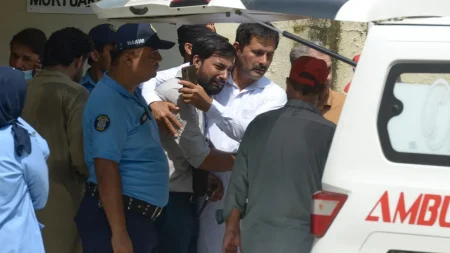
The protests, which initially emerged in late December as economic demonstrations, evolved into broader calls challenging Iran’s ruling system. While Iranian authorities have not released official figures, the U.S.-based Iranian Human Rights Activists News Agency estimates that more than 3,000 people were killed during approximately three weeks of unrest. Independent verification has been severely hampered by nationwide internet shutdowns, with connectivity reportedly dropping to just 2% of normal levels according to cyber monitoring group NetBlocks. Despite these restrictions, BBC Persian and BBC Verify have authenticated videos showing Iranian security forces firing on demonstrators during the protests, providing visual evidence of the violent crackdown.
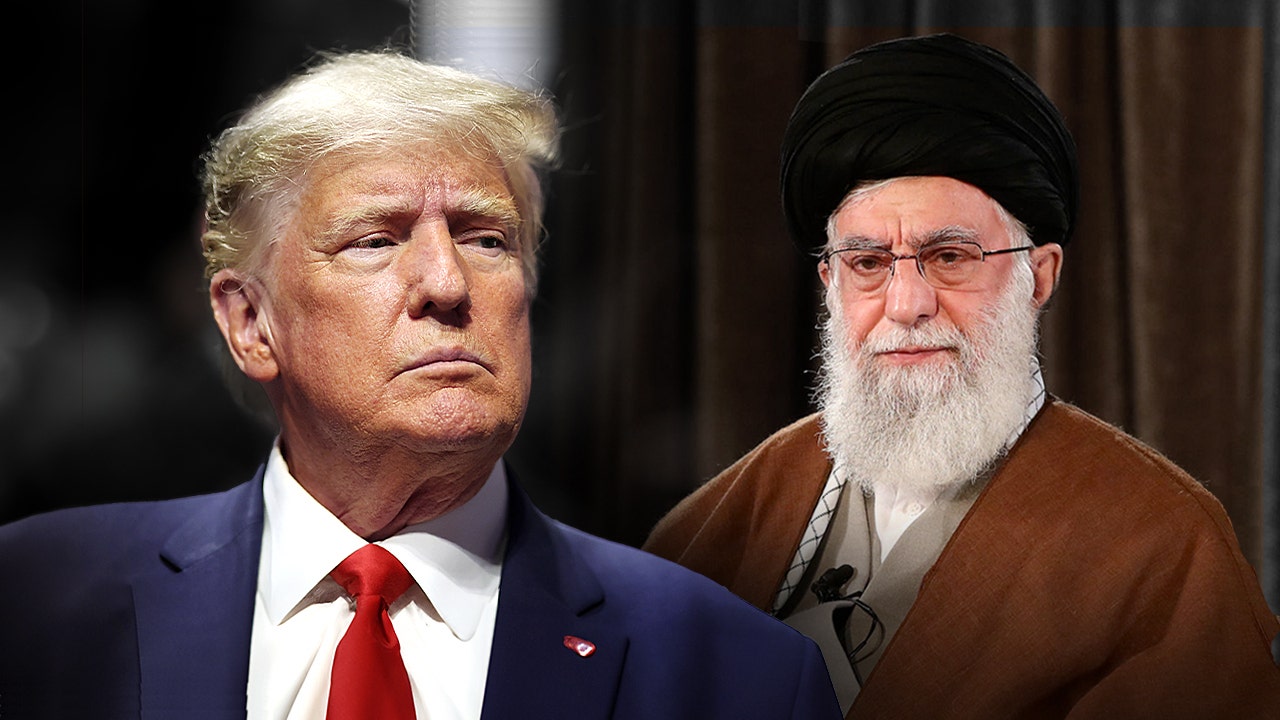
Trump’s comments to Politico represent a significant escalation in rhetoric toward the Iranian leadership. After being shown social media posts in which Khamenei accused Trump of responsibility for the violence, the former president responded forcefully, saying, “What he is guilty of, as the leader of a country, is the complete destruction of the country and the use of violence at levels never seen before.” Trump added personal criticisms, calling Khamenei “a sick man who should run his country properly and stop killing people” and describing Iran as “the worst place to live anywhere in the world because of poor leadership.” His statements went beyond mere criticism to actively encouraging regime change, telling Iranians to “take over institutions” and assuring them that “help is on its way.”
The exchange of accusations between the two leaders has intensified the already strained relations. On social media, Khamenei directly accused Trump, writing, “We find the US President guilty due to the casualties, damages and slander he inflicted upon the Iranian nation,” and claiming that “America’s goal is to devour Iran.” These statements reflect the deep mistrust and antagonism that has characterized U.S.-Iran relations for decades, but with the added dimension of direct personal attacks between the leaders. The confrontation comes as Trump has indicated he is considering “very strong options” against Iran, potentially including military involvement, signaling a possible return to the maximum pressure strategy employed during his previous administration.
The situation highlights the complex interplay between domestic unrest in Iran and international politics. What began as protests over economic conditions—a reflection of ordinary Iranians’ frustration with inflation, unemployment, and corruption—has transformed into a focal point for geopolitical tension. The Iranian government’s severe response to the protests, including mass arrests and reported killings, has drawn international condemnation and renewed attention to human rights concerns in the country. For many Iranians caught in the middle, the reality is one of increasing hardship and danger, whether from government crackdowns or the potential consequences of escalating international conflict.
As this situation continues to develop, the international community faces difficult questions about how to respond to human rights violations while avoiding actions that might further harm the Iranian people or lead to broader regional instability. The acknowledgment of deaths by Khamenei, however limited or qualified, represents a rare moment of transparency from a regime that typically denies or minimizes such events. Meanwhile, Trump’s aggressive rhetoric and suggestions of potential military action raise concerns about a potential return to heightened U.S.-Iran tensions that characterized his previous term in office. For ordinary Iranians seeking greater freedoms and economic opportunity, the path forward remains fraught with uncertainty as they navigate between domestic repression and the unpredictable consequences of international politics.