

Khamenei’s Defiance Meets Growing Wave of Iranian Protests
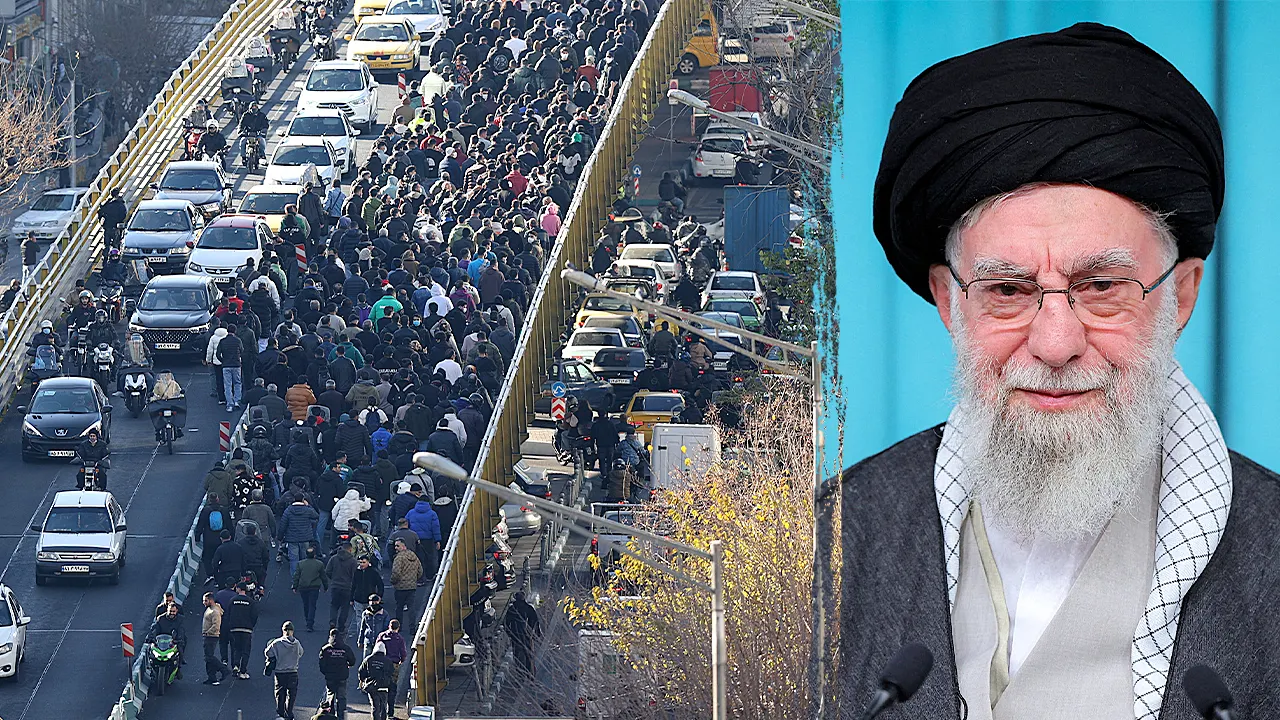
As nationwide demonstrations against the Islamic Republic of Iran enter their second week, Supreme Leader Ali Khamenei has finally broken his silence. In his first public address since the protests began, the 86-year-old Ayatollah dismissed the demonstrators as “agitated people” and “enemy mercenaries,” attempting to draw a distinction between legitimate protest and what he termed “rioting.” His words came as reports indicate security forces have intensified their violent crackdown, with at least ten confirmed deaths and many more injured across the country. “Rioters must be put in their place,” Khamenei warned ominously, setting the stage for what many fear could be an even more brutal response to the growing movement for change.
The demonstrations have rapidly expanded to more than 100 locations across 22 of Iran’s 31 provinces, according to the U.S.-based Human Rights Activists News Agency. Reports from the National Council of Resistance of Iran (NCRI) paint a disturbing picture of escalating violence by security forces. In Malekshahi, Ilam province, authorities reportedly opened fire on peaceful protestors, leaving 30 critically wounded. Similar scenes played out in Kazerun, where security forces fired live ammunition at demonstrators gathered in Shohada Square. Meanwhile, young activists in Shiraz’s Golshan district blocked roads by burning tires, while university students across the country joined the movement with bold chants like “Students will die but not accept humiliation” at Shahrood University of Technology and “Death to the dictator” at Allameh University in Tehran.
President Trump inserted himself into the unfolding crisis with an unusually direct message of support for the protesters on Friday. “If Iran shots [sic] and violently kills peaceful protesters, which is their custom, the United States of America will come to their rescue. We are locked and loaded and ready to go,” Trump declared on Truth Social. This unprecedented statement of American solidarity with the Iranian demonstrators adds another layer of complexity to an already volatile situation, potentially raising the stakes for both the regime and those challenging it on the streets. The international dimension of the protests has become increasingly significant as global attention focuses on the Iranian people’s struggle against a government widely criticized for political repression and economic mismanagement.
The response from prominent Iranian opposition figures has been swift and defiant. Maryam Rajavi, leader of the NCRI, directly challenged Khamenei’s characterization of the protests, stating, “Khamenei is right; 80 million Iranians are his enemy. They have only one message for him: pack up his rule and remove his scourge from the Iranian people.” She insisted that “threats, bluster, and repression cannot stop the uprising” and predicted that the movement would continue until “democracy and popular sovereignty are achieved.” Her words reflect the growing confidence of opposition forces who sense that the current wave of protests may represent a more serious challenge to the regime than previous movements that were eventually suppressed.
Reza Pahlavi, son of Iran’s last Shah and a prominent voice among exile opposition groups, added his voice to those challenging Khamenei’s authority. In a message posted on X (formerly Twitter), he directly addressed the Supreme Leader: “Ali Khamenei, fearing the growing waves of this national uprising, has emerged from his hiding place to threaten the people of Iran. Khamenei: We, the people of Iran, will pull you down from your teetering perch like Zahhak the despot and will free our beloved Iran from you and your regime.” Pahlavi’s invocation of the mythical tyrant Zahhak from Persian folklore resonates deeply with Iranians familiar with their cultural heritage, framing the current struggle as part of a timeless Iranian tradition of resistance against oppression.
The current protests represent the latest chapter in Iran’s complex and ongoing struggle for political freedom and economic justice. What began as demonstrations against economic corruption has quickly evolved into a broader movement challenging the fundamental legitimacy of the Islamic Republic itself. Pahlavi made a direct appeal to military and law enforcement personnel, urging them not to “tie your fate to the sinking ship of the Islamic Republic” and warning that those who fire on protesters “will be identified and punished.” His final words to his compatriots – “do not abandon the streets; increase your presence” – encapsulate the opposition’s strategy: to maintain momentum through continued public presence despite the regime’s increasingly violent attempts to restore order. As the world watches, the courage of ordinary Iranians facing armed security forces has become a powerful symbol of the human desire for freedom and dignity, even in the face of overwhelming force.