


Paragraph 1: The Flashpoint Ignites
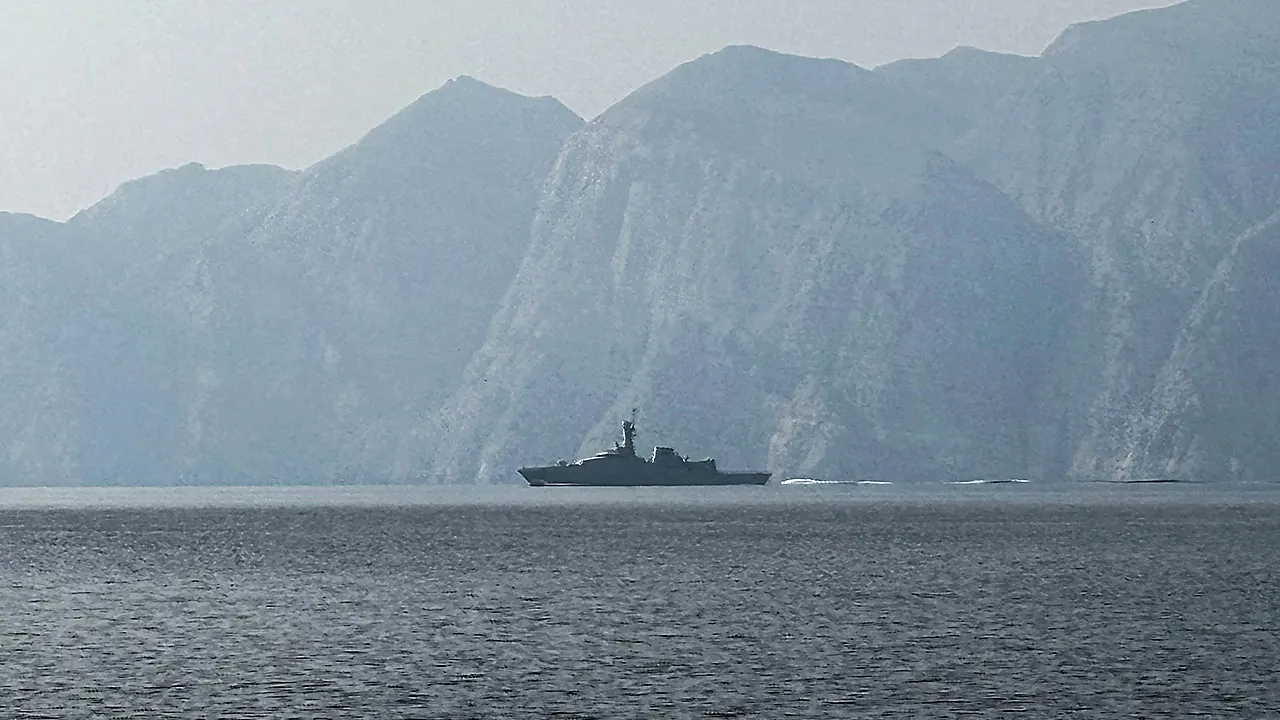
In the heart of the world’s most volatile regions, the Strait of Hormuz has erupted into a tempest of danger, transforming a critical lifeline for global energy into a war-torn artery under siege. Just days after U.S.-Israeli military strikes on Iranian targets—part of what was dubbed Operation Epic Fury—ships navigating these sun-scorched waters began to echo with alarms, explosions, and cries for help. Families on shorelines from Dubai to Muscat held their breath as reports flooded in: vessels were under attack, not just from unseen projectiles, but from a web of electronic chaos that left sailors stranded in a digital fog. Imagine captains, seasoned mariners who have braved hurricanes and pirates, now grappling with false GPS signals that tricked their ships into believing they were docking at airports or nuclear plants. This wasn’t just geopolitical posturing; it was real people—crews from diverse backgrounds, many earning modest livelihoods to support loved ones back home—being thrust into a nightmare where every voyage could end in tragedy. The U.S. maritime authorities had warned vessels two days prior to steer clear of these perilous waters, including the Persian Gulf, Gulf of Oman, and Arabian Sea, but for those already en route, escape felt like an impossible gamble. One expert, Jakob P. Larsen from BIMCO, painted a grim picture: ships hugging the farthest coasts from Iran, reversing course at great cost, their holds full of precious cargo that feeds economies worldwide. These aren’t faceless corporations; behind each tanker are stories of sacrifice, with sailors enduring isolation for months, dreaming of reunions while dodging threats that extend from missiles to sabotage. The human cost looms large—families at home tracking news with fear, wondering if a loved one’s routine patrol has turned into a deadly game. This escalation, triggered by strikes meant to cripple Iran’s nuclear ambitions, has spiraled into a broader conflict, making everyday navigation a high-stakes gamble where one wrong turn could mean loss of life, livelihoods, or even provoke all-out war. As tensions ratchet up, the strait—once a bustling highway for oil that powers lights in homes across continents—feels more like a powder keg, ready to ignite further chaos in a region where history’s wounds run deep and trust is as scarce as safe passage.
Paragraph 2: The Strikes and Their Ripple Effects
Peeling back the layers, the root of this storm lies in the bold U.S.-Israeli Operation Epic Fury, a precise assault on Iran’s nuclear sites and elements of the Islamic Revolutionary Guard Corps (IRGC). But precision strikes don’t always yield controlled outcomes, especially in a neighborhood where echoes of past conflicts reverberate loudly. Iranian authorities, defiant and swift, fired back with missiles aimed at U.S. bases scattered across the Middle East, a retaliation that signaled no bluffing match. This back-and-forth wasn’t just about military might; it unleashed a cascade of fear that paralyzed commercial shipping, the unsung backbone of global trade. Picture the scene: February 28th’s advisory from U.S. officials wasn’t just a caution sign; for many captains, it was a lifeline call to alter routes, costing significant fuel and time delays that trickle down to higher prices at pumps and on shelves. Ships laden with oil—the lifeblood that heats homes and fuels commutes—became unwitting pawns in this geopolitical chess game. One captain’s account might describe the eerie silence after detectors blared warnings, the crew huddled in safe zones, grandparents’ voices on satellite phones urging them to abort and come home safe. The human element here is palpable: these strikes, while targeted, have emboldened Iran’s rhetoric, creating an atmosphere where every shadow could conceal anincoming threat. Analysts warn that this could morph into a regional conflagration, with three Gulf states reportedly gearing up for combat, their leaders consulting allies amid whispers of mobilization. For ordinary folks—truck drivers waiting for shipments, factory workers dependent on imported parts—the disruptions aren’t abstract. A delayed tanker means rationing, economic strain, and the psychological toll of uncertainty. As Iranian fire destroyed one U.S. drone earlier in the week, it wasn’t just metal gone; it was a symbol of escalating stakes, where diplomatic channels seem as blocked as these waterways. Yet, in the fog of retaliation, glimmers of hope emerge from diplomatic talks, though they feel fraught and fragile in the face of missiles whistling through the night sky.
Paragraph 3: Targeted Maritime Assaults
The attacks on vessels painted a darker canvas of vulnerability, with reports from the United Kingdom Maritime Trade Operations (UKMTO) logging multiple incidents as brutal reminders that the sea offers no safe harbor. A vessel off Sharjah, UAE, endured the horror of an unknown projectile exploding near its hull, sending shockwaves that rocked the deck and forced the crew into emergency protocols—undoubtedly, hearts pounding as drills rehearsed for months became chilling reality. Not far away, another tanker north of Muscat, Oman, took a direct hit above the waterline, igniting a fierce blaze that engulfed parts of the ship before valiant firefighting efforts by terrified sailors brought it under control. The acrid smell of smoke, the heat intensifying sweat-soaked efforts, and the dread of structural collapse must have made heroes of these ordinary seamen, far from home, fighting to save not just cargo but their lives. A third ship, northwest of Mina Saqr, UAE, suffered a projectile that sparked an onboard fire, turning safety protocols into life-or-death decisions amid crashing waves. These aren’t random misfortunes; they are calculated intimidations, where vessels—often identified by their links to U.S. or Israeli interests—are singled out, evoking fears of reprisal that extend to more than just direct hits. Imagine a young engineer, fresh out of maritime academy, her first real voyage now a trial by fire, texting family with trembling fingers: “We’re safe, but it was close.” The industry warns of deliberate strikes or accidental ones in the chaos, blurring lines between combatants and innocents. For families of seafarers, these attacks amplify anxieties—sons, husbands, wives monitoring trackers, praying for clear signals amid electronic meddling. The physical threats compound with psychological ones, as crews dodge not only explosions but the looming shadow of capture, turning every cargo hold into a potential trap. In this high-stakes ballet, the sea’s vastness offers nothing but illusionary escape, where one miscalculation could claim lives and escalate the conflict, forcing governments to scramble for de-escalation strategies even as sirens wail in the distance.
Paragraph 4: The Digital Battlefield
Compounding the physical perils is an invisible adversary: electronic warfare that turned the Persian Gulf into a digital minefield, disorienting ships and sowing confusion on unprecedented scales. Maritime intelligence firm Windward documented widespread disruptions affecting over 1,000 vessels, where GPS signals flickered like faulty stars, and Automatic Identification Systems (AIS) spat out gibberish, making ships “appear” at improbable locations—airports, nuclear facilities, even inland reservoirs. For navigators relying on these tools like life preservers, the panic was real: false readings could lead to collisions, grounding on shoals, or worse, ensnaring them in restricted zones. Clusters of jamming signals proliferated across waters controlled by the UAE, Qatar, Oman, and Iran, a cyber onslaught that felt like a phantom fleet attacking without a shot fired. One captain recounted the surreal experience of his vessel’s display showing them beached at Iran’s Bandar Abbas port, prompting frantic recalibrations and radio calls to shore—only to realize they were still adrift, their “location” a fabrication meant to sow doubt. This wasn’t mere technical glitch; it was a tactic echoing Cold War subterfuge, amplifying the tension and forcing ships to disable AIS to evade detection, a move that heightens accident risks in already crowded routes. Humanize this: picture a seasoned helmsman, perhaps a father of three, updating his log with shaky notes, the stress etching lines on his face as he mentors juniors through the electronic fog. Families back home, relying on sparse updates, endure sleepless nights, imagining their loved ones lost in a virtual labyrinth. Industries dependent on precise tracking now scramble for workarounds, highlighting how modern warfare targets the invisible threads connecting the world. For millions, this digital assault means delayed goods, economic setbacks, and a sobering reminder that in an age of tech, the battlefield is everywhere—even in the quiet hum of a ship’s console. As experts like Larsen note, such interference has spiked dramatically post-strikes, underscoring Iran’s arsenal extends beyond missiles to tools of deception, complicating rescue efforts and diplomatic resolutions alike.
Paragraph 5: Industry Responses and Rerouting Challenges
In response to this maelstrom, the shipping industry—stalwart guardians of globalization—has swung into action, with giants like Maersk announcing reroutes for select services, prioritizing crew safety over profit margins threatened by delays. The company, with vessels stretching across oceans, cited the undeniable risks, emphasizing how cargo integrity pales against human lives, a sentiment echoed by countless smaller operators. Imagine a Maersk executive, perhaps poring over maps late into the night, weighing economic losses against the moral imperative to protect families—sailors who endure months at sea for steady paychecks now facing perilous choices. The Strait of Hormuz, channeling roughly 20% of the world’s oil and gas, has seen traffic dwindle, with tankers reversing engines to bolt for safer harbors, their rerouted paths lengthening journeys by days or weeks. This exodus isn’t without cost: higher fuel consumption, skyrocketing insurance premiums, and supply chain snarls that could inflate gas prices to unprecedented levels. For everyday consumers, a delayed shipment feels personal—a mechanic awaiting parts for repairs, a baker short on imported ingredients—yet behind each disruption are stories of resilience. One Intertanko member warned of Houthi reprisals in the Red Sea, adding layers to the dread, as these Yemen-based rebels have history of disrupting shipping with missile barrages. Larsen himself cautioned that ships linked to U.S. or Israeli entities remain prime targets, but accidents could ensnare any vessel, making evasion a game of chance. In human terms, this means crews training for contingencies, families video-calling with forced cheer to mask worries, and industry leaders lobbying for naval escorts or sanctions. The thinned traffic, with some ships vanishing from radars by dousing AIS, evokes a ghost fleet haunting key waterways, a precaution born of desperation. Broader implications ripple outward: economies reliant on these exports brace for volatility, from fluctuating energy prices to geopolitical instability that could redraw trade maps. Yet, amid the rerouting frenzy, there’s a collective resolve—a reminder that while threats mount, the maritime world, woven from diverse threads of human endeavor, continues to adapt, pushing back against the tide of chaos with ingenuity and grit.
Paragraph 6: Broader Threats and the Path Ahead
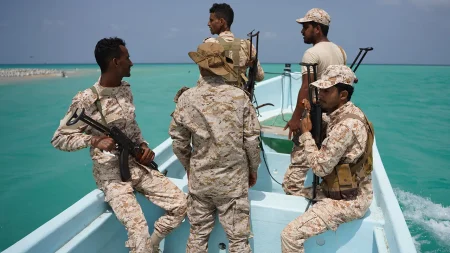
Beyond the Strait, ominous clouds gather with warnings of Houthi backlash in the Red Sea, Gulf of Aden, and Bab el-Mandeb, where previous attacks escalated into blockades, costing billions and lives. Larsen articulated the chill: Houthis, backing Iran, might resume targeting commercial shipping to retaliate, turning these vital corridors into battlegrounds. This isn’t abstract; for sailors, it means heightened vigilance amidst threats that spare no vessel—innocent bystanders could be struck deliberately or by mistake, echoing past ordeals where crews faced hijacks and prolonged ordeals aboard seized ships. Humanize this: envision a Houthi operative, driven by ideology or survival, launching projectiles from hidden bunkers, perhaps even reflecting on their own families’ hardships amid Yemen’s civil strife. Meanwhile, Iran’s ace-in-the-hole—seizing ships tied to adversaries—looms as a specter, potentially sparking hostage crises that demand ransom or concessions, straining international nerves. Industry voices like Intertanko’s lament the unclear intelligence on Houthi moves, urging preparedness while dispelling fears of widespread minefields for now. Yet, GPS interference has surged, making plots to “close” the strait a realistic nightmare, rendering vessels sitting ducks for coordinated ambushes. For global onlookers, this isn’t mere news; it’s a profound reminder of interconnected fates—Europeans warming homes with Gulf oil, Americans filling tanks with imports—all now hostage to escalation. Families worldwide tune into updates, activists pleading for peace, and leaders convening emergency sessions. In this intertwined web, every decision—from a captain’s maneuver to a diplomat’s gesture—carries human weight, urging caution lest the Straits become a permanent scar. As tensions persist, staying informed grows vital; downloading apps like Fox News can keep you ahead, delivering real-time insights into the unfolding drama, ensuring you’re not just a spectator but an informed participant in a world on the brink. For now, the sea whispers warnings, calling for de-escalation before the ripples drown us all in conflict’s tide.