


Former Honduran President’s Freedom Faces New Challenge After Trump’s Pardon
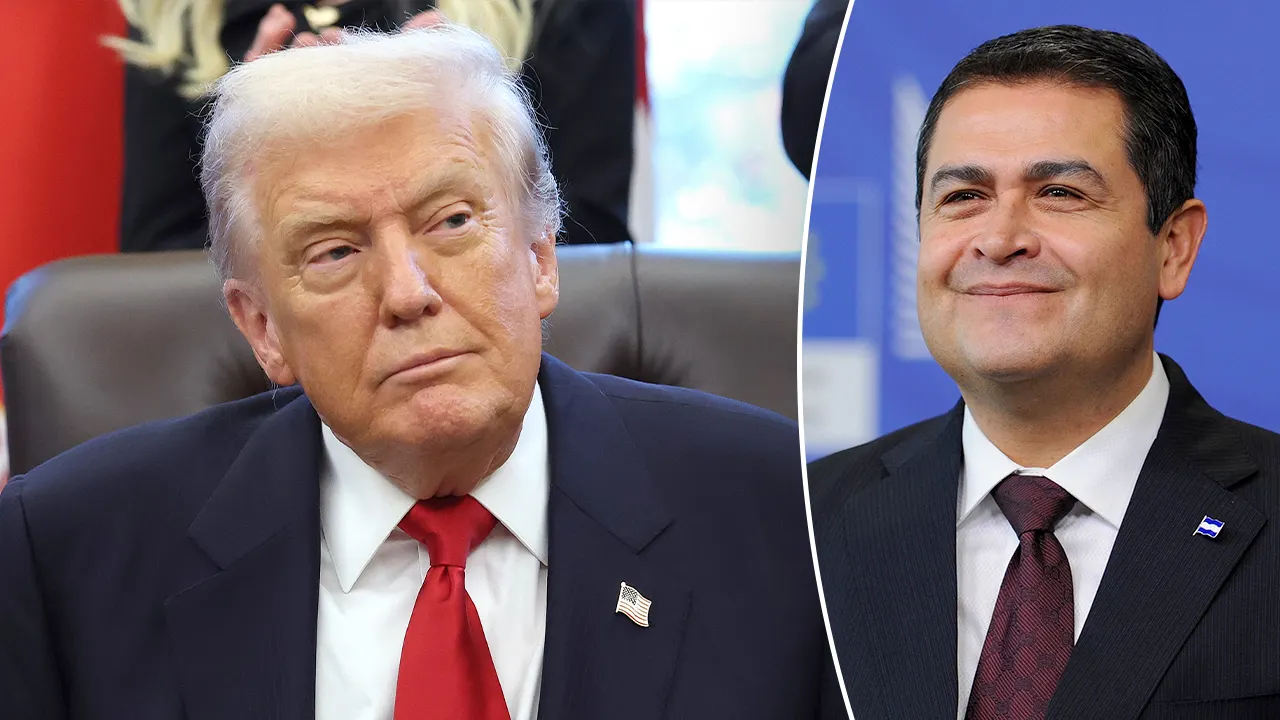
In a dramatic turn of events that highlights the complex interplay between international politics and justice, Honduras’ Attorney General Johel Antonio Zelaya Alvarez has called for the arrest of former president Juan Orlando Hernández, despite his recent pardon by former U.S. President Donald Trump. This development comes just one week after Hernández was released from a U.S. federal prison where he had been serving a 45-year sentence for drug trafficking charges. The Honduran legal system now seeks to enforce a two-year-old arrest order against Hernández, presenting a stark reminder of how differently a political figure can be viewed across national boundaries. Attorney General Zelaya expressed his country’s struggle with corruption, stating, “We have been lacerated by the tentacles of corruption and by the criminal networks that have deeply marked the life of our country.” The arrest order, signed by a Honduras Supreme Court magistrate, was designed to be executed specifically “in the case that the accused is freed by United States authorities”—a scenario that has now materialized through Trump’s pardon.
The case against Hernández in Honduras centers around the “Pandora case,” in which Honduran prosecutors allege government funds were diverted through a network of non-governmental organizations to political parties, including Hernández’s 2013 presidential campaign. This represents a striking contrast to his image during his presidency, when he portrayed himself as a staunch ally of the United States in combating drug trafficking. The trajectory of Hernández’s relationship with the U.S. underwent a dramatic transformation—from being considered a partner in the war on drugs to becoming the subject of a U.S. extradition request shortly after leaving office in 2022. This extradition, facilitated by current Honduran President Xiomara Castro of the social democrat LIBRE party, led to Hernández’s trial and conviction in the United States before Trump’s recent pardon.
Hernández’s legal team has pushed back forcefully against the renewed Honduran charges, with his lawyer Renato Stabile characterizing them as “a strictly political move on behalf of the defeated Libre party to try to intimidate President Hernandez as they are being kicked out of power in Honduras.” Stabile dismissed the effort as “shameful and a desperate piece of political theatre” with “completely baseless” charges. This defense narrative frames the former president as a victim of political persecution rather than accountability, echoing the sentiment behind Trump’s pardon. The contrasting perspectives highlight the polarized views of Hernández’s legacy both within Honduras and internationally, with significant implications for how justice is perceived and pursued across borders.
The circumstances of Hernández’s U.S. conviction paint a damning picture that stands at odds with Trump’s characterization of his case. After a two-week trial in New York, Hernández was found guilty of conspiring to import more than 400 tons of cocaine into the United States, along with related weapons offenses. Despite Hernández’s self-portrayal as a champion against drug trafficking who collaborated with American authorities across three U.S. administrations, the presiding judge concluded that the evidence revealed the opposite reality. The judge specifically noted that Hernández employed “considerable acting skills” to maintain his anti-drug trafficking facade while actually using Honduras’ police and military resources to protect drug trade operations when necessary. This judicial assessment suggests a calculated deception at the highest levels of government rather than the unfair treatment Trump claimed motivated his pardon.
Trump’s pardon of Hernández represented a dramatic intervention in what had been portrayed as a significant victory in the fight against transnational drug trafficking. In announcing the “full and complete pardon,” Trump asserted that Hernández was “treated very harshly and unfairly,” implying that the prosecution was politically motivated or excessive. This characterization stands in stark contrast to the evidence presented at trial and the judge’s conclusions about Hernández’s actions while in power. The pardon has inevitably raised questions about the consistency of U.S. foreign policy regarding corruption and drug trafficking, especially given the substantial resources invested in Hernández’s prosecution and the diplomatic tensions that surrounded his extradition from Honduras. It also demonstrates how executive pardons can fundamentally reshape the outcomes of years of investigative and prosecutorial work.
Following his release, Hernández publicly expressed his gratitude to Trump on social media, writing that he was “wrongfully convicted” and thanking the former president for “having the courage to defend justice at a moment when a weaponized system refused to acknowledge the truth.” His statement continued: “You reviewed the facts, recognized the injustice, and acted with conviction. You changed my life, sir, and I will never forget it.” This public exchange between the pardoned former Honduran president and Trump underscores the personal and political dimensions of the case beyond its legal implications. Now, as Hernández faces renewed legal challenges in his home country, the saga continues to evolve, raising profound questions about accountability, sovereignty, and the complex relationship between domestic politics and international justice. The contrast between his freedom in one jurisdiction and potential imprisonment in another reflects the fragmented nature of justice across national boundaries, particularly when it involves figures who operated at the highest levels of political power.