


Hamas Confirms Loss of Five Key Leaders in Major Blow to Organization
In a significant development that marks one of the most substantial blows to Hamas since the outbreak of the Gaza war, the terror organization has officially confirmed the deaths of five senior leaders who were instrumental to its operations. The announcement came through a statement released by Hamas’ military wing, the Izz ad-Din al-Qassam Brigades, acknowledging losses that Israeli forces had previously claimed. Among those confirmed dead is Mohammed al-Sinwar, brother of former Hamas leader Yahya al-Sinwar, who had risen to prominence in the organization’s wartime command structure following the elimination of other top commanders. The Israeli military had reported his death back in May, claiming he was killed in an airstrike targeting a Hamas command center beneath the European Hospital in Khan Younis. While Hamas confirmed his death, they did not specify the exact date of his demise, only acknowledging that he had been killed earlier this year. This acknowledgment represents a rare admission of leadership losses by an organization that typically maintains secrecy around its command structure.
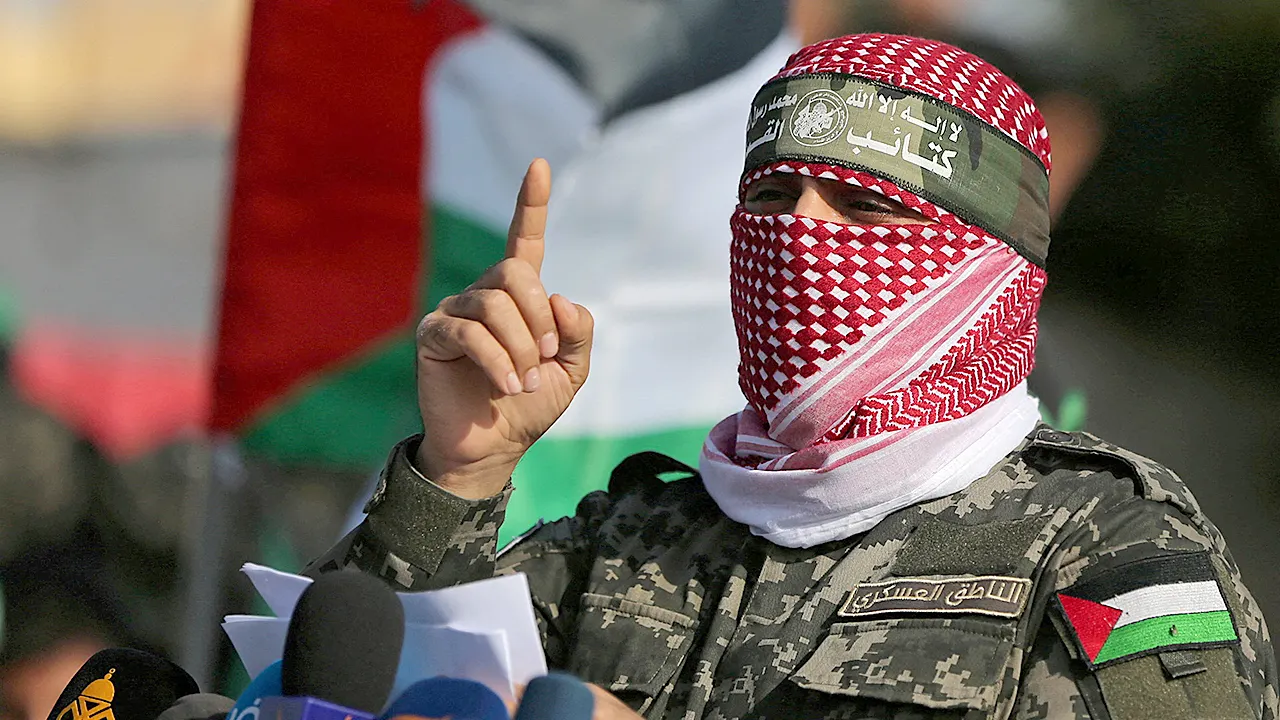
The confirmation also included Abu Obeida, the long-serving masked spokesman who had become the public face of Hamas’ military wing throughout the conflict. In an unusual revelation, Hamas disclosed for the first time that his real name was Hudhayfa Samir Abdullah al-Kahlout. According to Israeli statements, Abu Obeida was killed during an airstrike on Gaza City in late August, though Monday’s statement marked the first time Hamas itself had officially confirmed his death. As the primary voice and visual representative of the al-Qassam Brigades, Abu Obeida played a crucial role in Hamas’ propaganda and communication strategy, making his elimination particularly significant for Israeli forces who had targeted the organization’s leadership and operational capacity throughout the conflict. His mysterious persona, always appearing masked in public statements, had made him an enigmatic figure whose true identity remained unknown to the public until this recent revelation.
Another significant loss confirmed by Hamas was Raed Saad, a high-ranking commander within the al-Qassam Brigades who Israeli security officials described as one of the principal architects of the October 7, 2023, attack that killed approximately 1,200 people and resulted in more than 250 hostages being taken. Israel had announced on December 13 that they had eliminated Saad in a targeted strike after months of tracking his movements through Gaza’s tunnel network. His involvement in planning the October 7 attack made him one of Israel’s most wanted figures, and his death represents the elimination of a key operational leader within Hamas’ military structure. The confirmation of his death, along with the other senior figures, demonstrates the effectiveness of Israel’s intelligence operations in identifying and targeting Hamas’ leadership, despite the challenges of operating in Gaza’s complex urban and underground environments.
The Hamas announcement further acknowledged the deaths of Mohammed Shabanah, who headed the group’s Rafah Brigade, and Hakam al-Issa, a veteran commander and one of the founders of the al-Qassam Brigades. Both men were reported by Israel to have been killed in separate airstrikes in Gaza earlier this year, with al-Issa reportedly dying during attacks on the Sabra neighborhood of Gaza City. Shabanah’s role as the leader of the Rafah Brigade made him particularly important in Hamas’ southern Gaza operations, while al-Issa’s status as a founding member of the al-Qassam Brigades gave him historical significance within the organization’s military hierarchy. Their deaths further deplete Hamas’ experienced military leadership, potentially affecting the group’s ability to coordinate operations and maintain command and control over its fighters in different sectors of Gaza.
These confirmations come despite a ceasefire that took effect in October, highlighting the continued tension in the region even as diplomatic efforts attempt to establish more lasting peace. The timing of Hamas’ admission coincides with ongoing international pressure and follows a meeting between Israeli Prime Minister Benjamin Netanyahu and U.S. President Donald Trump at Mar-a-Lago in Florida. During this meeting, President Trump delivered a stark warning to Hamas, stating that they would be “given a very short period of time to disarm” or face severe consequences. This ultimatum suggests that despite the current ceasefire, military pressure on Hamas may intensify if the group fails to meet disarmament demands, potentially leading to further targeting of remaining leadership figures and military infrastructure.
The confirmation of these deaths represents a significant intelligence and military achievement for Israel, which has systematically targeted Hamas’ command structure throughout the conflict. The elimination of five senior leaders, especially those closely involved in planning the October 7 attack and subsequent operations, severely impacts Hamas’ operational capabilities and organizational cohesion. As President Trump indicated, the next phase of the Gaza peace plan could move forward quickly if Hamas lays down its weapons, but the organization now faces difficult decisions with a depleted leadership cadre. The loss of these experienced commanders, combined with international pressure and military setbacks, places Hamas at a critical juncture where its choices regarding disarmament and future operations will significantly influence the trajectory of the conflict and prospects for peace in the region.