


Palestinian Militias Rise as Alternative to Hamas in Gaza
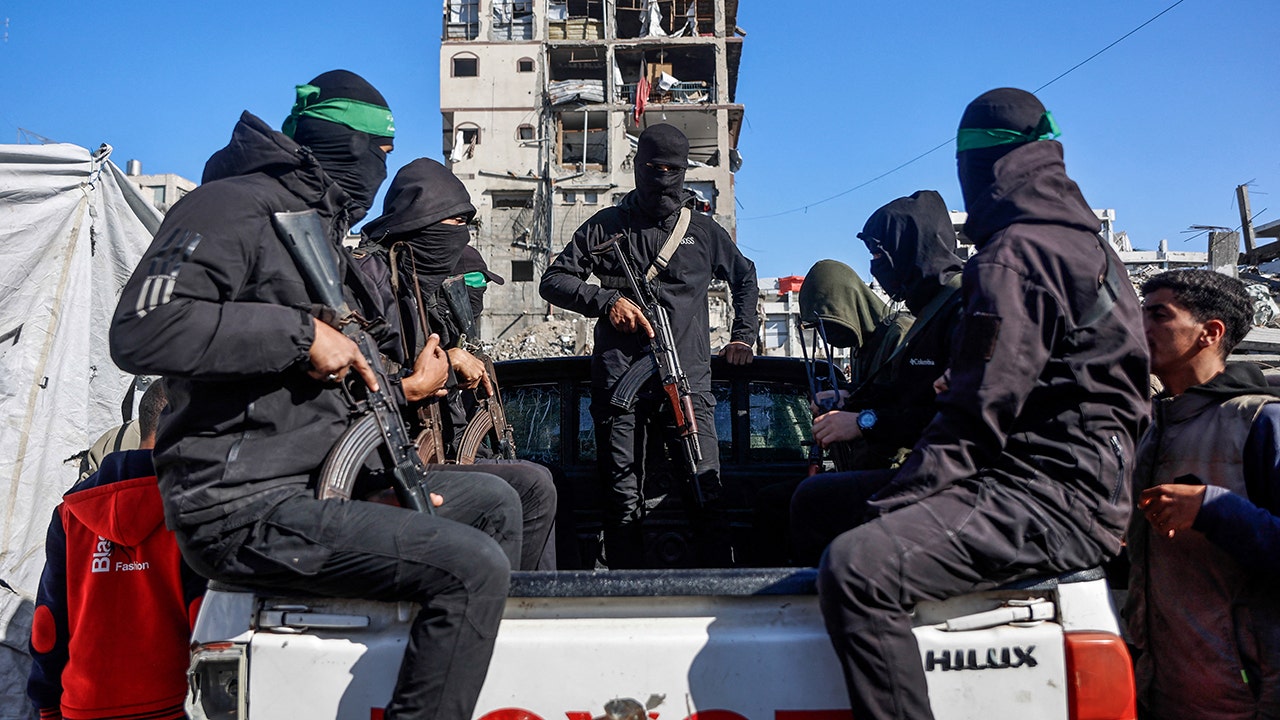
In the midst of the ongoing ceasefire that many experts warn has become a lifeline for Hamas, a new development is emerging from within Gaza itself – local Palestinian militias forming as an alternative force to the militant group that has controlled the enclave for years. One of these militia leaders, Shawqi Abu Nasira, a former senior Palestinian Authority police official who spent 16 years in Israeli prison, now leads a small band of fighters in eastern Gaza territory under Israeli military control. “Hamas works for Iran,” Abu Nasira told Fox News Digital, expressing concern that despite being weakened, Hamas is using the ceasefire to regroup and rebuild. “They got weakened, yes, true, but the ceasefire, they gave them a kiss of life, and they are now preparing themselves better, trying to equip themselves.” His personal opposition to Hamas is reportedly rooted in tragedy – according to Jusoor News, his only son was killed by Hamas, which then “dragged his body through the Strip,” an event that cemented his resolve to fight against them.
The current landscape in Gaza reveals a complex patchwork of emerging militias and clan groups that have surfaced as Hamas’s grip has loosened. While Abu Nasira acknowledges his faction is modest with “dozens of fighters” who “lack equipment” and need “better assistance,” several other groups have gained visibility during this period of fractured central authority. These include the Popular Forces in Rafah, the Popular Army in northern Gaza, the Counter-Terrorism Strike Force in Khan Yunis, and the Shujaiya Popular Defense Forces in eastern Gaza City. Additionally, powerful clan-based networks like the al-Majayda and Doghmosh families have strengthened their positions. Though none of these factions currently match Hamas in size or capability, they represent a growing internal resistance that Abu Nasira claims shares a common opposition to the ruling group. “They are our brothers and sisters,” he said, explaining that “all of these people, they are holding arms and fighting Hamas for a reason, because they were the first witness to Hamas terrorism and they are victims of Hamas.”
Abu Nasira revealed that efforts are underway to unite these disparate factions under a single political umbrella that could function as a “National Guard for East Gaza.” This unification represents an attempt to create a viable Palestinian-led alternative to Hamas, with Abu Nasira arguing that Palestinians themselves should be the ones to remove Hamas from power. “We can now, as Palestinians, attack them,” he stated. “We just need the support in order to win this war, and we can finish it in a few months.” He dismissed concerns that Gazans would fear being labeled as collaborators for opposing Hamas, explaining that the threat of execution for dissent is nothing new: “Whenever you say no to Hamas, you are accused as an operator, or you will be executed. Everybody in Gaza knows that, so that’s not going to scare us anymore.” The militia leader’s position reflects a growing sentiment among some Palestinians who believe the current ceasefire has primarily benefited Hamas rather than the civilian population suffering in deteriorating humanitarian conditions.
The struggle against Hamas, in Abu Nasira’s view, extends far beyond Gaza’s borders. “Fighting terror is a campaign that we all should fight against,” he told Fox News Digital, warning that the threat “can spread from Gaza to all over the world.” He characterized Hamas as part of a dangerous international alliance, saying, “As long as the triangle of Hamas, the Muslim Brotherhood and the Islamic Republic in Iran are working all together, that is a threat to the entire human, civilized world.” This framing of the conflict as part of a broader struggle against extremism rather than a purely local or regional issue appears designed to appeal to American and Western audiences. Abu Nasira even expressed gratitude toward former President Trump “for freezing the assets of Hamas and for labeling the Muslim Brotherhood as a terrorist organization,” positioning himself and his allies as potential partners in counterterrorism efforts.
While some strategists have proposed what’s known as the “Disneyland strategy” – building functioning civilian zones east of the Israeli-controlled “yellow line” to create pressure against Hamas over time – Abu Nasira dismissed this approach as too gradual. “This is a good, nice talk, but this is a long term,” he said. “We don’t need to give them the time to get strong.” His critique highlights the tension between long-term nation-building approaches and the immediate security concerns of those opposing Hamas on the ground. Instead, he advocates for more direct support to enable Palestinian-led forces to confront Hamas militarily, arguing that with proper international backing, a unified alternative could be built that would reflect the desires of ordinary Gazans who “don’t want Hamas” and are suffering under current conditions as “people that are now living in tents, people that are starved, people that are living in the street.”
As the ceasefire continues and attention turns to potential long-term solutions for Gaza’s governance, Abu Nasira’s message presents an alternative narrative to the often-binary framing of the conflict. He insists that Palestinians themselves “are ready” and “want to fight for our future” against Hamas, challenging the notion that external forces must impose solutions or that Palestinians universally support the current leadership. This emerging internal opposition, while currently fragmented and limited in capacity, represents a dynamic that could potentially influence the future political landscape in Gaza. However, as Hamas works to reassert control and execute rivals during the ceasefire period, these alternative factions face dangerous and uncertain prospects in their quest to establish themselves as a viable third option between Hamas rule and external occupation.