



Ecuador’s Beach Horror Reflects Nation’s Deepening Gang Crisis
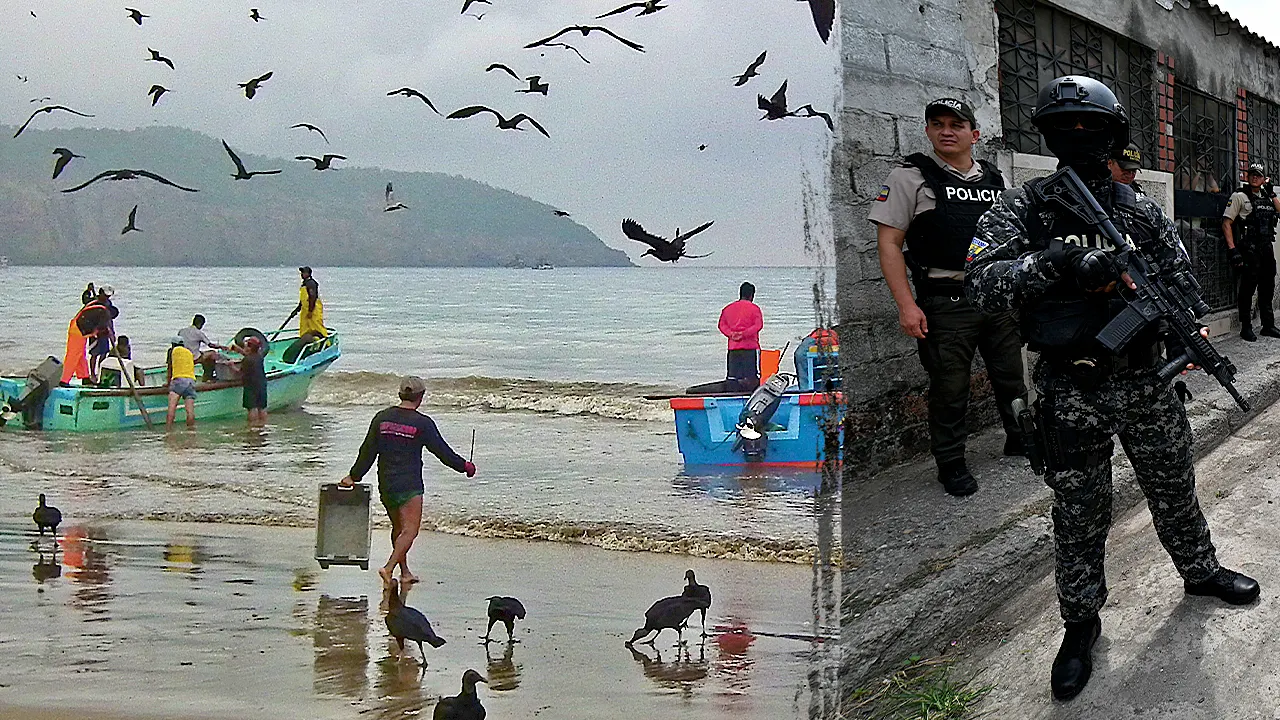
In a shocking display of criminal brutality that has shaken Ecuador to its core, five severed human heads were discovered suspended from ropes on a beach in the southwestern region of the country this past Sunday. The grisly scene, found on what should have been a tranquil tourist beach in the fishing port of Puerto Lopez, Manabi province, represents the increasingly violent tactics employed by rival criminal organizations fighting for dominance in a nation besieged by escalating gang violence. Images circulated by local media showed the heads hanging from wooden poles driven into the sand, with blood staining the beach beneath them – a deliberately public and terrifying statement in an ongoing war between criminal factions. Perhaps most disturbing was the wooden sign left beside this macabre display, containing explicit threats against those who had been extorting local fishermen through so-called “protection payments” or “vaccine cards” – a common practice by which gangs extract regular payments from local businesses and workers under threat of violence.
This horrific incident occurs against the backdrop of Ecuador’s transformation from one of Latin America’s more peaceful nations to a battleground for drug trafficking organizations. The country’s strategic coastal location has made it invaluable territory for criminal networks seeking to control trafficking routes northward. Police reports indicate that drug-trafficking organizations with connections to transnational cartels have increasingly infiltrated coastal communities like Puerto Lopez, often coercing local fishermen into using their small boats to transport drug shipments. The violence in these areas has escalated as rival gangs fight for control of these lucrative transportation routes, with innocent citizens caught in the crossfire. The severed heads represent not just the murder of five individuals but also serve as a terrifying warning in a wider conflict where intimidation and public displays of violence have become standard tactics.
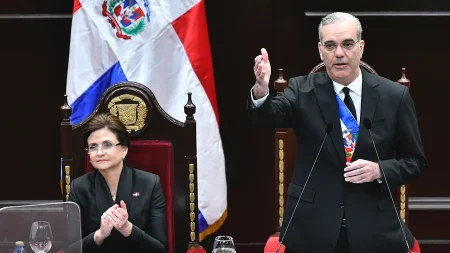
President Daniel Noboa has responded to the spiraling crisis by launching armed campaigns against these criminal organizations, declaring states of emergency in several provinces including Manabi, where this latest atrocity occurred. His administration has deployed military forces to support police operations in affected areas, acknowledging that conventional law enforcement alone cannot contain the threat posed by increasingly powerful and well-armed gangs. Despite these efforts, the violence shows few signs of abating. Police have increased patrols and surveillance in Puerto Lopez following this incident and previous massacres, but the fundamental dynamics driving the conflict – competition for drug trafficking routes, territorial control, and the enormous profits that come with them – remain largely unaddressed. The government finds itself in a difficult position, trying to restore order without addressing the deeper economic and social factors that make gang recruitment possible in the first place.
The brutal display in Puerto Lopez follows a pattern of escalating violence across Ecuador. Earlier this year, at least nine people, including an infant, were killed in an attack in the same province that authorities attributed to clashes between local gangs. In another shocking incident in 2023, infighting between factions of a gang competing for territory in Guayaquil, Ecuador’s largest city, resulted in nearly two dozen deaths. These are not isolated incidents but part of a broader trend that has seen violence reach unprecedented levels across the country. The transformation has been rapid and devastating for a nation that once prided itself on being relatively peaceful compared to some of its neighbors. Communities that previously felt safe now live in fear, with public spaces becoming potential battlegrounds and local businesses forced to pay protection money or face violent consequences.
The human cost of this crisis extends far beyond those directly killed in gang violence. Countless Ecuadorian families live with the daily fear that their loved ones might not return home from work or school. Economic activity has been suppressed in affected areas as businesses close or limit operations due to security concerns. Tourism, once a vital source of income for coastal communities like Puerto Lopez, has declined precipitously as international travelers avoid regions marked by violence. The psychological impact on communities where such brutal acts occur cannot be overstated – children grow up witnessing violence or its aftermath, schools operate under constant threat, and the social fabric that holds communities together begins to fray under the weight of fear and mistrust. The fishermen mentioned in the threatening message left with the severed heads represent just one of many vulnerable groups caught between violent gangs and the difficult choice between paying extortion money or risking their lives.
Ecuador ended last year with a record homicide rate of 52 per 100,000 people, according to the Organized Crime Observatory, making it the deadliest year in the country’s modern history. This statistic represents a dramatic deterioration of security conditions in just a few years, transforming Ecuador from one of the safer countries in South America to one of its most violent. Behind this number are thousands of individual tragedies – families torn apart, communities terrorized, and a nation struggling to reclaim its security and identity. The severed heads on the beach in Puerto Lopez are not merely evidence of criminal activity but a symptom of a profound national crisis that threatens Ecuador’s social cohesion, economic development, and democratic institutions. As President Noboa and his administration continue their efforts to combat organized crime, they face the monumental challenge of not only suppressing violence in the short term but also addressing the underlying conditions that allow criminal organizations to flourish. For the people of Ecuador, particularly those in vulnerable coastal communities, the path to peace and security remains uncertain, but their resilience in the face of such terror offers perhaps the only true hope for the nation’s future.