

Bethlehem Celebrates Christmas Again as Peace Deal Brings Hope
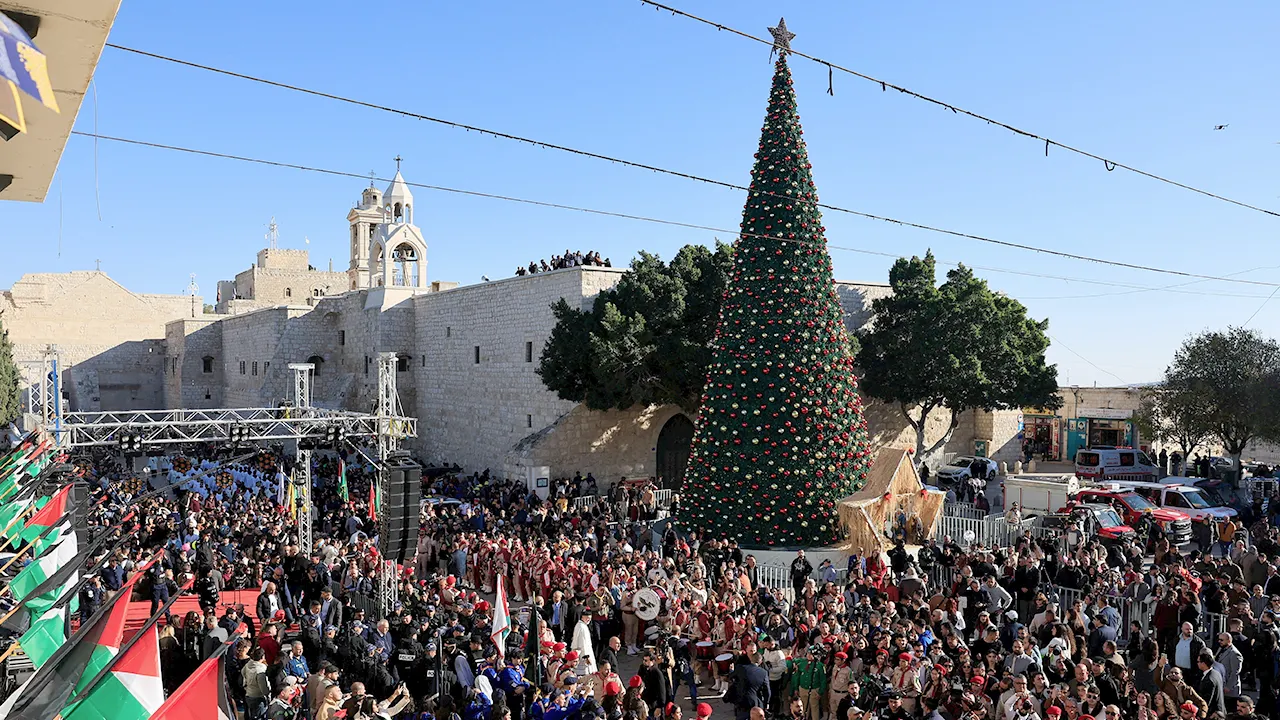
In a heartwarming return to tradition, thousands of pilgrims and visitors gathered in Bethlehem to celebrate Christmas for the first time since the implementation of the U.S.-brokered Israel-Hamas peace deal. The historic birthplace of Jesus once again filled with light, music, and celebration after two years of subdued or canceled festivities due to the conflict in Gaza. Cardinal Pierbattista Pizzaballa, the Latin Patriarch of Jerusalem since 2020, marked the occasion by leading the traditional procession from Jerusalem to Bethlehem, calling for “a Christmas full of light.” Upon reaching Manger Square—named for the place where Christian tradition holds Jesus was laid after his birth—Pizzaballa shared greetings from the Christian community in Gaza where he had held a pre-Christmas Mass just days earlier. His message resonated with hope as he told the assembled crowds, “We, all together, we decide to be the light, and the light of Bethlehem is the light of the world.” This symbolic return to celebration represented not just religious observance but a profound statement about resilience and the human capacity for renewal even after the darkest times.
The revival of Christmas festivities in Bethlehem began earlier in December when Mayor Maher Canawati announced the city would resume celebrations, declaring: “From the heart of Bethlehem, the birthplace of Christ, the city of peace—once again, we ignite the flame of hope and raise our prayers for peace.” The city held its first Christmas tree lighting since 2022 on December 6th, drawing Palestinians from across the region. One attendee, Randa Bsoul from Haifa, expressed the collective sentiment when she told reporters, “We came to celebrate, watch and enjoy, because for several years we haven’t had the chance.” This simple statement captured the profound relief and joy felt by many at being able to participate in beloved traditions that had been suspended during times of conflict. The resumption of Christmas celebrations has been viewed not merely as a religious observance but as a powerful symbol of hope and normality returning to a region long defined by tension.
For the city of Bethlehem, which falls under limited Palestinian Authority control according to the Oslo Accords, the past two years have brought not just emotional hardship but severe economic difficulties as well. The town relies heavily on tourism centered around its religious significance, and the war in Gaza had devastating effects on this crucial industry. Mayor Canawati revealed earlier this month that unemployment in Bethlehem skyrocketed from 14% to an alarming 65% during the conflict. Approximately 4,000 people were left searching for work in a city where Christian pilgrims and tourists normally provide the economic lifeblood. The poverty rate soared as hotels, restaurants, souvenir shops, and tour guide services—all businesses dependent on visitors coming to experience the birthplace of Jesus—struggled to survive during the prolonged absence of international travelers and pilgrims.
During the war years, the Christmas celebrations in Bethlehem took on a markedly different tone. Instead of joyful decorations and festive gatherings, Manger Square featured a nativity scene that powerfully reflected the regional reality: baby Jesus surrounded by rubble and barbed wire in homage to the situation in Gaza. This sobering display transformed the traditional Christmas imagery into a poignant statement about ongoing suffering, connecting the vulnerability of the holy infant with the vulnerability of civilians caught in modern conflict. For many Christians around the world, this representation created a profound connection between the original Christmas story—which itself involves a family seeking shelter in difficult circumstances—and the contemporary challenges faced by people in the region today. The contrast between those somber observances and this year’s return to more traditional celebrations underscores the significance of the peace deal that has allowed for this change.
The U.S.-brokered ceasefire deal that has enabled this revival of Christmas celebrations has largely remained intact, despite occasional accusations from both sides about violations of the agreement. Recent developments suggest progress continues, with U.S. special envoy Steve Witkoff announcing that preparations for the second phase of the peace plan are underway following high-level talks in Miami with representatives from Egypt, Qatar, and Turkey. This diplomatic progress provides a crucial backdrop to the Christmas celebrations in Bethlehem, offering hope that the peace might hold and expand. For residents and pilgrims alike, the ability to gather in celebration represents not just a return to religious tradition but a tangible dividend of peace efforts—a living demonstration of what becomes possible when weapons fall silent and dialogue prevails.
As candles glowed in Manger Square and carols echoed through Bethlehem’s ancient streets this Christmas, the celebration transcended religious observance to become a powerful testament to human resilience and hope. For Christians who believe this small town witnessed the birth of the “Prince of Peace” over two millennia ago, the resumption of Christmas festivities carries profound spiritual significance. Yet even for those of different faiths or no faith at all, the sight of families gathering in celebration where recent years saw only tension and fear speaks to universal human values—the desire for community, for joy, for normality in places long denied these basic gifts. As Bethlehem keeps “the light alive,” as Mayor Canawati phrased it, that light illuminates not just a religious tradition but the persistent hope for lasting peace in a region that has seen far too little of it. This Christmas in Bethlehem, amid the lingering shadows of recent conflict, the simple act of celebration becomes a radical statement of faith in a better future.