


Bondi Beach Terror Attack Reveals Anti-Semitic Motives and Government Tension
In a disturbing development following the tragic Bondi Beach shooting in Australia, authorities have uncovered evidence indicating the attack was motivated by anti-Semitism and influenced by Islamic State ideology. The father-son duo implicated in the attack – 50-year-old Sajid Akram and 24-year-old Naveed Akram – appear to have meticulously planned their actions for months, according to police investigations. Investigators discovered a video manifesto on the son’s phone that explicitly condemned “the acts of Zionists” while expressing religious views aligned with Islamic State extremism. This evidence points to a premeditated act of terrorism rather than a random shooting, deepening concerns about the rise of religiously motivated violence in Australia. The December 14 attack claimed 15 lives and left dozens hospitalized, with the father dying during the incident while the son survived and now faces murder and terrorism charges.
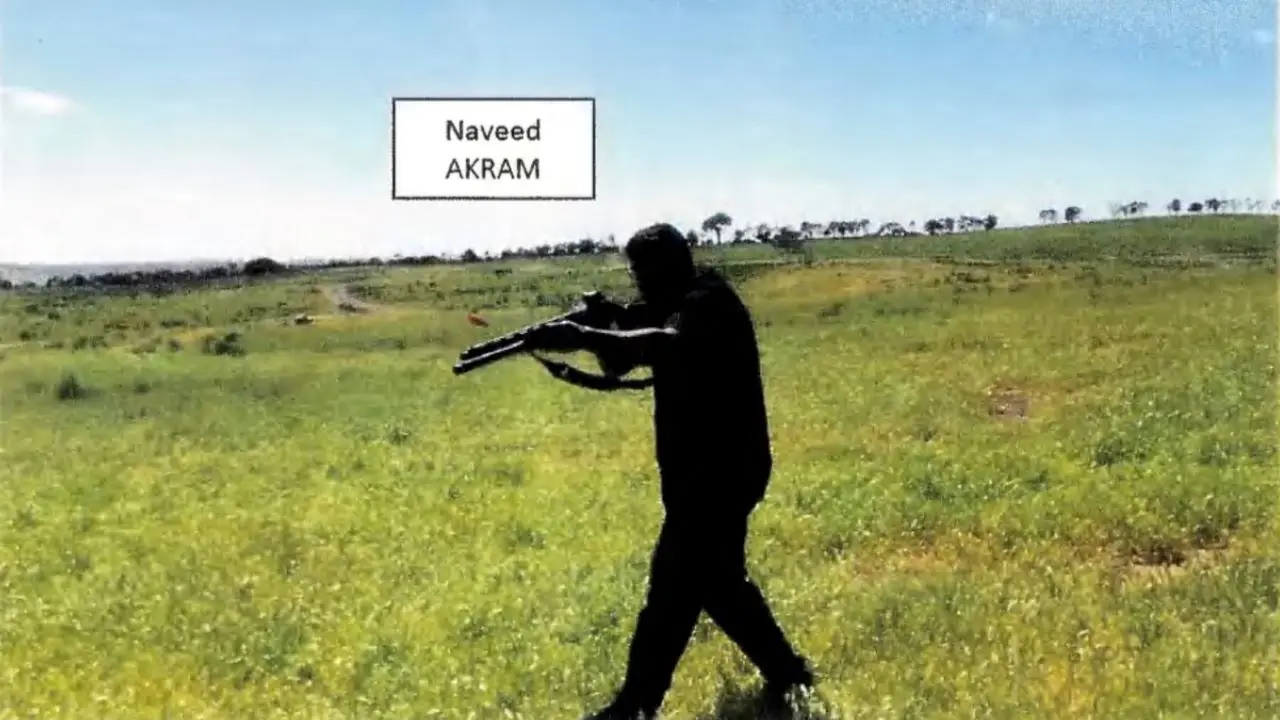
The investigation has revealed disturbing details about the preparation that went into the attack. Police found footage from October showing the pair practicing with shotguns in wooded areas and “moving in a tactical manner,” suggesting military-style training. The attackers had also prepared four improvised explosive devices which they threw toward crowds during the incident, though fortunately, these failed to detonate. After waking from a coma last week, the surviving son, Naveed Akram, now confronts the full weight of the Australian justice system. The police statement was unambiguous in its assessment: “There is evidence that the Accused and his father meticulously planned this terrorist attack for many months,” highlighting the premeditated nature of the violence that shocked the usually peaceful beach community.
The Bondi Beach attack has exposed growing tensions within Australian society regarding anti-Semitism and the government’s approach to addressing it. Jewish community leaders have expressed frustration with what they perceive as insufficient action from authorities to counter rising anti-Semitism prior to the attack. This sentiment became starkly visible during a memorial vigil held at Bondi Beach, where an estimated 10,000 mourners gathered to honor the victims. In a telling moment that revealed the political divisions exacerbated by the tragedy, Prime Minister Anthony Albanese was met with boos when his presence was acknowledged by David Ossip, president of the New South Wales Jewish Board of Deputies. The public display of disapproval toward the nation’s leader at such a solemn occasion underscored the depth of frustration within parts of the Australian Jewish community.
The contrasting reception for opposition leader Sussan Ley at the same vigil further highlighted the political dimensions of the tragedy. Ley, who has pledged to reverse the Albanese government’s decision to recognize a Palestinian state should she lead a coalition government, received cheers from the crowd. This stark difference in public reaction demonstrates how the Bondi Beach attack has become entangled with broader geopolitical issues and domestic policy debates in Australia. The tragedy has forced a national conversation about the balance between religious freedom, security concerns, and foreign policy positions, particularly regarding the Middle East conflict and its reverberations in Australian society.
For the Australian public, the attack represents a painful reminder that global extremist ideologies can manifest in local violence, even in communities previously considered safe from such threats. The Bondi Beach shooting occurred in one of Australia’s most iconic and popular destinations, shattering the sense of security many Australians associate with their coastal lifestyle. The revelation that the attackers filmed themselves condemning “Zionists” while expressing allegiance to Islamic State ideology has raised concerns about radicalization within Australian communities. Security experts note that this incident reflects a concerning pattern of ISIS influence persisting despite the group’s territorial defeats in the Middle East, with lone-wolf or small-cell attacks inspired by their ideology continuing to pose threats globally.
As Australia grapples with the aftermath of this tragedy, difficult questions arise about preventing future attacks while preserving the country’s diverse and multicultural character. The investigation continues to uncover details about how the father and son became radicalized and whether they had connections to broader extremist networks. Meanwhile, the Australian government faces pressure to reevaluate its approach to counterterrorism, religious extremism, and the protection of vulnerable communities. For the survivors and the families of victims, the focus remains on healing and memorializing those lost in an attack that targeted innocent people enjoying a day at one of Australia’s most beloved beaches. The community’s response – coming together in a massive vigil despite political differences – demonstrates resilience in the face of violence intended to divide. As the legal process moves forward against Naveed Akram, Australians are left to reflect on how to preserve their open society while protecting against the extremism that led to this devastating act of terrorism.