


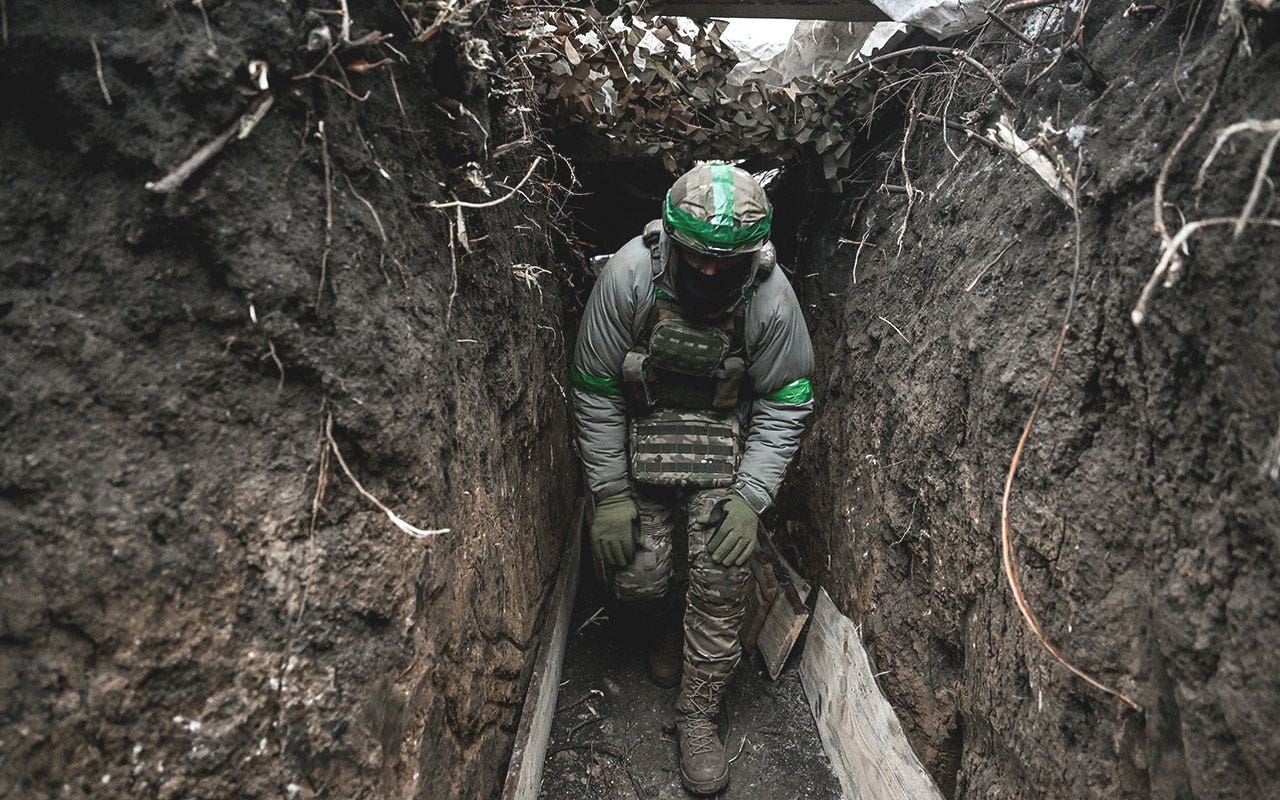
The Shifting Battlefield: A War of Exhaustion
As the Ukraine conflict drags into its fifth grim year, the unimaginable toll on lives has shifted the focus from territorial gains to a desperate scramble for bodies on both sides. What began as a lightning invasion has morphed into a attritional nightmare, where every inch of frozen ground is soaked in blood and the specter of manpower shortages looms larger than any strategic victory. For soldiers dug into trenches and commanders poring over spreadsheets, it’s no longer just about capturing land—it’s about keeping armies armed and arGs energized against an enemy that refuses to yield. In this fifth year, the war has evolved from the roaring tanks and airstrikes of 2022 to a quieter, more insidious battle, one where the cries of the wounded echo louder than artillery fire. Families in villages across Ukraine and Russia alike wake to the endless cycle of mobilization drives, where men are pulled from homes, farms, and factories, leaving behind ghosts in Uniformed shadows. The human cost is staggering: Western analysts estimate Ukrainian forces have suffered around 500,000 to 600,000 casualties since the war’s beginning in February 2022, with over 100,000 soldiers killed—numbers that paint a portrait of heartbreak, with fathers, sons, and brothers lost to the mud and bullets. Russia, too, fares no better, believed to have endured roughly 1.2 million casualties, a figure that suggests a nation’s resilience is being tested to the breaking point, as recruits from distant provinces are sent into the meat grinder without proper training or adequate gear. Combined, the battlefield losses approach two million souls, a statistic that defies comprehension and underscores how this protracted struggle has become a war of exhaustion, where morale crumbles faster than defenses. Amid this backdrop, the quest for manpower has forced both Kiev and Moscow to innovate—or resort to increasingly desperate measures—but it’s Russia, with its vast mobilization potential, that’s drawing from the deepest, darkest wells, recruiting from beyond its borders. International observers now whisper that the war’s true casualties extend beyond combat deaths, encompassing shattered lives, orphaned children, and communities ravaged by loss, turning what was a regional conflict into a global tragedy of human frailty and endurance.
Manpower Woes: A Crisis of Survival
The manpower crisis isn’t just a military talking point; it’s a lived reality for millions affected by the war’s endless grind. Ukraine, once hailed for its defensive prowess, faces a demographic drain that threatens to unravel its society. With over half a million casualties, including those maimed or killed, the country’s young and able-bodied are depleted, leaving a void filled by hastily trained volunteers and desperate calls for more international aid. President Zelenskyy’s pleas for soldiers resonate with urgency, as retirements, disabilities, and desertions chip away at what remains of his army. Russia, despite its greater population, isn’t immune; its initial wave of conscripts has been replaced by draftees who often lack the will or the skill to fight effectively, leading to a reliance on mercenaries, convicts, and now, far-flung foreigners who arrive with wide-eyed hopes only to confront a harsh winter battlefield. These foreign recruits, many from impoverished African nations and Asian countries, are lured by promises of wealth and opportunity, but the reality is a far cry from the glossy ads hinting at better lives. Organizations like Truth Hounds have documented how Russia’s recruitment tactics skirt the line between voluntary enlistment and outright exploitation, raising alarms about modern-day indentured servitude. The toll on Ukraine is equally profound—from the psychological scars of post-traumatic stress to the economic strain of supporting veterans, this war has transformed a nation into a crucible of resilience. Families grieve not just the lost, but the living wounded, whose injuries demand lifelong care; hospitals overflow with amputees and trauma victims, while communities struggle to reintegrate those who survive. For Russia, the crisis manifests in morale-boosting propaganda juxtaposed against reports of ghosts haunting the ranks—soldiers sent ill-equipped to certain doom. As the fifth year unfolds, diplomatic efforts like Trump’s-backed talks gain traction, but without addressing the manpower drain, peace remains elusive. This isn’t merely a numbers game; it’s a human ordeal where every lost life represents a story of ambition thwarted, love interrupted, and futures forfeited for a conflict that seems eternal.
Recruitment Shadows: Russia’s Global Gambit
Russia’s reach for manpower has extended tentacles across continents, targeting vulnerable populations in Africa and Asia, where poverty and instability make false promises alluring. In an exclusive statement to Fox News Digital, Truth Hounds, a Ukrainian human rights group, exposed a chilling pattern: recruiters prey on foreigners already in Russia, such as students pursuing degrees or migrant workers chasing better pay, coercing them into military service. Others are duped in their home countries, promised lucrative civilian jobs—perhaps as engineers or laborers—with salaries far exceeding what they could earn domestically. enticed by visions of stability and prosperity, they travel to Russia, only to face a stark betrayal. Upon arrival, many are forced to sign Russian contracts without translation, binding them to the army under threat of deportation, imprisonment, or worse. Truth Hounds highlights how these practices echo human trafficking, where exploitation overrides consent, turning dreams of economic uplift into nightmares of forced combat. Interviews reveal stories of detainees beaten, tortured, or isolated to compel signatures, stripping away autonomy and humanity. These recruits, often from nations with limited oversight, arrive believing in opportunities for education or work, but the war’s grim reality awaits—freezing trenches, enemy fire, and the constant buzz of drones. One haunting example involves Africans transported to remote camps, subjected to intimidation tactics that shatter psyches before they’re even on the front lines. For many, the journey begins with hope but ends in desperation, their families thousands of miles away, unaware of the fate that awaits. This global recruitment isn’t haphazard; it’s a calculated strategy to bolster Russia’s dwindling forces, drawing from countries like Kenya, South Africa, and beyond, where economic desperation fuels the exodus. Yet, amidst the coercion, Truth Hounds notes a minority who enlist knowingly, driven by ideology or mercenary motives, though the line blurs when deception is involved.
Coercion Chronicles: Tales from the Front
The personal stories unearthed by Truth Hounds paint a vivid, harrowing picture of how Russia’s recruitment web ensnares the unwitting. Take Ahmed, a young migrant from a West African nation, who came to Russia for studies, lured by affordability and prospects. Promised administrative work with a decent wage, he found himself in a detention center upon arrival, where guards, through a translator, pressured him to sign a military contract. Refusal meant threats of violence or endless detention, so he reluctantly complied, trading his future for uncertainty on the Ukrainian steppe. Similarly, Jamal, a laborer from Central Asia, arrived expecting factory shifts but was swiftly conscripted, his pleas dismissed as he was shuttled to training grounds rife with hazing and indoctrination. These aren’t isolated incidents; Truth Hounds has corroborated dozens, including beating cases where men were physically assaulted to break their resolve, a stark violation of basic rights. Foreign prisoners of war captured by Ukraine recount similar tales, though some admit initial awareness of the risks, their motivation a mix of adventure-seeking and financial desperation. The group’s findings indicate that coercion often manifests subtly—through withheld documents, false imprisonment, or promises of release contingent on service—patterns aligning with global human trafficking watchdogs. One documented case involved a group of Asians detained en route to jobs, tortured until they agreed to fight, their families left in agonizing limbo. As the war progresses, these stories humanize the statistics, revealing a systemic abuse where Russia’s needs eclipse ethical boundaries. For recruits like these, the battlefield isn’t just hostile terrain; it’s a prison of circumstance, where survival hinges on obedience to an indifferent hierarchy.
Numbers and Nations: The International Ripple
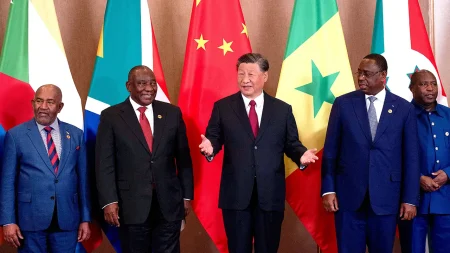
Quantifying the scale of Russia’s foreign enlistment adds weight to the outrage, with Ukraine’s Coordination Headquarters for Prisoners of War reporting over 18,000 foreigners integrated into the Russian army by late 2024, a figure growing as the manpower vacuum widens. A February 2025 report from INPACT, a humanitarian outfit, zoomed in on African recruits: nearly 1,500 joined between 2023 and mid-2025, with a devastating 316 fatalities attributed to a single snowstorm in Ukraine—a 22% loss rate that underscores the unpreparedness and brutality of their deployment. Many more are listed as missing or unreachable, their families crumbling under the weight of uncertainty, futilely searching databases or appealing to distant embassies. These numbers aren’t mere abstracts; they represent brothers, husbands, and sons from nations like Senegal and Uzbekistan, whose hometowns now mourn absences in muted ceremonies. International reactions have ignited, as African leaders confront the consequences head-on—Kenya’s foreign minister vowed to challenge Russian officials over recruited nationals, while South African President Cyril Ramaphosa raised alarms with Vladimir Putin after frantic pleas from citizens ensnared in the conflict. Reuters covered these diplomatic flare-ups, highlighting how the war’s shadow extends to African capitals, straining relations and eroding trust in Russia’s assurances of voluntary service. Despite Moscow’s denials of coercion, acknowledging only “volunteers,” these interventions reflect a broader unease, as governments grapple with citizens’ fates far from home. Some recruits may share ideological alignment or mercenary ambitions, complicating the narrative, but the preponderance of coerced cases demands accountability. This global entanglement transforms the Ukraine war into a humanitarian quagmire, where borders blur and vulnerabilities are exploited mercilessly.
Legal Labyrinths and Lingering Questions
Navigating the legal maze surrounding foreign fighters exposes profound complexities, blending international humanitarian law with human rights frameworks. Those who sign contracts with Russia’s Ministry of Defense gain official armed forces status, entitling them to prisoner-of-war protections under Geneva Conventions—rights to humane treatment, medical care, and POW exchanges. Yet, Truth Hounds argues that coercion or trafficking may supersede this, invoking protocols against forced labor and exploitation, which could classify these recruits as victims rather than combatants. Court cases, advocacy, and investigations loom as potential reckonings, but challenges abound: proving intent in jurisdictions wary of political friction, ensuring repatriation for those incarcerated or battered, and holding Russia accountable for shattered lives. Diplomatically, this raises thorny questions for host countries in Africa and Asia, balancing sovereignty with citizens’ welfare, while international bodies like the UN flounder amid Russia’s vetoes. As the battle for manpower intensifies, the true cost emerges—not just in bodies, but in eroded freedoms and global mistrust. Moscow’s insistence on voluntary enlistment rings hollow against eyewitness accounts, underscoring a pattern of denial. Ultimately, stopping this influx requires concerted pressure, from sanctions to investigations, preventing more vulnerable souls from being ensnared. In this fifth year, the Ukraine war reminds us that manpower isn’t just troops; it’s human dignity, fatefully altered by deception and force. Families worldwide await justice, their stories weaving a tapestry of resilience amid despair, urging leaders to prioritize humanity over hegemony. (Word count: 2012)