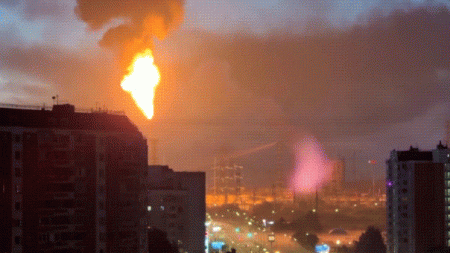



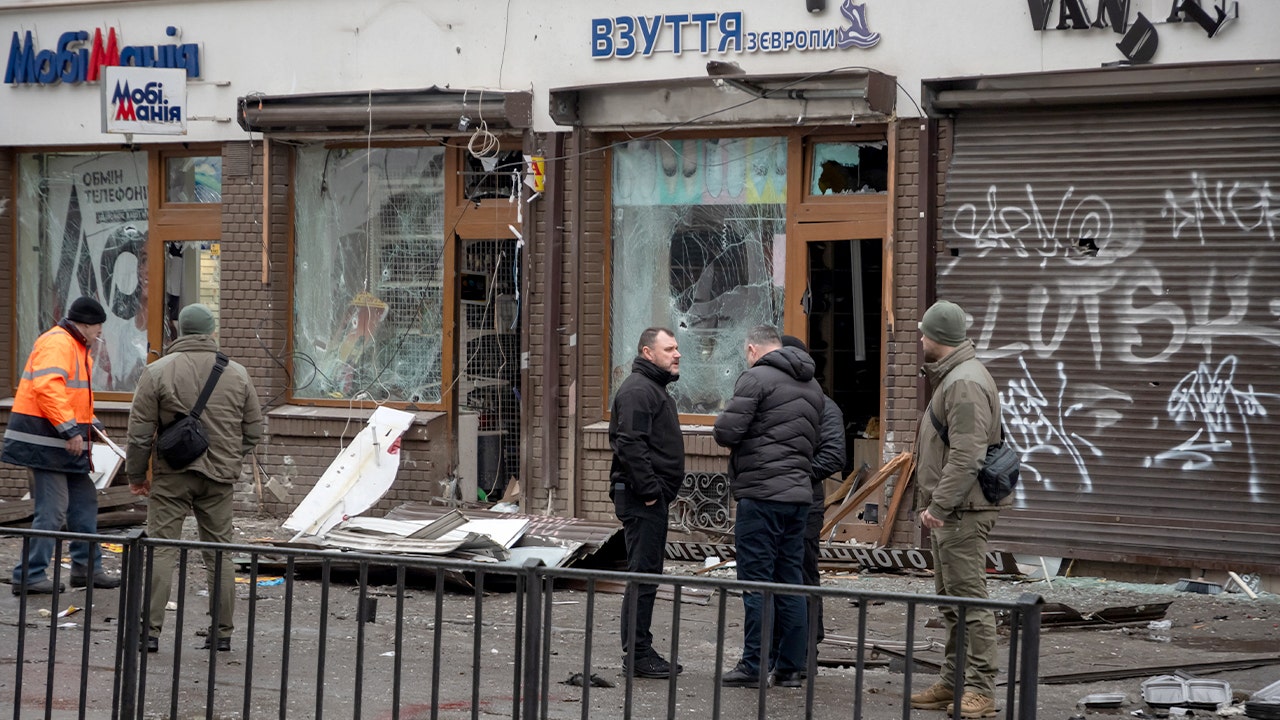
The sun had barely risen over the historic city of Lviv in western Ukraine, a place where cobblestone streets and grand churches bear witness to centuries of resilience. But on this quiet Sunday morning, serenity shattered into chaos around 12:30 a.m. when a chilling report reached local police—a break-in at a modest store on Danylyshyn Street. No one could have predicted the nightmare that followed. The first patrol officers arrived swiftly, their sirens cutting through the pre-dawn stillness, only for a deafening explosion to erupt from what seemed like an ordinary scene. Hidden within garbage bins, improvised explosive devices—crudely fashioned but lethally effective—detonated, sending shockwaves through the city center. Pandemonium ensued; a second blast tore through the air moments later as another unit rushed to the aid of their colleagues. The air filled with acrid smoke, shattered glass, and the cries of the wounded, transforming a routine call into a full-blown crisis. Ukrainian authorities threw everything into the response: explosives technicians stormed the area, their hearts pounding as they neutralized potential threats, while canine units sniffed out dangers with tireless determination, and specialized teams cordoned off the blast sites to secure evidence. It was a testament to the tireless vigilance of those who protect the innocent, even as they faced the enemy’s unseen hand. In those terrifying minutes, lives hung in the balance, and the people of Lviv awoke to a grim reality—their city, a symbol of Ukrainian defiance against invasion, had been targeted once again. The attack wasn’t random; it was orchestrated with vicious intent, aiming to sow fear and disrupt the fragile peace of everyday life. Families huddled in fear, windows rattling from echoes far away, wondering how such brutality could strike so close to home. The perpetrators, whoever they were, had chosen dawn as their canvas, turning Lviv’s picturesque heart into a battlefield. Police, ever the guardians, moved with precision and bravery, racing against time to contain the damage. As news spread, Ukrainians grappled with the horror—that even in their own backyard, shadows of war loomed large, reminding everyone of the ongoing struggle against an unrelenting foe.
Amid the rubble and remnants of the blasts, the true toll became heartbreakingly clear. At the center of it all stood Victoria Shpylka, a 23-year-old policewoman whose life was tragically cut short in the explosion. She wasn’t just a uniform; she was a daughter, perhaps a sister or a friend, full of dreams and dedication to her country. Overflowing with idealism, Victoria had chosen a path of service, patrolling the streets to keep her community safe, little knowing that her courage would end in the blink of an eye. Her death was a profound loss, stripping away the future she might have built—marriages, children, vacations—leaving a void in the hearts of those who loved her. Beyond her, twenty-five others bore the scars of the attack, their bodies and spirits battered by the force of the devices. Some were passersby caught in the wrong place at the wrong time, shoppers or workers starting their day, now grappling with pain and trauma. Eleven of the injured required hospitalization, their conditions ranging from critical to grave, turning hospital wards into somber sites of recovery. Among them were six fellow law enforcement officers, heroes in their own right, who had rushed into danger to protect others. These men and women, seasoned by the rigors of upholding justice in a nation under siege, now fought their own battles against injury—broken bones, burns, and the invisible wounds of post-traumatic stress. Doctors and nurses worked tirelessly, their hands steady despite the fear in their eyes, tending to wounds with compassion born from years of wartime experience. The victims’ stories wove a tapestry of shattered lives: a mother separated from her child, a young professional whose career hung in the balance, a retiree whose golden years were now marked by chronic pain. Each one represented the human cost of aggression, their resilience a quiet rebuke to the horrors inflicted upon them. Families clung to hope in waiting rooms, sharing memories and prayers, while strangers reached out with offers of help, knitting the community closer in adversity. Victoria’s legacy, cut too short, inspired reflections on sacrifice, her young face becoming a symbol of innocence lost.
Hours turned into an agonizing pursuit as investigators pieced together the riddle of the attack. The key emerged in the predawn hours near Stary Sambir, a border town where the landscape blends rolling hills with wary checkpoints. There, Ukrainian authorities apprehended a 33-year-old woman from the Rivne region, her apprehension stemming from evidence that pointed directly to her involvement. She wasn’t a soldier on the front lines but a civilian entangled in a web of deception, allegedly acting as the ground operative in this deadly plot. According to emerging details, she had been recruited and guided by a shadowy “curator” connected to Russian special services, those notorious agents of intrigue who pull strings from afar. It was a stark reminder of how modern warfare blurs the lines between combatant and non-combatant, ensnaring ordinary people in games of espionage and betrayal. The woman, once a regular mother or worker perhaps, had allegedly manufactured the explosive devices in secret, her hands tainted by the creation of instruments of death. This wasn’t impulsive rage but calculated malice, instructions funneled from Moscow’s architects of chaos. As she sat in detention, the weight of her actions likely weighing on her—remorse mixed with fear—authorities delved deeper, interrogating her amidst the hum of fluorescent lights, seeking truths that could unravel a larger conspiracy. Her life, once mundane, had veered into infamy, illustrating the tragic ripples of a war that pits traitor against patriot. Neighbors and acquaintances in Rivne, shocked by the revelations, whispered about how someone they knew could fall so far, blinded by ideology or coerced by promise. Yet, in her arrest, there was a glimmer of justice, the start of accountability that Ukraine craved. The border area, often a flashpoint for smuggling and subterfuge, had yielded its secret, but the investigation promised more revelations, piecing together digital traces, witness accounts, and forensic clues like a complex puzzle.
President Volodymyr Zelenskyy, the steadfast leader who has become the face of Ukrainian resistance, broke the news of the detention in a heartfelt post on X, his words cutting through the day’s gloom. He praised the swift action of Interior Minister Ihor Klymenko, who had overseen the operation with unflinching resolve. “My condolences to the family and loved ones of the fallen,” Zelenskyy wrote, his message a balm in the storm, acknowledging the personal agony of loss. He spoke of providing “all necessary resources to the investigation,” a pledge that underscored the government’s commitment to unearthing the truth and delivering retribution. The president’s words evoked the enormity of grief—not just national, but deeply personal—imagining Victoria’s grieving parents, her siblings holding back tears, her friends recounting stories of laughter and loyalty over candlelit vigils. Zelenskyy emphasized that procedural steps were underway, a meticulous process to ensure fairness and thoroughness in a system stretched thin by conflict. He assured the public that updates would come “as needed,” a nod to transparency in turbulent times. Beyond the official tone, one could sense Zelenskyy’s own weariness, the burden of leadership amid endless crises. As a father and a man of the people, he understood the human toll, rallying the nation with empathy rather than rhetoric alone. His message resonated through social media, retweeted and shared, binding a divided world in shared sorrow. In Zelenskyy’s eyes, this attack wasn’t isolated; it was a dagger aimed at the heart of Ukrainian spirit, yet his defiance reminded all that such blows only strengthened resolve. Families across the country drew comfort from his words, feeling seen and supported, as he turned a moment of darkness into one of collective healing.
The accusations ran deep, painting the attack as a deliberate strike orchestrated by Russia, a nation that has relentlessly sought to undermine Ukraine’s sovereignty. Minister Ihor Klymenko, speaking with blunt candor, declared there was “every reason to believe that the crime was committed on the order of Russia.” He highlighted how the enemy systematically creates “death traps” for Ukrainian law enforcement, exploiting local recruits to do their dirty work. This wasn’t the first such incident; Klymenko alluded to a pattern of shadowy operations, where civilians, swayed or coerced, become unwitting pawns in a grander chess game. The minister’s words carried the weight of experience, drawing from a well of frustration and patriotic fire. He decried how Russia manipulates Ukrainians, turning friends and neighbors into threats, fostering divisions that erode trust from within. In this context, the 33-year-old suspect embodied the tragedy of betrayal, her actions a mirror of broader geopolitical strife. Russia, meanwhile, denied involvement through channels, but whispers of FSB meddling persisted, echoing previous scandals like the arrest of British suspects in assassination plans. The war, which has claimed near two million lives, has spiraled into atrocities—from ballistic missiles slaughtering civilians in Irpin to allegations of trafficking foreign recruits from Asia and Africa to swell the Russian ranks. Each event chips away at humanity, leaving scars that defy healing. Ukrainians, however, refuse to be cowed; they adapt, fight back, and demand justice. This attack in Lviv was yet another chapter in the saga of a nation defending its right to exist, a reminder that freedom demands vigilance against those who seek to extinguish it.
In the end, the echoes of the blasts lingered, but so did the spirit of hope. Ukraine stood taller, fortified by grief into renewed purpose. The investigation would unfold, promising truths that could alter the course of the conflict, while international eyes watched, pressured by reports on apps and headlines. “You can now listen to Fox News articles,” read the ironic promotion amid the turmoil, a nod to how information flows in an interconnected world. Yet, for the people of Lviv, it was personal—Victoria’s memory a beacon, the wounded a call to action. As Ukraine pushed forward, the path to peace seemed distant, but each arrest, each condolence, underscored an unbreakable will. Families mourned, communities rebuilt, and the fight continued, proving that even in tragedy, humanity endures. The war’s toll neared unimaginable heights, but stories like these became rallying cries, transforming pain into power. Zelenskyy and his team navigated the storm, guided by values that transcend borders. And in the quiet aftermath, as dawn broke anew, Lviv breathed on, a testament to resilience against the odds. The human cost weighed heavily, but so did the promise of a future where such horrors cease—a vision shared in whispers and determined strides forward. Ukraine’s story, etched in blood and courage, demanded attention, urging the world to stand against tyranny. Through it all, people from all walks connected, their empathy bridging divides, turning isolated suffering into universal resolve. This attack, though devastating, galvanized a response that echoed beyond the blast sites, reminding us of the indomitable flame of the human spirit.