


When the Floor Beneath You Starts to Give Way: One Woman’s Viral Homeowner Nightmare
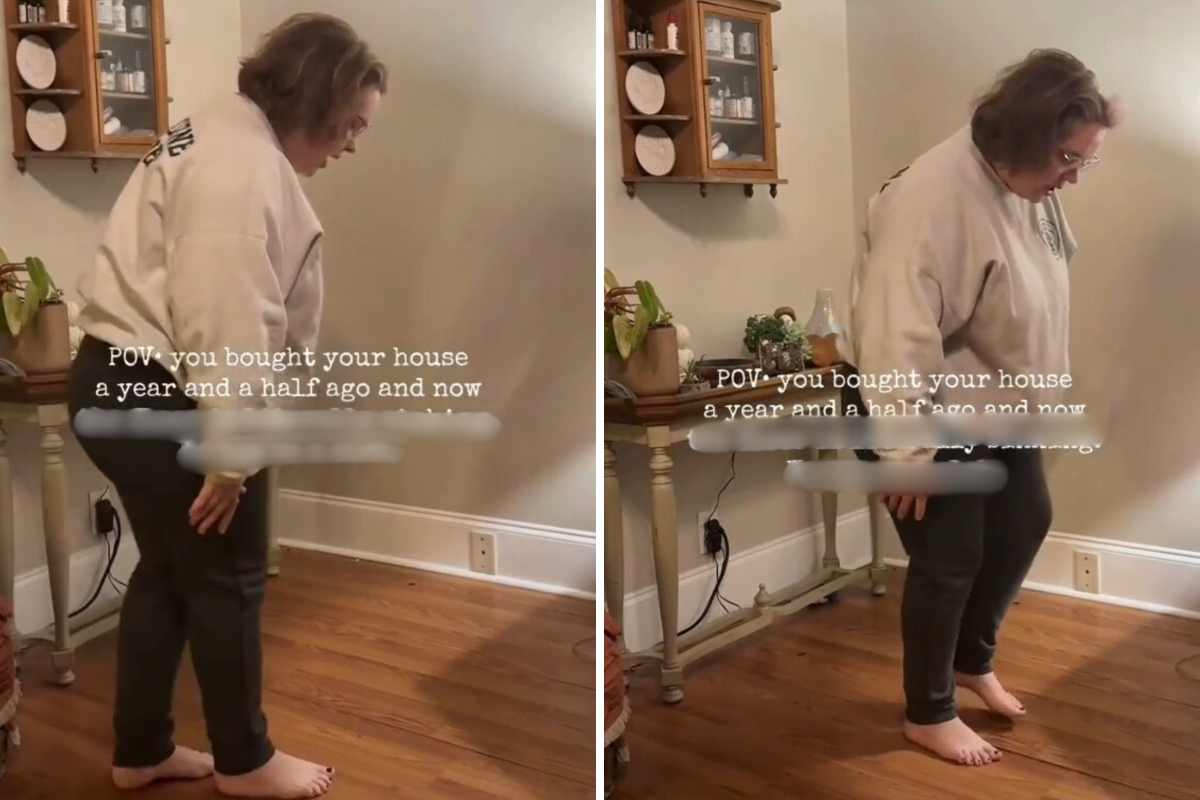
In a moment that captured the anxiety of homeowners everywhere, 30-year-old mom Sam (@samfilmedthiss) posted a TikTok video showing herself walking across her living room floor as it visibly sank beneath her feet. The clip, which has since garnered over 845,000 views, shows Sam cautiously navigating her wooden floor that appears to be caving in—a nightmare scenario for any homeowner. “Now the floor is literally sinking,” she explained in the video’s text overlay, noting that she had purchased the house only a year and a half ago. The home, built in 1973 in Denham Springs, Louisiana, sits on a concrete slab, making the sudden depression all the more concerning. The video struck a chord with viewers worldwide, not just for its shock value, but because it tapped into the universal dread of discovering serious structural issues in what should be one’s sanctuary.
The internet responded with a flood of theories and warnings, some more alarming than others. “It’s either water damage or a sinkhole,” suggested one viewer, while another ominously referenced a 2013 tragedy in Seffner, Florida, where a man was swallowed by a sinkhole that opened beneath his bedroom. “100 percent possible to be a sinkhole, don’t stand on it anymore,” the commenter warned. The video also sparked commiseration from fellow homeowners dealing with their own property woes. “Buying a house has been one of the most traumatizing experiences in my life. Literally it’s one thing after another,” lamented one user. These responses reflect a common sentiment among American homeowners—according to Bankrate’s 2025 Homeowner Regrets Survey, 42 percent of those with regrets cite unexpected maintenance costs and hidden expenses as their biggest frustration with homeownership. The financial and emotional toll of such surprises can be devastating, especially when they threaten the structural integrity of one’s home.
Fortunately for Sam, what initially appeared catastrophic turned out to be less dire than feared. After the video went viral, a family friend helped investigate using a snake camera, and Sam documented the inspection process in follow-up TikToks. In one video, a man threads the camera through the crack in the floor, reassuring her that if there were truly a sinkhole, “you’d know”—the concrete would be collapsing and walls would be cracking. Instead, the camera revealed solid ground beneath, along with brick and rotted wood. “The good news,” as the inspector put it, was that some of the plywood subflooring had broken, but there wasn’t a void beneath threatening to swallow her home. Sam was particularly relieved to discover the layer of brick underneath, as she had actually been considering brick flooring for future renovations.
The mystery of the sinking floor was ultimately explained by a combination of local history and undisclosed home modifications. Sam discovered that her living room had originally been designed as a “conversation pit” or sunken living room—a popular architectural feature in the 1970s where a portion of the living area sits lower than the rest of the floor. Following a significant flood in Denham Springs in 2016, the previous owners had apparently raised this section to be level with the rest of the home but never disclosed this modification when selling the property. Further inspection revealed that the subflooring had rotted due to moisture from a kitchen sink leak on an adjacent wall, causing the newly level floor to begin sinking back toward its original sunken design. “It was a cool find,” Sam told Newsweek, displaying remarkable composure about what could have been a much more serious issue.
The saga highlights the particular challenges of owning older homes, which often come with quirky features and modifications that aren’t always properly documented or maintained. In Louisiana, where flooding has been a persistent issue, many homes have undergone various repairs and renovations over the years, sometimes with varying degrees of quality and disclosure. The exposed section of Sam’s floor showed areas of rot and mildew, indicating that the previous repair work following the 2016 flood may not have adequately addressed moisture issues in the home. These kinds of hidden problems represent the double-edged sword of character homes—the same uniqueness that attracts buyers can also harbor unexpected complications. For homeowners like Sam, the challenge lies in balancing appreciation for a home’s character with the practical realities of maintaining its structural integrity.
Despite the stress and viral exposure of her flooring crisis, Sam maintains a positive outlook on her home. “The house is unique,” she told Newsweek, “it’s different and I love it.” This sentiment reflects the complex relationship many homeowners have with their properties—they become attached to their homes’ distinctive features and are willing to weather the occasional storm of maintenance issues. Sam’s experience serves as both a cautionary tale about the importance of thorough home inspections and disclosure during the buying process, and a reminder that not every alarming home issue spells disaster. While the internet briefly feared she might be standing above a catastrophic sinkhole, the reality was more mundane: a combination of undisclosed renovations and ordinary water damage that, while certainly requiring attention, didn’t threaten the fundamental safety of her home. For the millions of Americans navigating the joys and headaches of homeownership, Sam’s story offers both a moment of shared anxiety and, ultimately, reassurance that sometimes what appears to be a nightmare scenario has a relatively simple explanation—and solution.