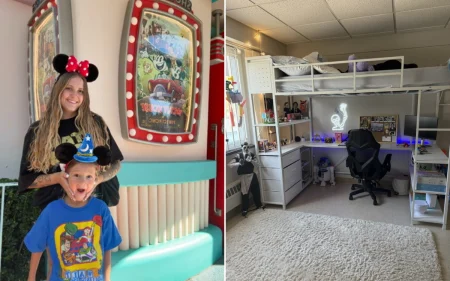



For parents who constantly navigate the beautifully chaotic storm of raising multiple young children, there is a universally recognized feeling of sudden, almost surreal stillness when all but one child temporarily leaves the house. In those quiet intervals, looking after a lone child can feel less like a high-stakes survival mission and more like a peaceful afternoon breeze—a shift in gears so dramatic that some online creators recently coined the cheeky, polarizing label of “hobby parenting” to describe it. This viral term gained traction when a mother shared an Instagram video detailing how caring for just one child over a weekend felt so spectacularly manageable, restful, and intuitive that it felt akin to a leisurely pastime rather than actual, exhausting labor. The video quickly struck a nerve, sparking a massive online discourse that exposed the deep, often unspoken divides in how we perceive family structures and parental efforts. While the term was likely meant as a lighthearted nod to the sudden drop in logistical chaos that multi-child parents experience when headcounts temporarily decrease, family therapists and child psychologists argue that framing single-child parenting in this way is not only deeply misleading, but it also actively minimizes the profound, distinct emotional challenges and unique responsibilities that define life in one-child households.
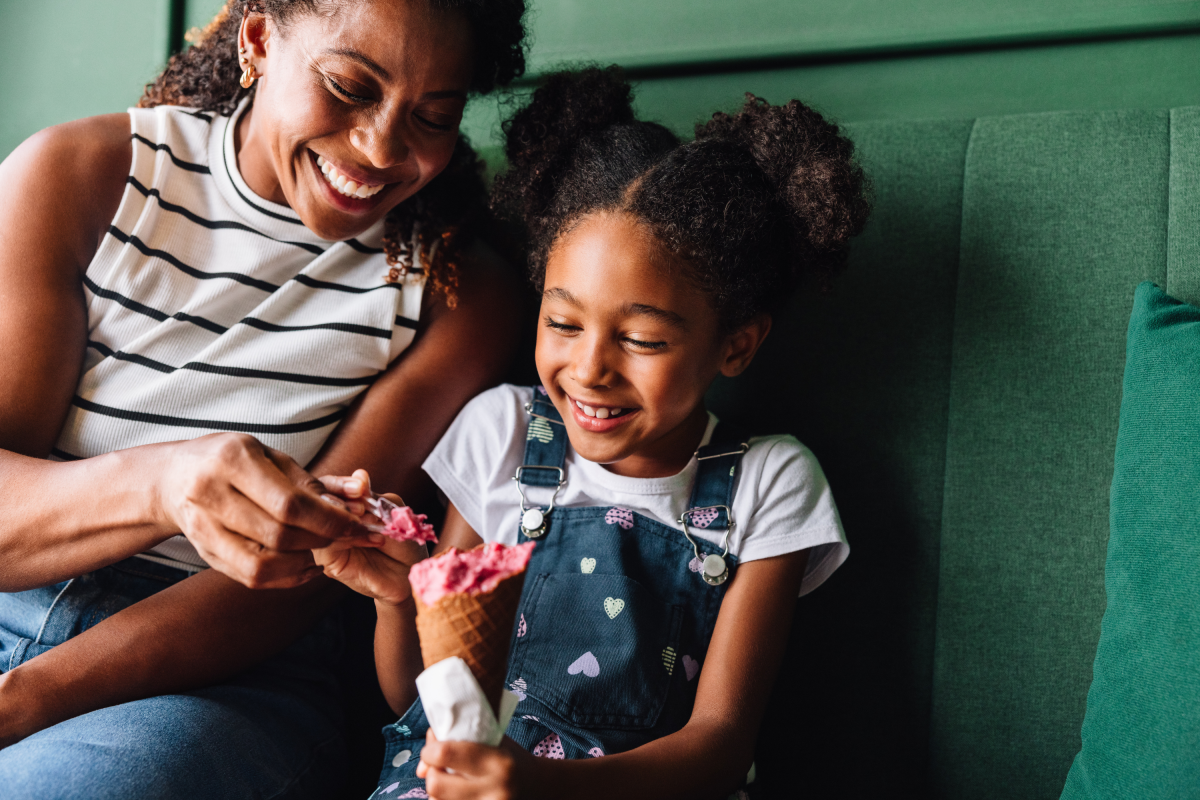
Ultimately, reducing the art of raising an only child to an easy, casual “hobby” conflates the sheer reduction of logistical demands with a reduction in actual, meaningful parenting effort. As Melissa Tract, a licensed psychotherapist specializing in family dynamics and youth, points out, having one child does not make the lifelong journey of parenting inherently easier; rather, it makes the daily experience “differently demanding” in ways that outsiders rarely appreciate. When managing a bustling household with several siblings, a parent’s energy is naturally divided, fractured into a thousand pieces as they coordinate competing schedules, referee sibling arguments, and play the role of air traffic controller for a busy home. In contrast, in a home with only one child, the parental relationship becomes highly concentrated, transforming into a deeply intense, face-to-face dynamic where there is no sibling buffer to absorb or deflect emotional energy. In these environments, there is a much higher degree of direct emotional attunement, constant one-on-one negotiation, and highly focused interaction, which can build an extraordinarily beautiful, close-knit bond, but can also inadvertently place immense emotional pressure on the child to be the sole repository of all their parents’ dreams, expectations, anxieties, and daily attention.
This intense, undivided focus requires a sustained level of emotional availability and intentionality from parents that is anything but passive or leisurely. Lisa Thomson, a registered psychologist and family therapist, emphasizes that parents of only children must step up to serve as their child’s primary playmate, conversational partner, and emotional sounding board within the home, a reality that demands a continuous, highly active psychological presence. Without siblings around to share the imaginative worlds of play or to bear the burden of parental scrutiny, the single child and their parents navigate a highly intimate emotional landscape that requires constant, mindful navigation. Thomson warns that the casual use of dismissive language—including the seemingly harmless habit of asking parents why they have “only one” child—unintentionally perpetuates a subtle, systemic cultural bias that measures the worth, legitimacy, and depth of a parenting experience solely by family size. Historically, society has comforted itself with outdated, highly inaccurate stereotypes of the lonely, spoiled, or socially awkward only child, despite decades of rigorous psychological research proving that single children develop healthy social skills and often enjoy uniquely supportive, highly secure attachments with their parents due to this focused investment of time and resources.
By reducing the diverse experiences of parenting to a simplistic competition of who has it harder, we also completely strip away the complex, deeply sensitive, and often painful contexts that dictate family size. For many parents, raising one child is not a calculated choice designed to keep life easy, but rather a path shaped by deeply personal realities that are often carried in silent grief. Decisions about how many children to bring into the world are frequently dictated by grueling, emotionally exhausting battles with secondary infertility, high-risk medical complications, severe postpartum mental health struggles, or the overwhelming financial realities of modern childcare and housing. When parents who longed for a large, bustling family but were forced by circumstance to stop at one encounter terms like “hobby parenting,” the phrase does not feel like a harmless joke; instead, it feels like a painful minimization of their lived reality, implying that their family is somehow incomplete, lesser-than, or that they are taking an easier way out. Thomson notes that many parents carry a quiet, enduring disappointment about not having the family structure they once envisioned, making societal comments that trivialize their family unit particularly alienating and insensitive.
Furthermore, trying to measure the intensity of parenting through a mathematical headcount completely ignores the countless intersecting variables that actually define a family’s day-to-day survival and happiness. Child rearing is a highly non-linear, deeply unpredictable journey that can never be accurately predicted by family size alone, as a parent’s experience is overwhelmingly shaped by their child’s unique temperament, the presence or absence of a supportive community, and their financial stability. A parent raising multiple neurotypical children with the help of involved grandparents and financial security may find their daily life far more manageable than a solo parent raising a single, highly sensitive, neurodivergent child without any external support network. By turning parenting into a comparative game of exhaustion, we feed into a toxic cultural narrative where stress and suffering are viewed as badges of honor, and where parents of larger families are pitted against parents of smaller families in a futile struggle for validation. This divisive dynamic only serves to isolate parents at a time when they desperately need solidarity, mutual compassion, and an understanding that everyone is doing their best within their unique circumstances.
Ultimately, both Tract and Thomson advocate for a gentle, much-needed shift in how we speak about and value different family structures, encouraging us to recognize that there is no single, correct blueprint for a happy home. Whether a household is filled with the constant chatter and chaotic energy of multiple children or defined by the quiet, deep, and concentrated bond of a single-child family, the fundamental essence of parenting remains the same: a profound, life-altering commitment to nurturing another human being with emotional integrity, love, and presence. Family size is not a indicator of how hard a parent works, nor does it determine the depth, validity, or ultimate success of a family’s bond. Rather than judging each other through the limiting lens of social media trends and superficial labels, we would do well to extend grace to all parents, celebrating the unique beauty of every family shape and acknowledging that the emotional labor of raising tomorrow’s adults is a monumental, deeply sacred task—no matter how many children are sitting around the family dinner table.