


Stephen Curry’s Recovery: Warriors Look to the Long Game
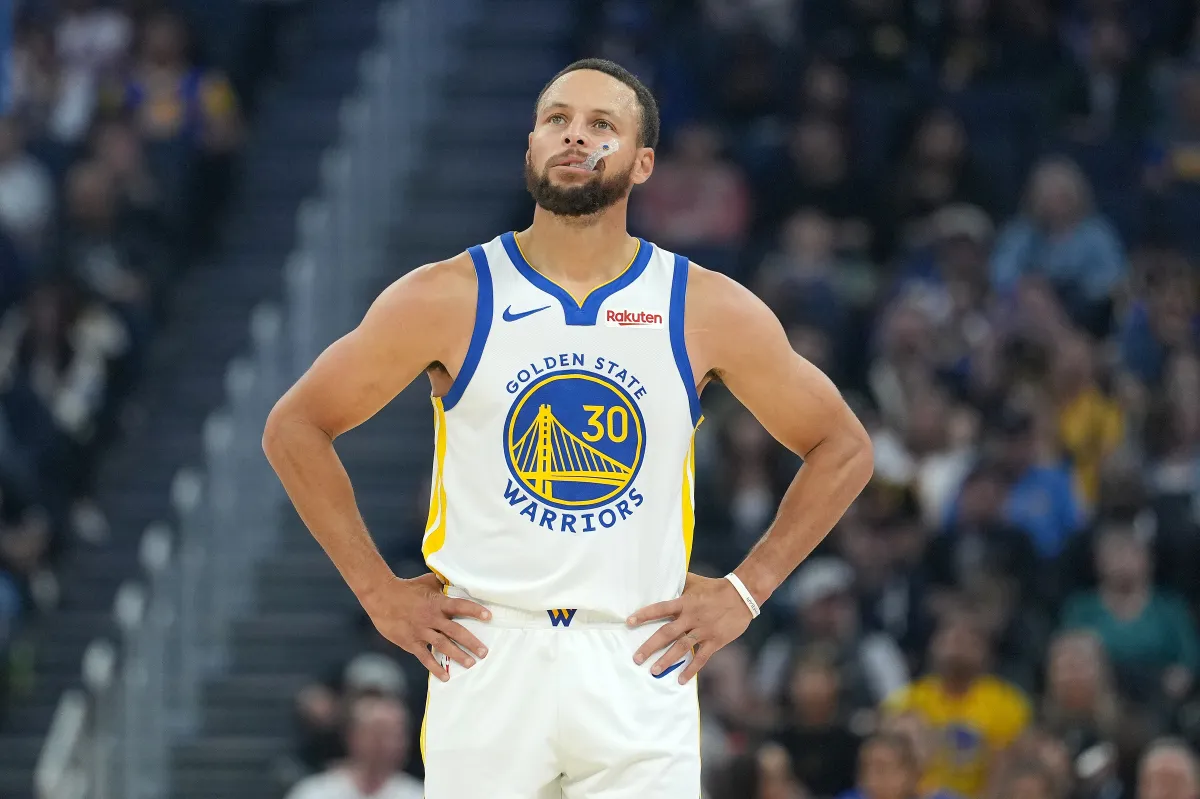
Stephen Curry, the Golden State Warriors’ superstar, will not be returning to action within his initial one-week timeline. Following a quad injury that sidelined him recently, the team has confirmed he’ll miss the entirety of their upcoming three-game road trip. This Thursday marks one week since Curry’s injury evaluation began, but fans hoping to see him against the Philadelphia 76ers, Cleveland Cavaliers, or Chicago Bulls will have to wait longer for his return.
Warriors head coach Steve Kerr addressed the situation with pragmatic clarity after Tuesday’s game against the Oklahoma City Thunder, stating, “He will not make the trip. He’s going to stay home.” Kerr explained the decision as a matter of practical recovery strategy: “It was a long shot for him to play in the back-to-back, and we don’t play again until Friday, so it just makes perfect sense for him to stay home, get the rehab done here, get his work in, and hopefully, be ready for Minnesota next Friday.” This sensible approach prioritizes Curry’s complete recovery over rushing him back to the court prematurely.
The Warriors’ next home game—and Curry’s potential return date—comes next Friday against the Minnesota Timberwolves, giving the four-time NBA champion ample time to rest and rehabilitate. This extended recovery period reflects the organization’s commitment to their star player’s long-term health rather than pursuing short-term gains early in the season. With decades of combined experience, the Warriors’ coaching and medical staff understand the importance of patience when dealing with injuries to cornerstone players, especially one who remains so vital to their championship aspirations.
The timing of Curry’s absence is particularly challenging for the Warriors, who have slipped to an 11-11 record following their recent loss to the Oklahoma City Thunder. This places them eighth in the highly competitive Western Conference, where each game can significantly impact playoff positioning. Curry’s impact on the team’s success this season has been unmistakable—the Warriors hold a 9-7 record in games where he’s participated, demonstrating his continued importance to the franchise even at this stage in his career.
Through 16 games this season, Curry has maintained his elite offensive production, averaging 27.9 points per game while shooting an efficient 47 percent from the field and 39 percent from three-point range. His all-around contribution extends beyond scoring, with averages of 3.7 rebounds and 4.0 assists per game in his approximately 31 minutes of playing time. These numbers remind us why Curry remains irreplaceable in the Warriors’ system and why the organization is taking a cautious approach with his recovery—his sustained excellence is simply too valuable to jeopardize.
The Warriors’ decision to play the long game with Curry’s health reflects both basketball wisdom and organizational maturity. In a season that will extend well into spring and potentially summer for playoff teams, sacrificing a few regular season games in December represents prudent management of their most precious resource. While Curry’s competitive spirit surely has him eager to rejoin his teammates, this measured approach to his recovery ensures that when he does return to the court, he’ll be fully prepared to display the brilliant shooting and playmaking skills that have defined his legendary career. Warriors fans can mark next Friday’s home game against Minnesota as the potential return date for their beloved star, as the team navigates this challenging stretch without their offensive centerpiece.