





Imagine driving down a long, straight highway in Montana, the kind of road that stretches out like an endless ribbon of asphalt through vast, open plains—think of it as the lifeline connecting communities across the Hi-Line. On a Thursday afternoon, that drive turned into a nightmare when a massive dust storm rolled in, forcing officials to shut down a big chunk of U.S. Highway 2 from near Dodson all the way east to the North Dakota border. The Montana Emergency Management Agency slapped on this emergency closure at 2:11 p.m. MDT, calling for an absolute halt until at least 9 p.m. Only emergency vehicles could pass through, and both lanes were out of commission. For anyone who’s ever driven that route, you know it’s a key east-west artery, crucial for getting goods and people from one side of the state to the other. It’s the kind of disruption that throws daily life into chaos—no deliveries, delayed trips home, families waiting anxiously. I can picture truck drivers cursing under their breath, pulling over to wait it out, their big rigs exposed to the whipping winds that made the air feel like it was sandpaper against your skin. This wasn’t just a minor inconvenience; it was a wake-up call to how Mother Nature can remind us who’s boss with something as simple as a gust of wind and loose soil.
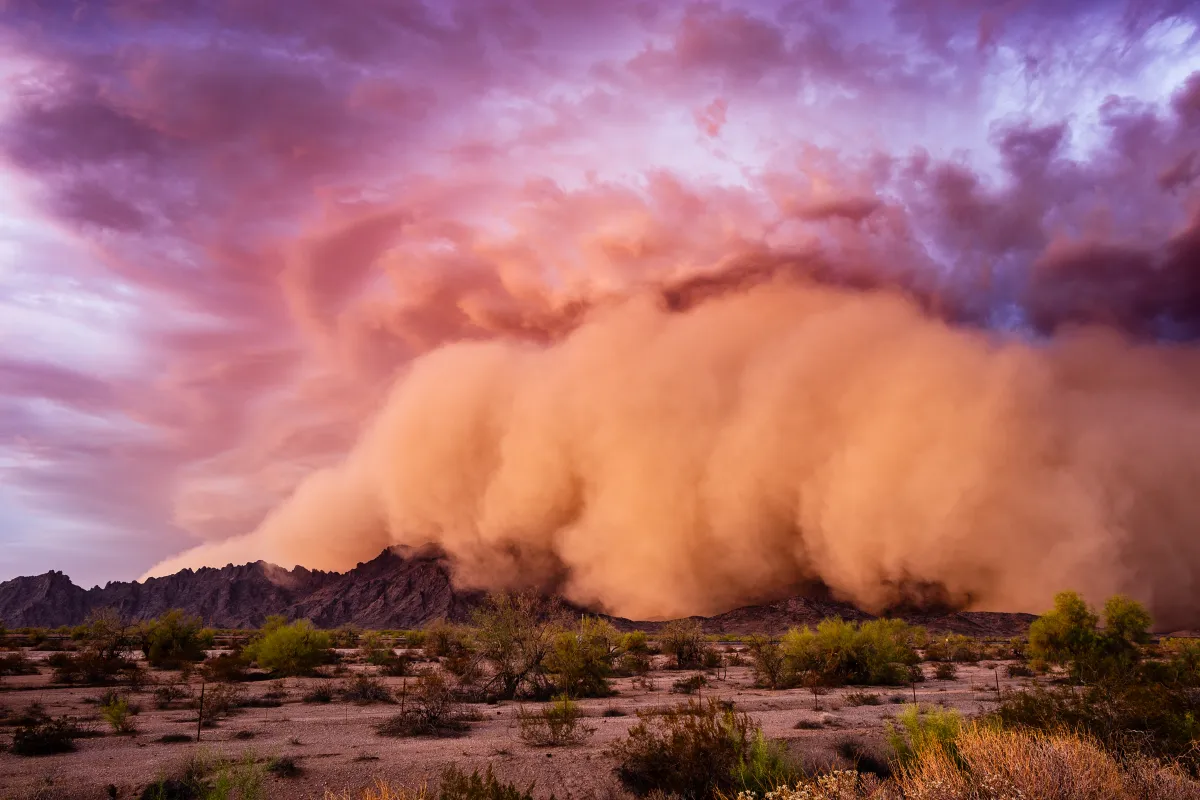
Earlier in the week, videos popped up online that captured the sheer drama of these dust storms, and honestly, watching them back gives you chills in a good, terrifying way. One clip from WeatherNation showed a thick, brown cloud advancing like some apocalyptic monster across the open terrain, swallowing the horizon and the roadway whole. It was labeled as this incredible “towering dust storm” whipped up by wind gusts reaching 70-90 mph in Northeast Montana—think of it as a haboob, that wild term for a huge wall of dust kicked up by thunderstorms. Another video, shared by weather observer Erik Johnson, described it as a “massive” behemoth near Fresno Reservoir in north central Montana, where visibility dropped to basically nothing in seconds. As someone who loves a good weather video, I remember feeling that mix of awe and dread; it’s like watching a horror movie, but in reverse, where the story is unfolding for real people caught in it. These aren’t just pretty visuals—they’re reminders of how quickly things can turn dangerous, with reports of gusts making it feel like the ground itself is rebelling against the heavens. No injuries were reported from Thursday’s closure, thankfully, but authorities pointed out that past dust events have led to serious crashes, sometimes fatal, when drivers get blindsided by zero visibility. It’s easy to imagine panicking behind the wheel, slamming on the brakes too hard, only to cause a pileup that echoes across the news.
To really understand what’s happening, let’s break down what a dust storm even is—it’s not some exotic far-away phenomenon; it’s a severe weather event right here in the U.S., where strong winds pick up loose soil, sand, and dust, hurling it into the air and choking visibility to nothing. Picture it like a giant, invisible hand stirring up the earth, creating a wall of dust that can stretch for miles and soar thousands of feet high. The National Weather Service explains that these storms hit suddenly, often with zero warning, turning blue skies into murky chaos in minutes. Driving through one? It’s like being in a fog so thick you can’t see your own hands on the wheel; headlights become useless, and every turn risks disaster. I’ve heard stories from drivers who’ve been through them—heart racing, relying on instinct as the world goes opaque. That’s why highway closures are so common; it’s better to halt everything than risk lives. These events can make you feel small, reminding you how vulnerable we are to the whims of wind and weather, especially in places like Montana’s Hi-Line, where the landscape is so exposed. It’s not just about inconvenience; it’s about survival in a region where the environment holds the reins.
Now, why are these dust storms getting worse and more frequent? Scientists and agencies like the NWS say it’s a combo punch of factors, made worse by our changing climate. Prolonged droughts dry out the soil, making it easier for winds to whip it up, while rising temperatures amplify extreme wind events—think hotter air fueling stronger gusts, like adding gasoline to a fire. On top of that, human actions play a big role: overgrazing livestock that nibbles vegetation to nothing, agricultural practices that pulverize topsoil into fine dust even without drought, and water shortages that leave fields barren. A meteorologist named Mike Albano from the NWS told Newsweek that evolving farming methods grind soil into powder, so even on “normal” days, a breeze can turn into a storm. Climate change ties it all together, drying out the land and supercharging these events. I recall reading about how, just earlier this week, a dust storm smacked Central Illinois, forcing similar alerts. It’s not just happenstance; it’s a pattern where our choices echo back through the weather. It makes you pause and think about the farms we rely on and how pushing the land too hard ends up blowing back in our faces. Without those roots of grass holding everything together, the earth quite literally blows away, affecting everyone from farmers to commuters.
Which brings us to the question: where is this hitting hardest? Traditionally, the U.S. Southwest has been the dust bowl epicenter—like history repeating with massive outbreaks—but over the last five to 10 years, these storms have crept northward, invading the Plains and Midwest. Places like the northern Plains, where Montana sits, have seen sudden visibility drops leading to massive highway shutdowns and deadly multi-vehicle pileups. In my mind’s eye, it’s terrifying to envision those foggy portraits in the news—cars accordioning into each other when the dusty wall hits. Montana’s Hi-Line is notoriously vulnerable, with its flat, windy expanse, but other states like North Dakota, South Dakota, and Minnesota are feeling the brunt too. These aren’t isolated incidents; they’re becoming a regular threat, turning everyday drives into high-stakes gambles. People in these areas are advised to stock up on supplies, understand evacuation routes, and maybe even invest in air purifiers, because the unpredictability means you could be stuck for hours. As someone who cherishes road trips through these states, it’s sobering to realize how climate patterns are reshaping the landscape, making once-reliable highways into potential traps.
Finally, beyond the road hazards, these dust storms pack a punch on air quality that hits you right in the lungs—literally turning the sky into a health hazard. While travel conditions grab the headlines, the fine particles can infiltrate homes and linger, prompting warnings to stay indoors. On Thursday, the National Weather Service issued blowing dust alerts in North Dakota, urging residents to hunker down and seal up until the air cleared. For folks with respiratory issues, like asthma or COPD, exposure could trigger real problems, turning a brief event into a medical emergency. AirNow, the government’s air-quality tracker, flagged North Dakota, South Dakota, and Minnesota as having “unhealthy” or worse levels that afternoon. Emergency managers were crystal clear: avoid unnecessary travel, keep an eye on updates because winds can shift mercy, and don’t underestimate how quickly things escalate. It makes me empathetic toward those caught in it—imagine being a parent trying to keep kids safe inside while the wind howls outside, or an elderly resident struggling to breathe amidst the invisible dust onslaught. This isn’t just about disrupted plans; it’s about protecting our communities from a force that’s as unseen as it is powerful. Staying vigilant and learning from past storms could mean the difference between brushing off an inconvenience and facing something far more serious. In the end, these events humanize the science of weather, turning data points into lived experiences that unite us in awe and caution.