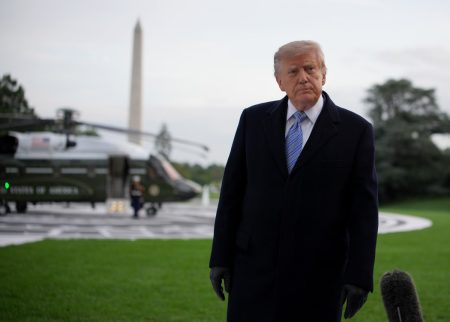



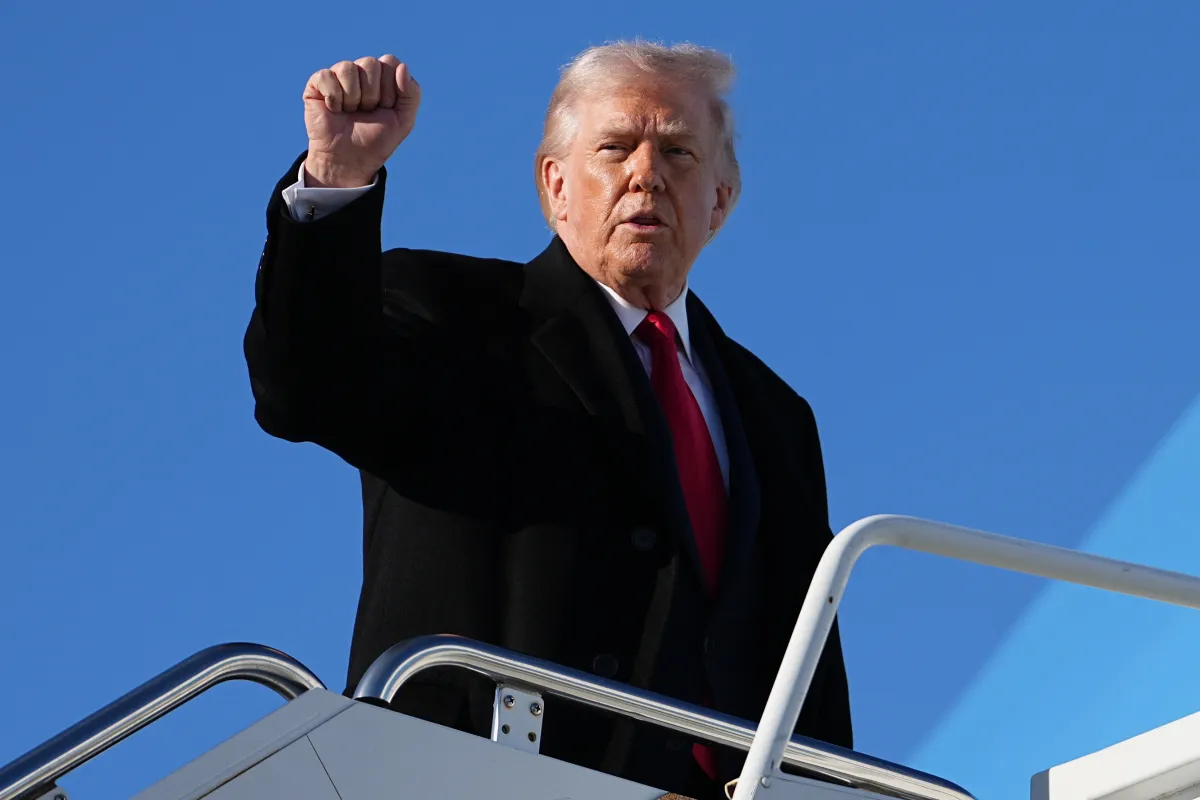
President Donald Trump, ever the showman with a flair for drama and high stakes, took to his social media platform Truth Social on a quiet Sunday, stirring up waves of anticipation across the international stage. Imagine this iconic figure, known for his bold handshakes and larger-than-life announcements, typing away in the dim glow of a screen late into the evening, crafting a post that would echo far beyond the digital realm. In his characteristic style, peppered with superlatives and a touch of brash confidence, Trump unveiled plans for a pivotal gathering that promised to reshape the turbulent landscape of the Middle East. The core of his message was simple yet monumental: an upcoming meeting of his newly formed Board of Peace, a brainchild he had introduced back in January with grand visions of brokering peace in the intractable Gaza conflict between Israel and Hamas. As someone who’s followed Trump’s long political career—from his fiery rallies to his unyielding negotiations—one can’t help but feel a mix of excitement and skepticism. Was this another Trump masterstroke, or just another grandiose pledge in a world weary of empty promises? The announcement hinted at real action, positioning the meeting as a cornerstone event where the rubber meets the road on diplomacy and humanitarian aid. Trump didn’t mince words; he declared this international body as potentially the most impactful in history, chaired by none other than himself, a man who thrived on being at the helm of major plays. For everyday people glued to headlines about endless wars and suffering, hearing about a dedicated effort to funnel billions into Gaza’s recovery felt like a glimmer of hope, a tangible break from the abstract debates that often dominate foreign policy. Yet, as with Trump’s ventures, it carried that unmistakable air of unpredictability, leaving followers wondering if this would evolve into a legacy-defining achievement or fade into the annals of bold but unfulfilled ideals.
Diving deeper into the origins of this Board of Peace, it’s fascinating to trace how Trump conjured up this entity amid the fog of global crises, drawing from his intuitive sense for bold solutions in complex arenas. Established in January, this international body emerged as Trump’s response to the Gaza imbroglio, a protracted and heartbreaking standoff that has claimed countless lives and displaced families, leaving communities shattered and economies in ruins. Picture a leader, emboldened by his outsider status and a knack for flipping scripts, proposing an organization that wasn’t just another think tank but a proactive force with multiple executive boards spanning diplomacy, development, and governance. Diplomacy would handle the delicate dance of negotiations, bridging divides between Hamas and Israel like a mediator at a tense family reunion, aiming to de-escalate hostilities through direct, no-nonsense talks. Development focused on rebuilding the infrastructure of Gaza, envisioning schools, hospitals, and factories rising from the ashes—projects that could lift ordinary Palestinians out of despair, offering jobs and stability long denied by conflict. Governance, meanwhile, would lay the groundwork for fair administration, perhaps introducing oversight mechanisms to ensure aid wasn’t siphoned away by corruption or factions, fostering a sense of accountability that resonates with everyday citizens tired of top-down imbalances. This structure wasn’t just bureaucratic jargon; it embodied Trump’s vision of pragmatic leadership, reminiscent of his real-estate deals where he assembled teams to turn decaying properties into thriving assets. For many observers, humanizing this effort means seeing it through the eyes of affected people: a mother in Gaza dreaming of a stable home for her children, or an Israeli family yearning for enduring peace. Yet, skeptics point to the challenges ahead—past peace initiatives have faltered under the weight of deep-seated mistrust and geopolitical rifts. Trump’s approach, with its emphasis on international collaboration, attempts to sidestep those pitfalls by rallying global partners, turning potential isolation into collective action.
The heart of the excitement gravitates toward the announced meeting set for Washington D.C. on February 19, envisioned as a theater of high-level discourse where ideas transform into commitments. Envision the scene: the stately halls of the nation’s capital, adorned with American flags and the subtle buzz of anticipation, as diplomats, philanthropists, and world leaders converge under the watchful eye of the media. Trump, in his element as the host with the most, would preside over discussions that blend strategic planning with the raw emotion of affected parties—perhaps featuring video calls from Gaza to humanize the stakes, showing faces of resilience and hope. This isn’t just a photo op; it’s structured as a forum where pledges are solidified, partnerships forged, and roadmaps drawn for the aid program’s execution. From an everyday perspective, attending something like this might feel surreal—think of it as a summit where the mundane realities of aid distribution meet the grandeur of international consensus, akin to a neighborhood fund-raiser scaled to global proportions. Trump’s choice of Washington underscores his deep ties to the city, a place where he once resided in the White House, signaling that this venture carries the weight of presidential authority even in his post-office years. The date itself, mid-February, implies a deliberate timing, possibly aligning with calmer political seasons to maximize focus and participation. One can almost hear the murmurs in the corridors: will key players from the Middle East attend, and how might their presence breathe life into dialogues stalled for decades? For the public, it’s an invitation to hope, a reminder that solutions are possible when leaders roll up their sleeves, much like how a community rally can inspire change in a divided town, amplifying voices that are often drowned out in the roar of conflict.
At the crux of the revelation is the $5 billion aid program for Gaza, a figure that leaps off the page like a lifeline tossed to a sinking ship, promising to alleviate the humanitarian woes that have plagued the region for years. Trump proclaimed that member states have already exceeded pledges amounting to this staggering sum, earmarked for a suite of humanitarian projects designed to heal wounds and pave paths forward. Break it down: picture funds flowing into urgent needs—medical supplies to treat the wounded, food and water to feed the hungry, education initiatives to empower the youth, and rebuilding efforts to restore homes bulldozed in the crossfire. This isn’t mere charity; it’s an investment in human dignity, humanizing the statistics of displacement and loss by focusing on real-world impacts, like a child returning to a repaired school or a farmer reviving crops on revitalized land. Trump’s announcement frames this as a collective endeavor, with countries stepping up to contribute—nations from the Gulf, Europe, and beyond, each adding pieces to a mosaic of support that showcases global solidarity. For those of us who ponder the morality of diplomacy, this aid carries ethical weight, echoing sentiments of compassion in a time when populism often overshadows empathy. Yet, challenges loom: ensuring fair distribution amid competing interests could be daunting, reminiscent of past aid efforts bogged down by bureaucracy or redirection. One feels a sense of cautious optimism, imagining how this money could catalyze progress, much like a generous donation transforms a struggling holding into a thriving cooperative. Trump’s pitch positions the Board as the steward of these funds, implying a hands-on role that leverages his experience in deal-making to cut through red tape and deliver results, turning lofty pledges into tangible relief for Gaza’s populace.
In his post, Trump didn’t shy away from touting the Board’s potential, declaring it “the most consequential International Body in History,” a boast that encapsulates his unapologetic brand of self-promotion mixed with genuine ambition. Serving as its Chairman, as he proudly stated, places him at the center of this narrative, a figure whose leadership style—direct, decisive, and often divisive—could either unify or polarize participants. This isn’t just ego; it’s a reflection of his lifelong narrative of achieving the impossible, from business empires to political comebacks, now applied to peacekeeping. For the average reader, humanizing this means understanding Trump’s motivations as a blend of patriotism and opportunism—he’s always portrayed himself as a dealmaker who gets things done, and this body represents a chance to etch his name in the annals of history alongside luminaries like Wilson or Roosevelt. His honor at chairing it hints at a personal stake, perhaps driven by a desire to leave a legacy of peace rather than just economic prowess. Yet, the statement invites scrutiny: is this hyperbole, or a prophetic vision? In a world of cynicism, people might recall similar grandiose claims that fizzled out, but Trump’s resilience suggests otherwise. The Board’s ethos, as outlined, aims to be more than symbolic, integrating diplomacy with practical aid, fostering governance that empowers locals rather than imposing foreign agendas. Emotionally, it resonates with those who’ve witnessed wars up close, evoking a sense of possibility where leaders prioritize people over politics, much like a mediator soothing family feuds.
As this story develops, with more details anticipated in the wake of the meeting, the implications ripple outward, touching on broader themes of global cooperation and the human cost of inaction. Trump’s initiative, while ambitious, underscores the delicate balance of power in the Middle East, where aid can either bridge divides or exacerbate tensions depending on execution. For everyday individuals, it prompts reflection: how might this program change lives in Gaza, offering not just aid but pathways to self-reliance and peace? Skeptics remain wary, pointing to the need for transparency and inclusivity—ensuring voices from Gaza are heard, not drowned out by high-level decrees. One imagines the ripple effects: economic boosts creating jobs, diplomatic breakthroughs easing hostilities, and a governance framework building trust over time. Yet, uncertainties persist—will pledges translate to action amid geopolitical shifts? As a developing narrative, it invites vigilance from the public, encouraging engagement through advocacy or awareness, transforming passive observers into active participants in the quest for stability. Trump’s Board of Peace, with its blend of ambition and humanity, stands as a testament to the potential for bold leadership to heal global wounds, reminding us that even in the face of entrenched conflicts, there is always room for hope and concerted effort to forge a brighter future.