

Trump Prioritizes “Law and Order” in Venezuela Over Democratic Process Following Maduro’s Arrest
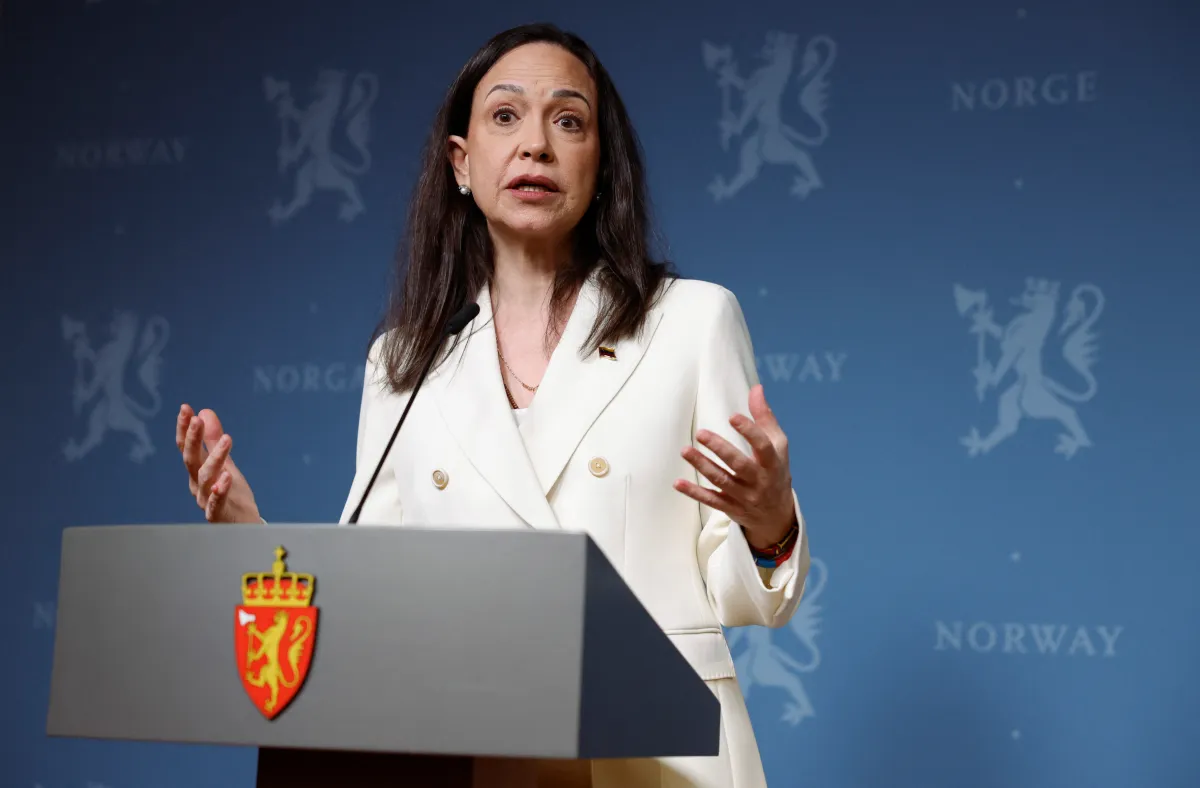
In an exclusive interview with the New York Post following the dramatic U.S. military operation resulting in Venezuelan leader Nicolás Maduro’s arrest, President Donald Trump expressed skepticism about opposition leader Maria Corina Machado’s electoral prospects while emphasizing the need to restore stability in the economically devastated country. When questioned about supporting Machado, a Nobel Peace Prize recipient widely viewed as representing democratic hopes for Venezuela, Trump was notably reserved, suggesting she lacks sufficient popular support to succeed without his backing. “I don’t think she’s got the support of the people that she has to have,” Trump stated plainly, adding that she could only win “if I did support her.” This position signals a potential shift in U.S. policy toward Venezuela’s political future, prioritizing order over immediate democratic transitions.
The President’s comments reflect a pragmatic rather than idealistic approach to Venezuela’s crisis, framing the country’s economic collapse as the primary concern that must be addressed before democratic elections. This perspective represents a marked departure from traditional American foreign policy rhetoric that typically emphasizes democracy promotion as the cornerstone of intervention. Trump appears to be positioning himself as focused on practical outcomes rather than ideological objectives, suggesting that stabilization efforts must precede political processes. His reluctance to endorse Machado, despite her international recognition as a democratic standard-bearer, indicates his administration may pursue a different path toward rebuilding Venezuela than what outside observers might expect.
Characterizing the military operation that led to Maduro’s arrest as a “complete and total victory,” Trump highlighted the operation’s tactical success while drawing parallels to previous high-profile actions under his administration. “We had nobody killed, a couple of guys wounded. We lost no helicopters or jets or planes,” he noted with evident satisfaction, comparing the mission to operations against ISIS leader Abu Bakr al-Baghdadi, Iranian General Qasem Soleimani, and strikes against Iran’s nuclear program. This framing emphasizes military effectiveness as a metric of success while potentially overshadowing questions about the long-term political implications of direct intervention in Venezuela. The comparison to past counterterrorism and military operations also signals how Trump views the Venezuela situation through a national security lens rather than primarily as a democratic transition opportunity.
When confronted with concerns that Venezuela could become another protracted military engagement similar to Iraq or Afghanistan, Trump dismissed such worries with characteristic confidence. “I don’t get concerned about things,” he responded to reports that Vice President Delcy Rodriguez is arming supporters and organizing resistance to U.S. control. This dismissal of potential complications suggests either supreme confidence in the administration’s approach or a reluctance to acknowledge the complex challenges that typically follow regime change operations. The comparison to Iraq and Afghanistan is particularly significant given America’s difficult experiences in both countries, where initial military successes gave way to years of insurgency and nation-building challenges that proved far more difficult than anticipated.
The President’s focus on “law and order” over immediate democratic elections represents a significant policy position that may shape Venezuela’s future trajectory. By prioritizing stability and economic recovery before political transition, Trump appears to be endorsing a sequential approach rather than simultaneous pursuit of these objectives. This stance raises questions about the timeline for democratic restoration in Venezuela and what role the United States envisions for figures like Machado who have built their platforms on immediate democratic reform. It also indicates that Trump may be preparing the American public for a longer-term engagement in Venezuela focused initially on security and economic stabilization rather than rapid democratic transitions.
As this breaking news story continues to develop, the international community will be watching closely to see how Trump’s vision for Venezuela’s future unfolds in practice. His interview comments suggest a potential realignment of American priorities in the region, emphasizing practical outcomes over ideological commitments to immediate democratic processes. The success or failure of this approach will likely depend on numerous factors, including the response of the Venezuelan military, the resilience of pro-Maduro forces, international reactions, and whether economic improvements can be delivered quickly enough to build popular support for whatever interim governance structure emerges. For Machado and other opposition figures, Trump’s lukewarm assessment represents a significant challenge to their aspirations and may force recalculations about how to secure American support for their democratic vision.