

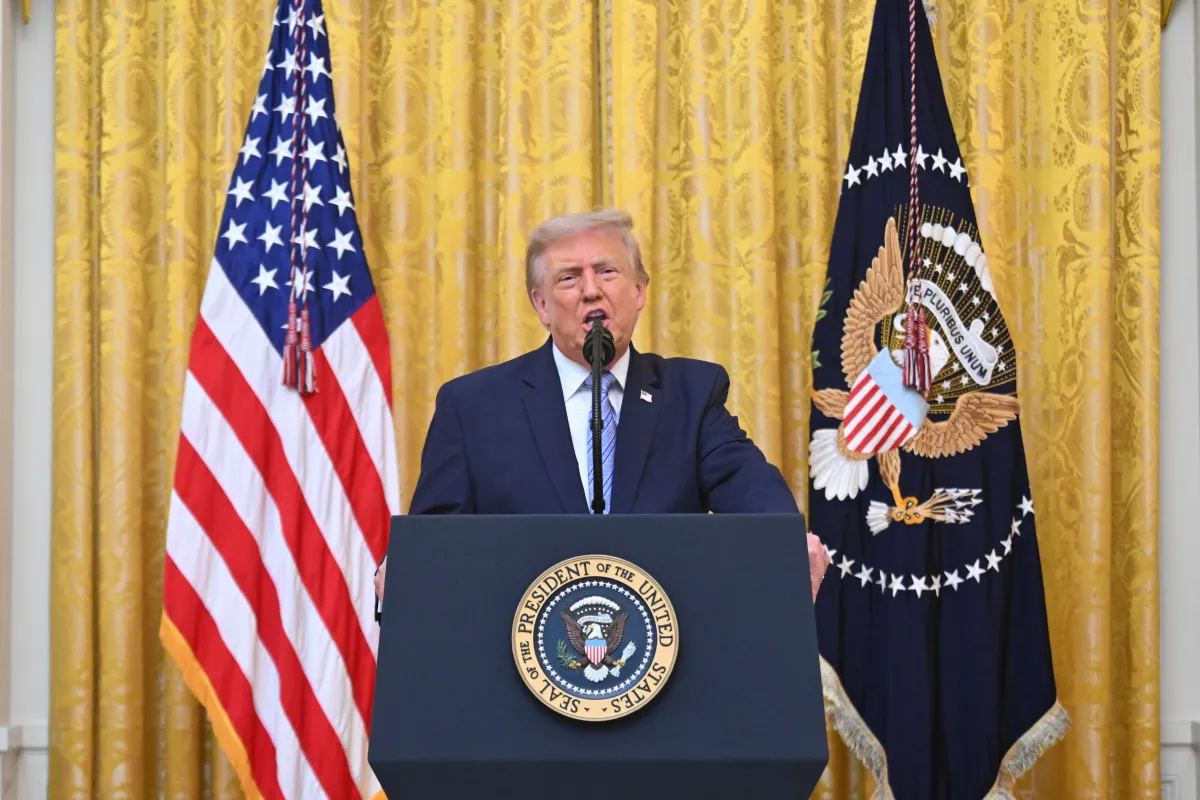
In a move that of-the-moment political observers view as both a calculated distraction and a highly unusual breach of standard intelligence protocols, the White House recently declassified and uploaded a raw batch of highly sensitive documents to its public website. Released on a Thursday evening, these files suggest that both Chinese and Russian state-sponsored actors actively targeted Joe Biden’s presidential campaign during the high-stakes 2020 election cycle. However, the timing of the release spoke volumes about the current political climate: the documents emerged just as Donald Trump delivered a primetime address aimed at casting deep suspicion over the legitimacy of the entire American electoral system. As Trump continues to campaign heavily for more restrictive voting laws ahead of the upcoming midterm elections, his allies are pointing to these newly public records as proof of foreign meddling. Yet, national security experts warn that releasing such fragmented records without administrative context serves to muddy the waters rather than clarify them, transforming nuanced intelligence reports into political ammunition.
During his address, Trump asserted that his administration had unearthed definitive proof of Chinese operatives successfully exploiting critical vulnerabilities in U.S. voting infrastructure. He used these claims to bolster his ongoing narrative that the 2020 presidential race was stolen through systemic vulnerabilities and foreign sabotage. However, independent reviews of the newly published files, including an in-depth analysis by CNN, reveal a massive gap between the former president’s rhetoric and the actual findings of the intelligence community. The declassified files do not support the claim that any vote counts were altered, nor do they suggest that foreign interference changed the outcome of the 2020 election. Instead, the documents portray a standard, albeit deeply concerning, landscape of routine foreign espionage and digital posturing. This discrepancy has drawn fierce criticism from a broad coalition of lawmakers and Democratic leaders, who argue that the White House is selectively sharing sensitive information to validate insubstantial conspiracy theories and undermine public trust in democratic institutions.
The documents themselves consist of a disorganized compilation of internal investigation notes, raw intelligence briefings, and diplomatic correspondence, all presented completely stripped of the analytical context that usually accompanies public intelligence releases. Among the most discussed items is a memo from the Central Intelligence Agency (CIA) dating back to the summer of 2020. This memo reveals that federal cyber analysts had indeed detected Chinese state-sponsored hackers targeting the Biden campaign’s digital infrastructure. According to the CIA’s assessment at the time, this cyber activity was primarily aimed at intelligence gathering to help Beijing understand the potential policy directions of a future Biden administration. Crucially, the memo explicitly notes that the U.S. intelligence community assessed that China did not possess the intent to covertly interfere or sway the election’s outcome, though the agency warned that the gathered intelligence could have been weaponized had Beijing’s strategic goals shifted.
Simultaneously, the released cache features a National Intelligence Council assessment focused on Russia’s covert influence campaigns during the same period. This document details a multi-pronged Russian strategy designed to denigrate Biden, whom the Kremlin viewed as a core representative of an aggressively anti-Russian American foreign policy establishment. Rather than hacking voting machines, Russian operatives and state-aligned proxies focused their efforts on influence operations, spreading damaging narratives about Biden and his family across digital spaces. The assessment also noted that Kremlin-linked actors sought to actively boost Trump’s candidacy on social media platforms, hoping to deepen domestic divisions within the United States. Together, these reports paint a picture of two global adversaries pursuing very different online strategies: China quietly gathering intelligence on a potential future president, and Russia actively trying to manipulate public opinion to weaken a specific candidate.
By dumping these raw files directly onto the internet, the administration has reignited a fierce national debate over how intelligence is weaponized for domestic political advantage. Critics argue that presenting these documents without expert commentary mimics the tactics of online misinformation campaigns, allowing partisan actors to cherry-pick sentences to support wild theories of election fraud. For everyday voters, trying to decipher complex intelligence reports can be incredibly confusing, especially when political leaders use the data to validate their own grievances. National security analysts emphasize that foreign cyber espionage is a continuous, year-round threat that affects both major political parties, and conflating routine intelligence gathering by foreign nations with actual, successful election tampering does a profound disservice to the public’s understanding of national security.
As this developing story continues to unfold, the fallout from the document dump is expected to reverberate across Capitol Hill and influence the debate surrounding upcoming election security bills. While the White House’s move was intended to raise alarm bells about foreign threats to justify sweeping changes to voting laws, it has instead highlighted the growing polarization surrounding how America protects its democracy. For now, the consensus among non-partisan cybersecurity experts and intelligence professionals remains steady: while China and Russia undoubtedly targeted the 2020 campaigns to gather information and sow discord, the integrity of the actual ballot box remained secure. As the midterms approach, the challenge for the American electorate will be separating genuine national security warnings from the noisy, politically charged narratives designed to keep the country divided.