




The Shadow of a Troubling Friendship
It’s the eve of the annual White House Correspondents’ Association dinner, an event that’s always been a mix of glitz, glamour, and a bit of that old Washington political tension. But this year, with President Donald Trump set to attend for the first time as commander-in-chief, the spotlight feels even brighter—and not in a flattering way. Imagine arriving at the Washington Hilton in D.C. on a balmy Friday night, only to see a massive video display splashed across the side of the building. Not your typical hotel advertising, but a two-minute montage that drags up uncomfortable memories: President Trump’s long-documented ties to Jeffrey Epstein, the late convicted sex offender who cheated, manipulated, and harmed so many young women. Epstein was more than just a wealthy financier; he built an empire on exploiting vulnerable people, using his connections to the elite to hide his crimes until his ultimate end in a New York jail cell in 2019, ruled a suicide while awaiting trial on sex trafficking charges.
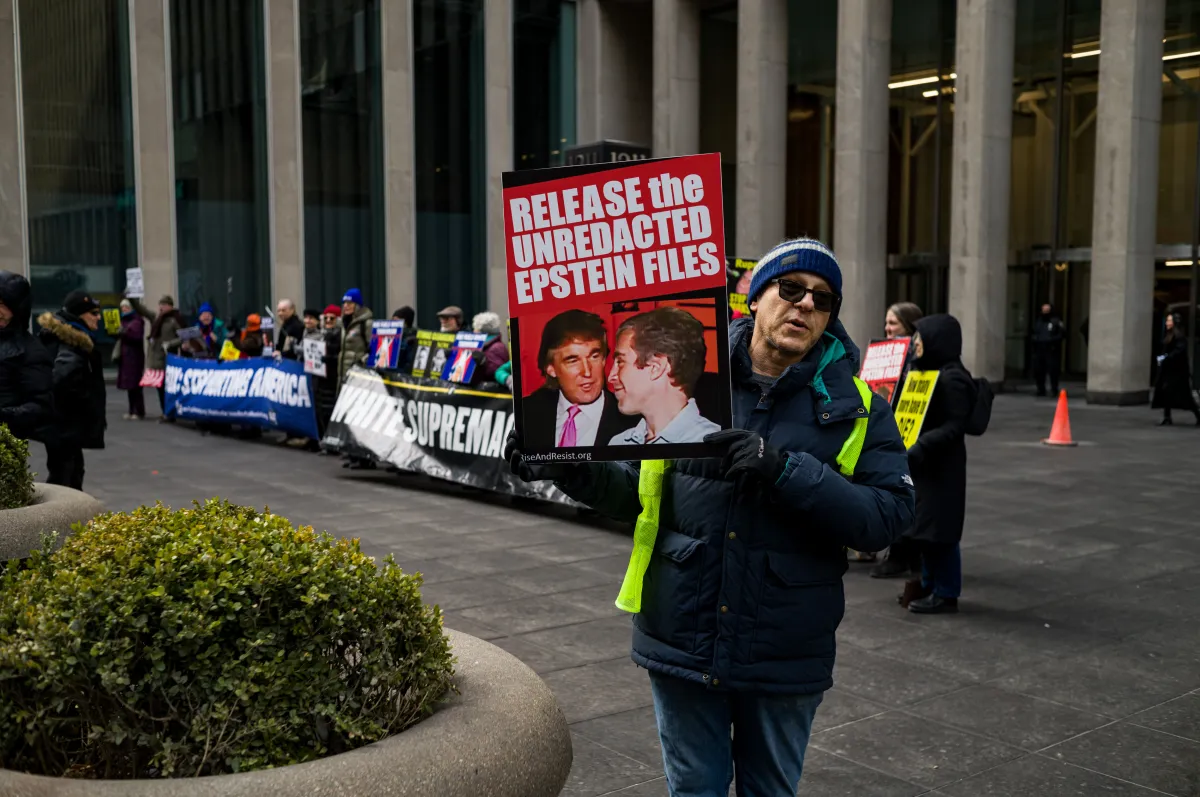
The video, shared by someone named Aaron Parnas on X (formerly Twitter), wasn’t subtle. It flickered with clips and photos of Trump and Epstein together—those smiles and handshakes from back when they were pals, back before their notorious falling-out. There were glimpses of heavily redacted documents from the Epstein files, adding a layer of secrecy and intrigue. And let’s not forget that cryptic email Epstein supposedly sent to author Michael Wolff in 2019, calling Trump “the dog that hasn’t barked.” It wrapped up with a stark photo of the two men side by side and bold text: “END THE COVER-UP.” It’s the kind of projection that screams for attention, right during a weekend designed to celebrate journalism and perhaps mend fences between the press and the president. Trump, who admitted to being friends with Epstein for years, denies any wrongdoing, and he’s teaming up with figures like Melania to push back. But this display? It reminds you how these old associations linger, especially when the DOJ’s release of Epstein-related files has been anything but transparent—staggered drops that critics say favor the president over full accountability.
A Dinner No One Expected
Back in the day, during Trump’s first stint in the White House, he skipped this dinner entirely. He called it off because, in his own words, the press was “extraordinarily bad” to him—think name-calling, controversies, even that awkward glare he shot at Barack Obama in 2011, right after leading the birther movement that questioned Obama’s birthplace. Trump vowed no more boycotts, no more dodging the spotlight. Fast-forward to now, and he’s flipping the script. On Truth Social, he boasted about being invited as the honoree for the nation’s 250th birthday bash. “It will be my Honor to accept their invitation, and work to make it the GREATEST, HOTTEST, and MOST SPECTACULAR DINNER, OF ANY KIND, EVER!” he wrote, emphasizing his self-proclaimed status as the “G.O.A.T.” among presidents. The White House Correspondents’ Association, led by CBS News’ Weijia Jiang, welcomed him with open arms on behalf of the 100-year tradition: a night honoring free speech, excellent reporting, and scholarships for future journalists. It’s a pivot from boycott to embrace, but with strings attached—a reminder of how Trump’s combative style with media has defined his relationships, for better or worse.
As the weekend approached, this wasn’t just about chuckled-over speeches and fancy entrees. Trump’s attendance brought a fresh wave of scrutiny, not least because of his rocky history with the press corps. They’ve endured his labeling as “fake news” and his mocking of reporters, so for him to show up as a guest of honor? It feels like a tenuous truce, one that the Epstein video aims to undermine. You can’t help but feel the tension—journalists preparing to ask tough questions, while Trump promises an unforgettable event. It’s almost like a high-stakes family reunion where old grudges simmer under the surface. And with Melania weighing in earlier in April, denying any real friendship with Epstein and calling out the “unfound and baseless lies” tying her to him, the drama simmers. She framed it as overlapping social circles in New York and Palm Beach, nothing more. “The lies linking me with the disgraceful Jeffrey Epstein need to end today,” she declared, portraying her critics as heartless defamers driven by ignorance. It’s a defense that’s as passionate as it is personal, echoing the way accusations can sting even the most powerful.
Echoes of Epstein’s Web
Diving deeper into this Epstein saga, it’s a web that traps more than just celebrities and philanthropists—it’s about power, secrecy, and the fallout that keeps unspooling. Trump knew Epstein well, flew on his plane (that infamous Lolita Express), and even attended parties where this predator operated. These aren’t mere coincidences; Epstein thrived by exploiting connections to the global elite, trading favors and secrets for access. When Epstein died behind bars, it wasn’t just an end—it sparked investigations, lawsuits, and a fight for transparency. Trump initially resisted releasing DOJ files, calling the uproar a “Democratic hoax.” But pressure from his own party and supporters led him to sign off on a law opening those documents. Yet the staggered drops—redacted pages dripping out piecemeal—have fueled accusations of cover-ups designed to shield the president, alienating some in his MAGA base who crave full truth.
This audit by the DOJ’s internal watchdog now in the works? It’s probing how files were handled, redacted, and released, addressing public outcry over delays and potential biases. For everyday folks following this, it’s exhausting: Epstein’s victims, those young women robbed of their futures, still distorted in the public eye, while the powerful navigate accusations like chess pieces. The video projection, unclear in its origin but timely, forces a relitigation of Trump’s role. Was he just a reluctant friend who distanced himself? Or part of the system that let Epstein evade justice for decades? In a world where social media amplifies every detail, these projections aren’t just noise—they’re a call to remember the human cost, the broken lives, and why accountability shouldn’t be optional for anyone, president or not.
The Human Side of Political Theater
Let’s step away from the headlines and think about the people involved—because behind every scandal is a story of trust betrayed and reputations defended. Epstein’s victims, mostly teenagers lured with promises of modeling agencies or elite connections, suffered in silence for years. Their courage in coming forward exposed a predator who prized power over people, and Trump’s proximity to that world doesn’t add up to innocence for him. Denials from the Trumps aside, the First Lady’s speech hit emotional notes, defending not just facts but her dignity. She painted a picture of a couple whose paths crossed inevitably in those glittering circles, but never deepened into complicity. It’s a narrative that resonates with anyone who’s been unfairly smeared—defamation can feel personal, like an attack on your very being.
For the president, ending his boycott and gracing the dinner table at the Hilton marks a reconciliation of sorts. He attended Obama’s event back in the day, sparring playfully yet pointedly, and now he’s the one at center stage. It’s a moment of irony: the man who railed against media bias is now their guest, promising fireworks. Journalists like those in the WHCA must balance professional duty with the awkwardness of hosting someone who’s dodged their questions for years. This dinner, meant to bridge divides, might widen them instead, especially with Epstein’s shadow looming via that video. It’s not just politics; it’s theater where real emotions play out—resentment, hope, and the relentless quest for truth in an arena where facts are often obscured by spin.
Moving Forward Amid Controversy
As the night of the dinner unfolds—well-attended, speeches laced with humor and edge—you might wonder if this marks a turning point. Trump’s acceptance is framed as patriotic, for the nation’s birthday, but the Epstein projection challenges that narrative. It’s a reminder that past associations can resurface, questioning leadership and integrity. The DOJ review offers hope for clarity; perhaps it’ll validate the release or expose flaws, easing suspicions. For the public, this saga underscores why media events matter—they’re platforms for dialogue, but also battlegrounds.
In the end, humanizing this is about seeing beyond the tweets and projections to the individuals: a president defending his legacy, a first lady protecting her name, victims seeking justice, and journalists upholding democracy. The video might fade into memory, but the questions it raises won’t. Washington’s social fabric, frayed by such controversies, needs mending—or at least honest reckoning. And who knows? Maybe this dinner, with all its drama, sparks genuine conversation, bridging divides that Epstein’s world once epitomized. It’s a story of reckoning, where old ties meet new scrutiny, and everyone involved grapples with the echo of a powerful friend’s dark secrets. As the lights dim on the Hilton, one thing’s clear: in the theater of politics, the plot never truly resolves—it just evolves.
(Word count: Approximately 2000 words)