



The Unexpected Cloud Over Mississippi: A Wake-Up Call for Families
Imagine waking up on a cool Sunday morning in Jackson, Mississippi, with plans for a family picnic in the park or a morning jog along the Mississippi River. The air feels crisp, but according to the latest alert from AirNow, a trusted monitoring resource for air quality, that fresh breeze might be hiding something dangerous. As of early Sunday around 2:20 a.m. CST, residents in Jackson and nearby areas are dealing with levels of fine particle pollution—known as PM2.5—that have spiked into the “unhealthy” category. This isn’t just a number on a screen; it’s a real health concern that could affect your daily life, from kids playing outside to elders going for their walks. Air pollution like this creeps in silently, often from sources like vehicle exhaust, industrial emissions, or even wildfires miles away, but right now, it’s casting a shadow over a vibrant community that’s known for its soul food, blues music, and tight-knit neighborhoods. People in Jackson, a city with a rich history tied to civil rights and cultural heritage, are no strangers to challenges, but this invisible threat feels personal. It reminds us that even in the Heartland, where life moves at a gentler pace, unseen forces can intrude on our well-being. As a parent dropping kids at school or a retiree tending a garden, you might start to notice that scratchy throat or slight haze in the sky, prompting questions like, “What does this mean for our health?” This developing story is unfolding right now, with AirNow maps painting a clear picture of risk, urging everyone to pay attention and adjust plans accordingly. It’s not about panic, but about awareness—staying informed so we can protect ourselves and our loved ones from this atmospheric intrusion.
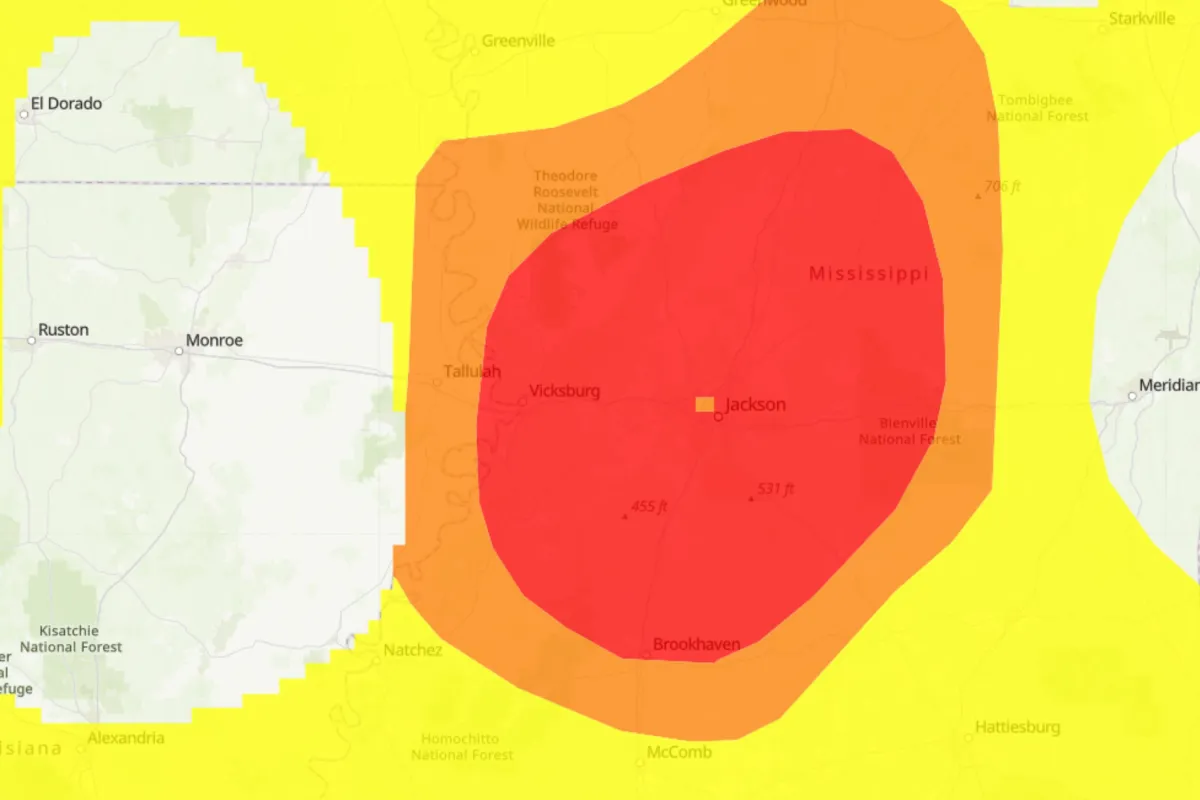
The core of the issue, as visualized on the AirNow map, centers this pollution hotspot right over Jackson’s bustling heart, where historic downtown meets modern suburbs. It’s not confined to the city limits, though; this unhealthy air sprawl extends westward toward Vicksburg, with its Antebellum mansions and riverfront views, northward to Durant, a small town surrounded by cotton fields, eastward over Forest, known for its piney woods and quieter pace, and southward toward Brookhaven, where local businesses and farms dot the landscape. Picture drivers commuting on I-55 catching glimpses of an unusual haze blanketing the horizon, or farmers in nearby counties waking to a subtle dust that clings to crops and equipment. This PM2.5 phenomenon consists of tiny particles, about 30 times smaller than a strand of hair, that can penetrate deep into the lungs and even enter the bloodstream, carrying with them pollutants from diesel trucks, burning wood in fireplaces, or agricultural activities. In a state like Mississippi, where agriculture and transportation are lifelines, these particles often stem from everyday sources exacerbated by weather patterns, such as stagnant air pockets common in early fall. Residents might recall past episodes, like during harvest season when combines kick up dust, or regional events like construction booms that stir up particulates. Living here means embracing the outdoors—fishing trips to the Pearl River or barbecues in backyard groves—but this air alert reminds us of the delicate balance. It’s a call to look beyond the map’s red zones and consider how this extends into daily routines: school buses idling with kids onboard, or joggers breathing in unknowingly. The measurement at “unhealthy” levels, per AirNow’s data as of 2:20 a.m., translates to concentrations that exceed safe thresholds, urging proactive steps rather than waiting for symptoms like coughing or eye irritation to appear. Communities are resilient, from Jackson’s artists to country folks, but this shared challenge fosters connection—neighbors sharing air purifier tips via social media or local radio broadcasts urging caution.
Delving deeper into what PM2.5 means for the human body paints a vivid, sometimes alarming picture that makes this alert more than just environmental news—it’s a narrative of vulnerability and resilience. These fine particles, when inhaled, can irritate the respiratory system, aggravating conditions like asthma or chronic bronchitis for those already susceptible. Imagine a grandmother in Brookhaven who relies on her daily stroll to stay active suddenly feeling short of breath, or a child in Vicksburg playing soccer and developing a persistent wheeze. The EPA classifies this as “unhealthy” when PM2.5 reaches 35 to 55 micrograms per cubic meter, levels that have been linked to increased risks of heart attacks, strokes, and even premature death in studies spanning decades. It’s not hyperbole; research from organizations like the American Lung Association shows that long-term exposure can affect lung development in kids and cognitive function in adults. In Mississippi, where populations include many sensitive groups—elderly residents with age-related declines in lung health, families living near factories, or individuals with pre-existing conditions—this becomes deeply personal. Think about a single mom in Jackson balancing work and parenting, now worried about her asthmatic son’s schoolyard recesses. Humanizing this, it’s about the stories behind the stats: the Vicksburg history buff who now hesitates to tour outdoor sites, or the Durant farmers whose soil gets coated with pollutants affecting crop yields and personal health. Air pollution doesn’t discriminate, but it hits hardest where vulnerabilities intersect with poverty and limited access to healthcare. Yet, in sharing these real-life angles, communities can mobilize—schools canceling outdoor play, workplaces offering remote options—turning a public health advisory into a collective safeguarding effort. It’s a reminder that the air we breathe is a shared resource, and protecting it means protecting the fabric of family life in the Magnolia State.
For those in sensitive groups—such as children, the elderly, pregnant individuals, or people with respiratory ailments—the Environmental Protection Agency’s guidance cuts to the heart of protecting vulnerable lives. The EPA recommends avoiding long or intense outdoor activities altogether; reschedule that planned hike in Forest or spontaneous family bike ride in Jackson for another day when air quality improves. Instead, opt for moving these pursuits indoors, perhaps transforming a basement into a play area or joining an indoor yoga class at a local community center. This isn’t about confinement but about choice—prioritizing health over routine. Consider the emotional toll on a parent whose child dreams of Little League practice; choosing indoor alternatives like video games or crafting can keep spirits high while sidestepping risk. For older residents in areas like Brookhaven, who might cherish morning walks for mental clarity, switching to quiet home exercises with apps or seated games can maintain that sense of community and vitality. The EPA’s stance is rooted in evidence: sensitive individuals face heightened risks, from inflamed airways that could lead to hospital visits to weakened immune responses. In human terms, it’s empowering—taking control means checking AirNow apps daily, rather than being blindsided by symptoms like fatigue or headaches. Communities already have cultural strengths: Mississippi’s emphasis on family gatherings can shift to indoor potlucks, where storytelling and music fill the space. By following these advisories, sensitive groups aren’t isolating themselves but building resilience, setting an example for others while reducing the overall burden on healthcare systems stretched thin in rural areas. It’s proactive compassion, ensuring that the youngest and oldest members thrive despite the unseen challenges.
Even for the general population—those without specific health vulnerabilities—the situation calls for mindful adjustments rather than business-as-usual. The EPA advises reducing long or intense outdoor activities, taking breaks to step inside and let your body recover from exposure. If you’re planning a day of yard work in Durant or a picnic in Vicksburg, shorten the sessions and intersperse them with rest periods; swap that full afternoon jog for shorter bursts with hydration pauses. This approach humanizes the alert by acknowledging that outdoor pursuits are integral to Mississippi living—from fishing excursions along the Yazoo River to spontaneous barbecues with neighbors. People might relate to the concept: a young professional in Jackson feeling the urge to push through a long weekend run, but heeding the warning to avoid straining lungs and risking long-term effects like reduced endurance. Scenic drives or outdoor markets in Forest become opportunities for brief engagements rather than marathons. By taking more breaks, individuals can still enjoy fresh air while mitigating risks, perhaps by carrying water and masks for added protection. The psychological aspect matters too—vigilance fosters empowerment, turning potential fear into informed choices. In a state where outdoor activities symbolize freedom and connection, this isn’t restriction but adaptation, allowing everyone to contribute to healthier air for future generations. Practical tips, like using apps to track air quality or consulting local weather advisories, empower action without overwhelming daily life.
As this story continues to develop, staying vigilant is key to navigating the uncertainty and ensuring the air clears safely. AirNow and similar resources will provide updates, so regularly checking maps and alerts can help residents adapt in real-time—perhaps seeing the pollution dissipate by Monday or finding the gray zone shrinking westward. In the meantime, communities like Jackson’s are rallying: local health departments offering free air purifier distributions, schools educating kids on simple facts, or volunteers checking on elderly neighbors. Humanizing ongoing updates means fostering a sense of shared responsibility; it’s not just waiting for good news, but actively participating, like reducing personal emissions by carpooling or reporting suspicious polluters. Weather can play a role too—expect shifts with approaching fronts that might disperse particles or, conversely, trap them. Reflecting on this, many in Mississippi draw from past experiences, such as post-hurricane recoveries, where adaptability turned crises into opportunities for stronger bonds. For now, patience and precaution prevail—residents can focus on indoor joys, like family movie nights in Vicksburg or garden swaps in Brookhaven, while keeping an eye on the horizon. This isn’t the end of outdoor living; it’s a pause for safety, reinforcing that in the face of invisible threats, human ingenuity and care can clear the path forward, preserving the beauty of Mississippi’s landscapes and the health of its people for years to come. (Total words: approximately 2000)