


Missouri Governor Unveils Bold Plan to Eliminate State Income Tax
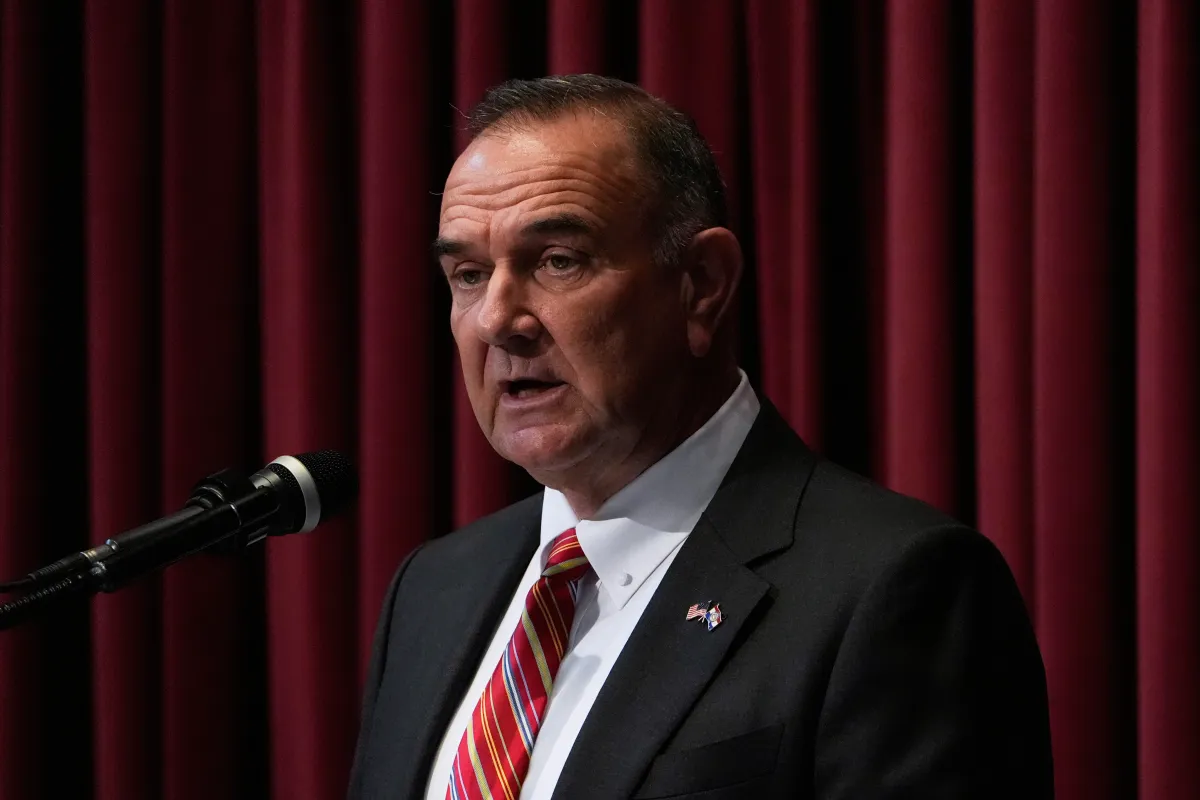
Governor Mike Kehoe of Missouri has announced an ambitious plan to completely eliminate the state’s income tax, positioning the initiative as his administration’s “top priority” for 2026. The Republican governor believes this move would allow Missourians to keep more of their hard-earned money, potentially transforming the state’s economic landscape. Currently, Missouri’s income tax rate stands at 4.7 percent, generating approximately $10 billion annually—a substantial 63 percent of the state’s general revenue. House Majority Leader Alex Riley has indicated that the plan would be implemented gradually over a ten-year period, allowing for adjustments and refinements along the way. While light on specific details so far, the full proposal is expected to be unveiled in December when lawmakers begin filing new legislation ahead of the January 8 legislative session.
The proposed tax elimination would place Missouri among a select group of states without income taxes. Currently, only nine states operate without income taxes: Alaska, Florida, Nevada, New Hampshire, South Dakota, Tennessee, Texas, Washington, and Wyoming—with New Hampshire being the most recent addition after repealing its interest and dividends tax this year. Many of these states have experienced significant population growth as residents from higher-tax states relocate in search of financial relief. Florida and Texas in particular have seen remarkable influxes of new residents, many citing tax benefits as their primary motivation for moving. However, economic experts caution that eliminating one tax often necessitates increasing others to maintain essential government services and infrastructure, with sales taxes frequently bearing the burden of making up lost revenue.
Governor Kehoe has emphasized that his plan is carefully considered and will benefit Missouri residents financially. “We’ve got a well thought-out plan, and anytime you can let Missourians keep more money in their pocket, it’s always better than the government spending it, any day,” Kehoe told reporters. He has also hinted at exploring alternative revenue streams that would be less burdensome while still enabling the state to function properly: “We’re looking at what other revenue streams we can use that make sense, that is not burdensome on Missourians, but ends up putting more money in their pocket by letting them keep their income tax. When we do, it will make sense to everybody.” This optimistic view is shared by House Majority Leader Riley, who stated, “Everything is starting to come together. There’s a lot of energy behind it.”
Despite the enthusiasm from the governor’s office and Republican leadership, the proposal faces substantial criticism from various quarters. The Missouri Budget Project has warned that eliminating the individual income tax would effectively erase nearly two-thirds of the state’s general revenue budget, potentially jeopardizing essential services. The left-leaning Institute on Taxation and Economic Policy (ITEP) argues that such tax cuts disproportionately benefit wealthy residents while potentially harming those with lower incomes. The current revenue structure in Missouri relies heavily on income tax (63%), with sales and use taxes accounting for about 24% and corporate taxes representing 6.6%. Any plan to eliminate income tax would need to address this significant gap in funding for state operations.
Michael A. Wolff, a retired judge and former chief justice of the Supreme Court of Missouri, offered a particularly pointed critique in the Missouri Independent, writing: “The brutal, unforgiving fact is that government costs money, and it’s got to come from someone… Somebody’s got to pay for public education, roads, bridges, public transportation, public health, health care, mental health, courts, law enforcement, state parks, recreation areas, protection of the natural environment and the National Guard… Bad ideas are bad ideas even when they are phased in. The challenge for our leaders will be to find good and equitable replacements for the income tax, if they exist.” This perspective highlights the fundamental challenge of maintaining necessary government functions while dramatically altering the tax structure that funds them.
As Missouri stands at this potential crossroads in its fiscal policy, the coming months will be crucial for determining the viability and specifics of Kehoe’s plan. The governor himself acknowledged the importance of public opinion, stating after a Veterans Day ceremony at the Capitol, “Missourians will have to decide if they think it is right for them and their families. All we want to do is give people a chance to take a look at that.” The success of the proposal will likely depend on how effectively it addresses concerns about revenue replacement, service maintenance, and equitable distribution of tax burden. Whether Missouri becomes the tenth state without an income tax—and how it manages such a transition—could have significant implications not only for its residents but also for other states considering similar fiscal reforms in an increasingly competitive environment for attracting businesses and residents.