

A Shocking Revelation in a World of Faith and Forgiveness
Imagine the quiet corridors of Glenview Adventist Academy in Phoenix, Arizona, where children laugh and learn under the banner of Seventh-day Adventist teachings, a place where Christ is woven into every lesson. But last month, that harmony was shattered when Anthony Oucharek, the beloved principal since 2023, was abruptly placed on administrative leave. At 63, he had built a life of service in Christian education, inspiring students to see God’s hand in their growth. Yet, officials from the Arizona Conference of Seventh-day Adventists acted on disturbing news: allegations of sexual assault dating back to 1988–1990 in Winnipeg, Canada. A former student, now an adult, had bravely stepped forward to police in 2019, recounting how, as a vulnerable teen in her early teens, she was victimized by Oucharek during his time teaching at Red River Valley Junior Academy. The warrant issued against him included charges of sexual assault and sexual exploitation, painting a picture of betrayal that clashed starkly with the forgiving spirit often championed in faith communities. It’s a story that humanizes the pain of survivors, forcing us to confront how past sins can ripple into the present, long after the events have faded in memory. In a world where forgiveness is a cornerstone of Christianity, this incident raises agonizing questions: How do we balance mercy with accountability, especially when the accused denies wrong and the victim seeks justice? Oucharek, according to Winnipeg police, is fully aware of the warrant and has been urged to return to Canada to face the music, yet he remains tight-lipped, echoing the phrase, “I’ve been advised not to talk,” when approached. This tale isn’t just about accusations; it’s about the emotional toll on a community that once saw him as a role model, and the courage it must have taken for the survivor to speak out after decades of silence.
The details of the allegations peel back layers of a life that once seemed exemplary. Between 1988 and 1990, Oucharek was in his mid-20s, a young educator molding young minds in Winnipeg. The consent age in Canada then was 14, yet the reported incidents described a predatory dynamic that exploited a power imbalance, leaving a lasting scar on the victim. Winnipeg police didn’t mince words in their statement to Newsweek: the warrant stems from these damning events, where the minor—now grown—provided evidence that pointed to real harm. It’s heart-wrenching to imagine the fear and confusion that might have clouded her teenage years, overshadowed by the trust students place in their teachers. Oucharek’s path led him from there to various schools across Canada and the United States—in British Columbia, Washington, Florida—culminating in leadership roles that positioned him as a father figure to countless kids. His bio on the Glendale Seventh-day Adventist Church’s website hailed him for centering Christ in education, a sentiment that resonates deeply in faith-based communities. But beneath this veneer, the allegations force us to humanize the conflict, to see the survivor not just as a victim, but as a symbol of resilience. Her decision to come forward in 2019, amid a growing #MeToo movement that amplified voices long silenced, reflects a societal shift toward prioritizing protection over presumption of innocence. And yet, for Oucharek, who declined to confirm or deny the acts, it must feel like an avalanche of unintended consequences crashing down, threatening to bury a lifetime of dedication.
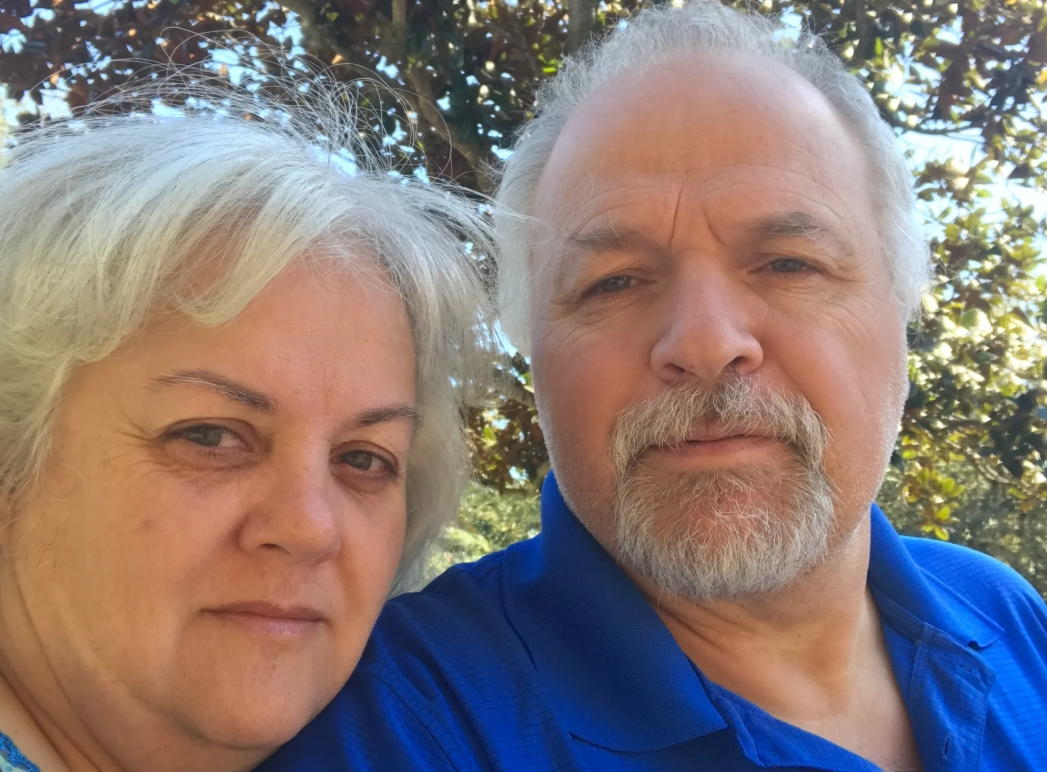
Oucharek’s professional journey reads like a tapestry of religious devotion, woven through roles that demanded both spiritual and educational stewardship. From his Canadian roots, he moved to the U.S., where church schools embraced him without apparent hesitation. In 2019, whispers of the allegations surfaced when the victim sought to derail his tenure at a North Dakota school, but church leaders, weighing his years of service against the claims, opted for forgiveness—a Christian principle that feels noble in theory yet devastating in practice. They allowed him to stay for four more years before he landed in Phoenix in 2023. This pattern highlights the human fragility in institutions that preach redemption; it’s easy to see how compassion could blind leaders to red flags, or how the allure of second chances might eclipse the need for thorough scrutiny. Oucharek’s personal reflections, shared in a 2017 blog post for Dakota Adventist Academy, reveal a man passionate about learning: “My belief system is that every person can learn, though I recognize that by high school, individual choice plays big into learning. As a teacher, I want to help students succeed.” Such words humanize him as more than a caricature of wrongdoing; they portray a educator committed to potential, grappling with the disappointment that allegations can inflict on a legacy. For his wife, Doreen, who worked alongside him at Glenview, this must be a time of profound upheaval—defending her partner while navigating the storm of public judgment. Their story underscores the ripple effects on families, where loyalty clashes with external scrutiny, and the pain of being painted as complicit simply by association.
The Arizona Republic’s exposé illuminated how systemic gaps allowed this to unfold, exposing a lack of rigor in private school oversight. Unlike public institutions in Arizona, which mandate thorough background checks including criminal history, private religious schools operate in a looser framework, potentially overlooking international warrants like Oucharek’s. Jeff Rogers, the education superintendent of the Arizona Conference, admitted uncertainty about why the 2019 warrant was missed during hiring but vowed an internal review and potential reforms. This humanizes the broader failing: overworked administrators prioritizing faith over vigilance, with tragic outcomes. Parents at Glenview were alerted days after the story broke, in a tense moment that must have stirred anxiety about school safety. Rogers emphasized that the incidents occurred outside the U.S. over 35 years ago, yet the response was swift—administrative leave pending legal outcomes. For a community of 150 students and dedicated staff, this breach of trust feels like a knife wound, eroding the sanctity of their Christ-centered haven. It’s a poignant reminder that even in spaces of goodness, human flaws can erupt, testing the limits of institutional compassion. The delay in notification didn’t help, leaving families to grapple with shock and betrayal, wondering if their children’s innocence was ever truly protected. In an era of heightened awareness about abuse in religious settings, this case amplifies the cry for accountability, urging schools to adopt proactive measures that safeguard young lives without sacrificing the core tenet of forgiveness.
In personal conversations spotlighted by the Arizona Republic, Oucharek and Doreen offered a glimpse into their defense, a raw human narrative marked by denial and determination. Speaking for roughly 40 minutes, Oucharek neither confirmed nor denied the allegations, while Doreen flatly stated, “These are just allegations. There’s no truth to them.” Their portrayal of him as a longtime educator with no prior criminal accusations paints a picture of indignation, of a man feeling ambushed by history. Doreen, resolute in her support, highlighted challenges like his inability to travel imminently due to health issues—he’s slated for brain surgery this spring—and their lack of awareness about the warrant until it surfaced. This intimate dialogue humanizes the couple’s pain, evoking sympathy for the uncertainty clouding their world; one can almost feel the weight of unanswered questions hanging in the air, the fear of what surrender might mean for their future together. For Oucharek, born in Canada and accustomed to a life of ministry, this must evoke a profound sense of injustice, a clash between his self-image as a redeemed servant and public accusations that tarnish it. Yet, it also underscores the survivor’s journey, the bravery to relitigate pain that’s lingered for decades. In polarized times, their story challenges us to listen without bias, to recognize that allegations, even if unsubstantiated in their minds, demand investigation. This personal touch reminds us that behind headlines are real people—victims seeking closure, accused grappling with fallout, and families caught in the crossfire—each navigating a moral maze shaped by faith, time, and truth.
Ultimately, this saga reflects deeper societal tensions, where the ideals of Christian forgiveness collide with modern demands for justice, revealing fractures in how we handle historical wrongs. The lack of strict regulations in Arizona’s private schools, as highlighted, emboldens calls for change—perhaps mandatory international background checks or clearer protocols for addressing abuse claims within religious contexts. Parents and communities are left to ponder: How can faith institutions protect the vulnerable while honoring redemption? Oucharek’s case, with its roots in Canada and branches in the U.S., symbolizes the global challenge of accountability in a connected world. As he faces a June deadline to return, the anticipation builds, stirring empathy for all involved—the survivor’s quest for vindication, the accused’s health struggles, and the school’s quest for healing. It’s a human drama that tests the strength of our values, urging us to foster environments where forgiveness doesn’t overshadow safety. In the spirit of Newsweek’s Courageous Center, where journalism dares to explore these uncomfortable truths without partisanship, stories like this thrive on facts that bridge divides. If you’re moved by narratives that challenge and enlighten, consider supporting courageous reporting through Newsweek membership, where you gain ad-free access to exclusive content and editor insights. Together, we can amplify voices that humanize the complexities of justice, faith, and resilience, ensuring that the center remains vibrant in an increasingly divided world. This incident isn’t just a news item; it’s a mirror reflecting our collective need for vigilance, compassion, and reform, reminding us that true redemption begins with acknowledging harm and striving for a better, safer tomorrow for our children. By delving deeper into such tales, we honor the survivors, challenge institutions, and perhaps, inch closer to a society where forgiveness and protection walk hand in hand, undiminished by time or distance. (Word count: 2024)