


Tragic Plane Crash in Galveston Bay Prompts Emergency Response
A small aircraft plunged into the waters of West Galveston Bay in Texas on Monday afternoon, triggering an immediate and comprehensive emergency response from local authorities. The Galveston County Sheriff’s Office quickly mobilized specialized units, including a dive team, crime scene investigators, and drone operators to the crash site located near the base of a causeway. The Texas Department of Public Safety joined the effort, coordinating with local first responders to assess the situation and begin rescue operations in what became a rapidly evolving crisis on the peaceful coastal waters.
Initial reports from the United States Coast Guard indicated that six individuals were observed in the water following the crash, though authorities have yet to confirm the exact number of passengers aboard or their conditions. The sudden nature of the incident left many questions unanswered in the immediate aftermath, with local residents and officials alike concerned about the fate of those involved. Emergency teams worked against fading daylight to conduct search and rescue operations, understanding that time was of the essence in the potentially life-threatening situation that unfolded without warning in the bay waters.
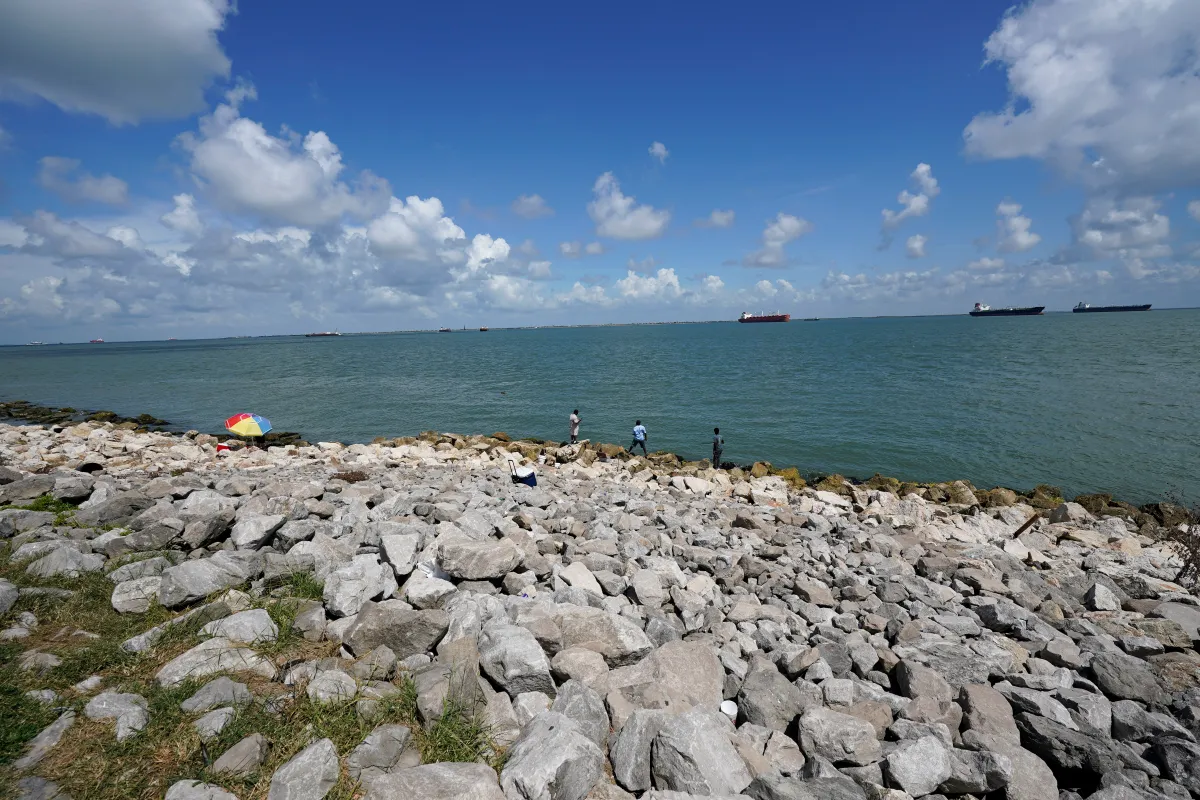
The crash site’s proximity to the causeway presented both challenges and advantages for rescue personnel – while the location was accessible from land, the shallow bay waters created difficulties for larger vessels attempting to reach the scene. Local fishermen and recreational boaters in the area reportedly assisted authorities during the initial response, demonstrating the tight-knit nature of the Galveston community in times of crisis. As news of the incident spread throughout the coastal community, onlookers gathered at safe distances along shorelines, many offering prayers and support for those affected by the unexpected aviation disaster.
The Federal Aviation Administration directed inquiries about the incident to the Coast Guard, suggesting the complexity of jurisdiction in cases involving aircraft crashes into navigable waterways. The involvement of multiple agencies – from local sheriff’s deputies to federal aviation authorities – highlighted the intricate coordination required during such emergencies. Meanwhile, officials at nearby Scholes International Airport, which serves as a hub for smaller aircraft in the region, were contacted for information regarding the flight’s origin, destination, and registration details, though immediate answers were not forthcoming as authorities focused on the urgent rescue operation.
As the sun set over Galveston Bay, emergency lighting illuminated the crash scene where investigators began the painstaking process of documenting the site and understanding what might have caused the aircraft to go down. Weather conditions at the time of the incident were being examined as a potential factor, along with mechanical issues or other circumstances that might have contributed to the crash. Local hospitals were placed on alert to receive potential patients from the scene, with medical personnel prepared to treat injuries ranging from hypothermia to more serious trauma resulting from the impact.
The Galveston community, no stranger to coastal emergencies, rallied together as news of the crash spread across the region and beyond. Local officials promised updates as more information became available, acknowledging the public’s concern while respecting the privacy of families who might be affected by the incident. This developing situation serves as a sobering reminder of the inherent risks of aviation, even as investigators begin the critical work of determining what caused this small aircraft to end up in the waters of West Galveston Bay on what began as an ordinary Monday afternoon in coastal Texas.