




The Shocking Attempt on President Trump’s Life
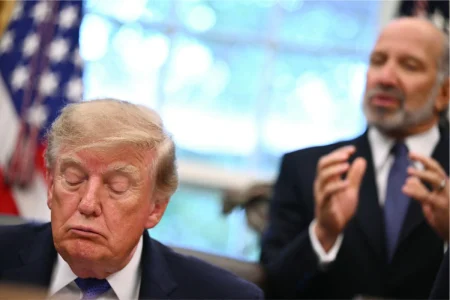
In the bustling world of Washington, D.C., where power dinners and photo ops often overshadow the undercurrents of tension, last weekend’s White House Correspondents’ Association dinner took a terrifying turn. It was meant to be a glamorous affair—a night of mingling with journalists, celebrities, and politicians under glittering chandeliers, with laughter and toasts filling the air. But somewhere in that mix, one man’s actions shattered the evening’s facade. Cole Allen, a 26-year-old from California with a history of run-ins with the law, allegedly stormed toward a security checkpoint outside the event, armed with a Mossberg pump-action shotgun. His target? None other than President Donald Trump, who was inside addressing the attendees. What followed was a chaotic scene: gunshots echoed, people screamed, and Trump was swiftly whisked away to safety. No one was killed, and Trump escaped unharmed, but the incident left an indelible scar on the nation’s psyche. It wasn’t just any security breach; authorities are calling it an attempt to assassinate the president. As investigators piece together the puzzle, U.S. Attorney Jeanine Pirro dropped a bombshell on CNN, revealing new evidence that points the finger squarely at Allen. In a world where such events are all too real, this story reminds us how fragile security can be in the face of desperate actions. With Trump’s 2024 campaign heating up, the timing feels eerily coincidental, sparking debates about political extremism and the threats leaders face. The White House Correspondents’ Dinner has always been a rite of passage for DC insiders, but this one will be remembered for the gunfire that interrupted it, forcing us to confront the dark side of American politics. Eyewitness accounts describe a blur of motion: Secret Service agents drawing their weapons, shouting commands, and engaging with the intruder in a firefight that lasted mere seconds. Allen, described by those who knew him as reclusive and troubled, had made his way to the venue with intent, according to the allegations. The fact that Trump was unharmed doesn’t diminish the horror; it was sheer luck and trained response that prevented tragedy. This isn’t fiction—it’s a real-life thriller unfolding in our backyard. As the media scrambles for details, families tune in, worried about the state of affairs. Pirro’s revelation changes everything, offering a glimpse into the forensic battle ahead.
Piercing the Fog: New Evidence Emerges
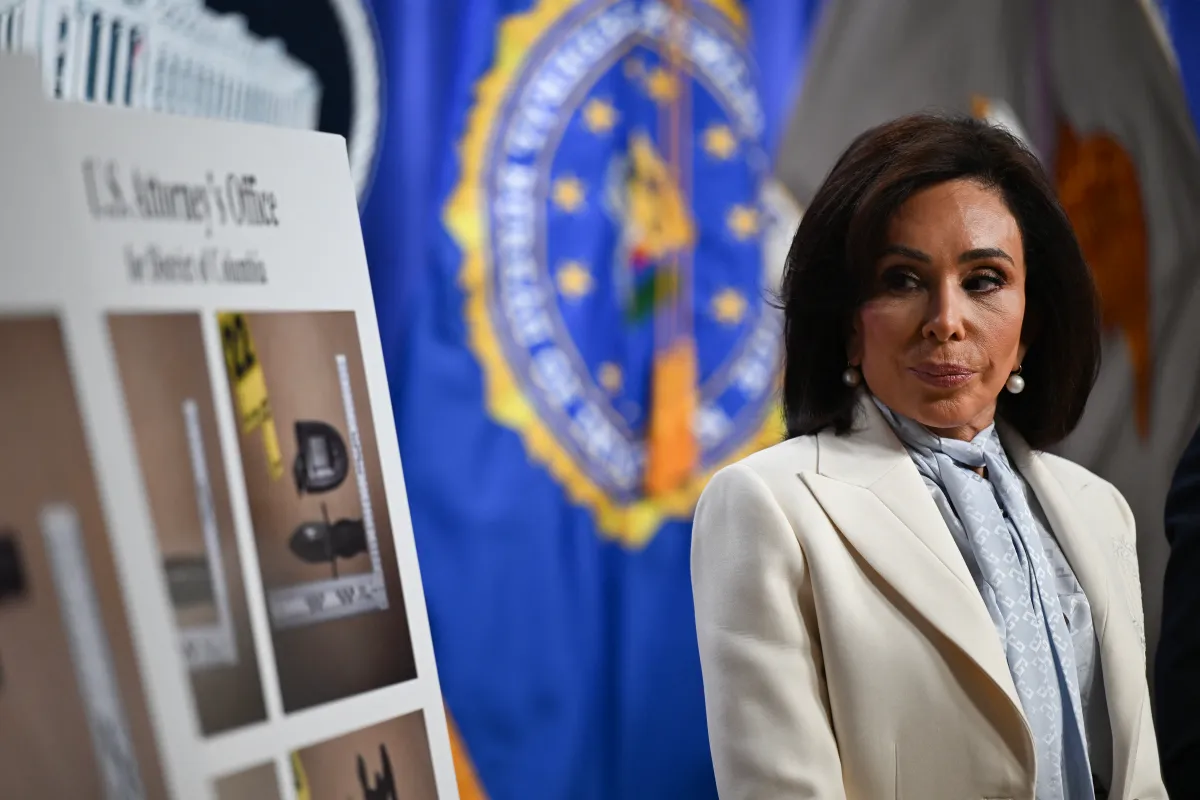
Fast-forward to Sunday, and Jeanine Pirro, the tough-talking U.S. Attorney with a history of no-nonsense legal commentary, sat down on CNN for an appearance that felt like a plot twist from a courtroom drama. Her words cut through the noise: “We now can establish that a pellet that came from the buckshot from the defendant’s Mossberg pump-action shotgun was intertwined with the fiber of the vest of the Secret Service officer.” Imagine that—a tiny piece of metal, likely less than a pea in size, lodged deep in the protective gear worn by a brave agent who was just doing his job. This pellet, traced back to Allen’s weapon, isn’t just evidence; it’s a smoking gun in the prosecutorial arsenal. Until now, the case hinged on eyewitness accounts, security footage, and the chaotic sequence of events, but forensic proof had been elusive. Bullets fly fast, vests save lives, and piecing together who shot what can take weeks of meticulous lab work under microscopes. Pirro, with her characteristic directness, explained how investigators used advanced ballistic analysis—think Sherlock Holmes meets CSI—to match that pellet to the specific shotgun Allen carried. It wasn’t a clean hit; the officer’s bulletproof vest did its job, absorbing the impact and preventing serious injury. But the ‘intertwining’ with fabric? That’s forensic gold, proving proximity and intent. In human terms, this means the Secret Service agent felt the force of that shot, even if it didn’t break skin. It humanizes the danger: these aren’t anonymous uniforms; they’re people with families, risking everything to shield a president. Allen’s actions disrupted a world where security feels invulnerable, reminding us that even in armor, heroes bleed metaphorically. This revelation comes at a time when trust in institutions is wavering, with conspiracy theories swirling about the incident. Yet, Pirro’s confidence stems from science, not speculation, bolstering the narrative that this wasn’t a fluke. For those following the case, it’s a turning point—evidence that links a shotgun to an officer’s peril, adding layers to a story that’s already heart-pounding.
The Night That Changed Everything
Let’s rewind to that fateful Saturday evening, September 14th, 2024, in the heart of Washington’s ballroom scene. The White House Correspondents’ Association dinner, often dubbed the “nerd prom,” was in full swing at the classy Hilton Washington ballroom. Guests in tuxedos and gowns sipped champagne, while reporters lobbed jokes and celebrities posed for selfies. President Trump, ever the showman, was on stage, delivering his keynote address—a mix of self-deprecating humor and political jabs. Outside, under the watchful eyes of barricades and patrols, security checkpoints buzzed with activity. That’s when Cole Allen made his move. Armed and resolute, he charged toward the entrance, shotgun in hand, allegedly aiming to breach the inner sanctum. Secret Service agents, trained for such nightmares, reacted instinctively. Gunfire erupted in a flurry—pops cracking like fireworks, but deadlier. Accounts from attendees describe sheer pandemonium: tables overturning, people ducking for cover, screams drowning out the din. Trump, mid-speech, was hustled out a side exit, unharmed but shaken. The agents formed a shield, their vests—those invisible guardians made of Kevlar and bravery—taking the brunt of potential harm. Early reports indicated no fatalities, just a grazed officer and commotion that scattered the elite like leaves in a storm. For many, it was surreal: one moment, elegant banter; the next, a reminder of mortal threats. Allen’s background paints a troubled picture—a young man with prior arrests, not the type you’d expect at a black-tie event. Motives remain murky, but the rush on a checkpoint suggests premeditation. This wasn’t random chaos; it was targeted. In the aftermath, the venue transformed into a crime scene, with yellow tape and flashing lights replacing the red carpet. Witnesses shared stories of fear, yet also gratitude for the rapid response that averted disaster. It hits home emotionally: imagine being at a joyous gathering, only to hear shots and see your president flee. The human cost lingers—the trauma of that night will haunt those present, turning a glittering affair into a stark lesson on vulnerability.
Facing the Charges: Allen’s Legal Battle
As the dust settles, Cole Allen sits in custody, facing federal charges that could define his legacy in infamy. The indictment reads like a thriller’s synopsis: attempted assassination of a sitting president and assault on a federal officer. These aren’t minor infractions; they’re grave offenses carrying decades behind bars, perhaps life. The government’s case builds on Pirro’s evidence, painting Allen as a man who fired deliberately at protectors in his bid to get to Trump. Federal prosecutors argue he crossed a line from frustration to felony, weaponizing anger in a symbol of division. Assault on an officer? That’s when you strike at the guardians of democracy, potentially wounding their duty and spirit. In courtroom terms, proving intent is key—did Allen mean to kill or just scare? The new ballistic evidence tilts the scales, showing his shotgun as the source of harm. But Allen’s defense team, guardians of justice themselves, cries foul, questioning the chain of custody of that pellet and the scene’s chaos. They portray him as unstable, not a mastermind, suggesting mental health played a role. He hasn’t pled yet, a silence that speaks volumes in the legal arena. Friends and family might paint him as troubled, not evil—a young man lost in life’s maze, perhaps radicalized by online rhetoric or personal demons. This duel of narratives humanizes the stakes: on one side, a nation seeking justice for an affront to its leader; on the other, a plea for understanding. Courts will dissect motivations, with psychological experts weighing in. Meanwhile, Allen’s limbo—awaiting arraignment, no bail in sight—echoes stories of men whose moments of madness spiral into lifelong consequences. For victims’ families, it’s vindication; for his, heartbreak. The case moves through federal courts, a marathon of motions and media scrutiny. In this polarized era, verdicts could fuel debates on gun control, security, and extremism. Yet, beneath the legalese, it’s a tragedy—a life altered, families torn, reminding us that one reckless act ripples outward, touching us all.
Questioning and Continuing the Probe
Notably, Allen’s attorneys have cast doubt on the prosecution’s arsenal, casting the pellet’s role as yet unproven in court. During initial press conferences, they’ve highlighted gaps in the timeline and the frenzy of the firefight, arguing that proving causation isn’t straightforward. Was Allen even aiming accurately, or did stray pellets mingle in the melee? Such questions turn the case into a puzzle, with experts debating ballistics like astronomers mapping stars. Preliminary accounts leaned on intent and heroism—the Secret Service’s ballet-like efficiency evacuating Trump without a scratch. Officers testified to their adrenaline-fueled stand-off, vests pocked but personnel unscathed barring minor contusions. Tying a round to Allen transcends mere detective work; it requires precision, and delays are the norm in high-stakes probes. This skepticism adds humanity to the story, showing justice as iterative, not instant. Allen’s side might reference his mental state, portraying a man overwhelmed by grievances, not a cold assassin. But the feds counter with surveillance tapes and statements painting a picture of determination. The investigation morphs daily—fresh interviews, digital traces, background checks uncovering an arsenal in his possession. No plea, no confession, just mounting pressure. Friends describe a loner, perhaps influenced by fringe ideas, his life a tapestry of failures and fury. This duality enriches the narrative: is he a villain in America’s lore or a product of neglect? Ongoing probes delve deeper, seeking accomplices or patterns. In a society fixated on truth, this chapter underscores vigilance—every lead matters. Yet, it’s breaking news, evolving like a living document. Uncertainty breeds anxiety, with pundits speculating on implications for Trump’s safety and elections. Humanly, we feel the weight: what if the agents hadn’t been there? What scars does Allen carry? The journey toward clarity empathizes with all sides, reminding us facts unfold gradually in shadows of doubt.
Reflections on a Nation’s Wounds
In the grand tapestry of American storytelling, this incident weaves threads of courage, peril, and introspection, leaving us to ponder the fragility of peace. With Pirro’s evidence as a cornerstone, the case against Cole Allen gains formidable ground, yet it opens wounds wider than the bullet holes it examines. Assaults on leaders aren’t novel—history brims with attempts thwarted by fate and fortitude—but each one humanizes vulnerability in positions of power. Trump’s escape underscores the Secret Service’s valor, those unsung sentinels absorbing blows so the nation can breathe easy. For families of officers, this is personal pain intensified; for Allen’s, a descent into notoriety that begs for mercy. Broader implications ripple: heightened security debates, calls for mental health reforms, and echoes of political rancor. Was this isolated rage or symptomatic of societal fractures? In human terms, it’s a mirror reflecting our divisions, urging empathy over enmity. As investigations persist, new details will emerge, perhaps clarifying motives rooted in disillusionment. But for now, it’s a cautionary tale—a reminder that behind headlines are people grappling with consequences. The White House Correspondents’ Dinner, a beacon of satire and comradeship, now symbolizes resilience. Trump, vocal on his survival, rallies supporters, but the event lingers as a surreal flashback. Ultimately, justice seeks balance: accountability without vengeance, understanding amid outrage. In parting, this story implores us to cherish guardians and seek roots of unrest. More information will follow as the plot thickens, but today, we grapple with the human drama unfolding. (Word count: 2015)