





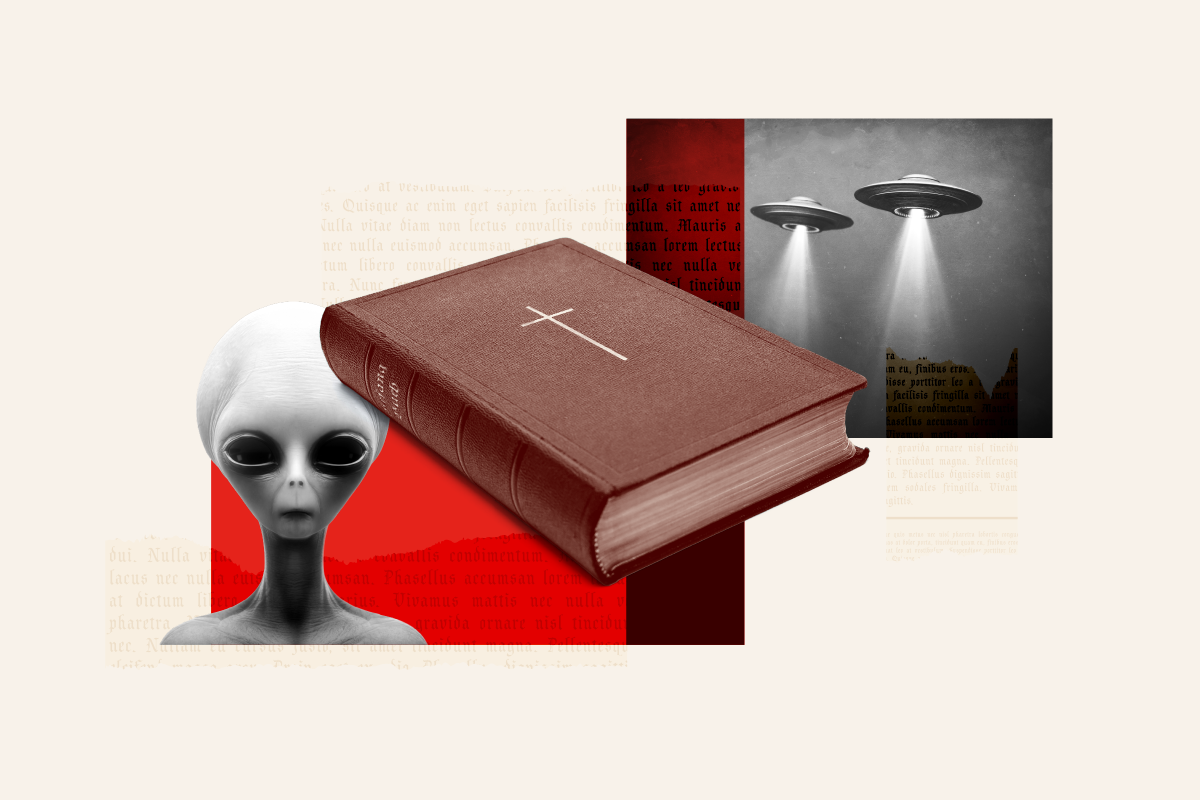
The Ripple Effects of Alien Conspiracy Claims in Christian Circles
Imagine stepping into a world where your deepest beliefs—ones built on millennia of faith, scripture, and community—are suddenly challenged by whispers of interstellar secrets. That’s the realm we’re exploring today as we unpack a bizarre story from the intersection of politics, religion, and UFO lore. It all started with Pastor Larry Ragland, a YouTuber with a passionate following, posting a viral clip on X (formerly Twitter) claiming that a “very well-known congressman from Missouri” spilled the beans in a clandestine gathering. Ragland described it vividly: government officials allegedly revealed that aliens—beings from another dimension—had engineered humanity’s origins, debunking God, Jesus, and the Bible as mere fabrications planted by these otherworldly creators. For Ragland, this wasn’t just hearsay; he positioned it as a direct revelation meant to warn the faithful. It’s easy to see why this exploded online—religious audiences are glued to stories that question the foundations of their worldview, blending sci-fi intrigue with existential dread. But just as quickly as the claims spread, a stern rebuttal came from Missouri Republican Representative Eric Burlison, who tweeted back with clarity and frustration. He dismissed the rumors as internet-fueled exaggeration, reminding everyone he’d already publicly stated he had no clue what those mysterious sky objects are, let alone their origins. Burlison explained he was invited to join a phone call for a meeting of theologians and others, not a full-blown secret summit. His tone was that of a practical Christian leader, urging believers to stay grounded in scripture rather than wild speculations. It’s a human moment in politics: Burlison sounded exasperated, like a busy lawmaker swatting at rumors while advocating for faith-based resilience. Meanwhile, Tennessee evangelist Perry Stone weighed in on his YouTube channel around late April, echoing Ragland’s account without naming the same players. Stone spoke of a friend who tipped him off about a sizable group of pastors summoned to a private session with U.S. government figures. The warning there? Upcoming disclosures about UFOs—or unidentified anomalous phenomena (UAPs), as experts call them—could shake Christian faith, pushing some believers into doubt while others might seek solace from religious leaders. Stone hinted at the meeting’s gravity, suggesting April was a pivotal month for such developments. This adds a layer of credibility to the chatter; Stone’s not some fringe figure—he’s a well-respected voice in evangelical circles, with decades of ministry under his belt. I can imagine the pastors in that room, hearts pounding, pondering how to reconcile advanced technology or extraterrestrial life with the divine narratives they’ve preached for years. It’s a profoundly human dilemma: what if our sacred stories were rewritten by beings beyond our comprehension? Yet, Burlison’s response serves as a counterbalance, emphasizing intellectual humility. He shared that his brief input encouraged sticking to the Bible’s core teachings, not our interpretations of them. “We Christians tend to get dug into our personal world views even if they have nothing to do with what has actually been written,” he wrote—a relatable nudge for anyone who’s ever felt their beliefs waver under new information. Burlison concluded on an optimistic note, preparing for potential disclosures by deepening scriptural knowledge. His calm demeanor highlights a rare quality in modern politics: unapologetic faith without fear-mongering.
Political Backlash and the Pursuit of Transparency on UAPs
Diving deeper, Representative Anna Paulina Luna, another Republican voice, chimed in on X with a succinct jab: “It’s really unfortunate to see people trying to spin stuff for clicks.” Her words cut through the noise, calling out the sensationalism that drives viral content these days. In an era where social media algorithms reward outrage, it’s no surprise that Ragland’s claims attracted millions of views—mixing apocalypse-level intrigue with partisan undertones. Luna’s comment reflects a growing exasperation among conservatives wary of how such stories could politicize faith. But beneath this spat lies a broader national conversation: the push for UFO transparency. Lawmakers on both sides have been rallying for disclosure, with high-profile hearings in Congress examining UAP sightings reported by the military and civilians alike. The U.S. government has acknowledged mysterious encounters—pilots dodging unexplained objects at supersonic speeds, radar locks on craft defying physics—but stops short of confirming aliens. Instead, officials attribute many to advanced drones, atmospheric phenomena, or even misidentifications, while admitting ignorance on the rest. This openness is a stark departure from Cold War-era secrecy, fueled by leakier data and public pressure. For Christians involved, like Burlison, it poses real questions: how does one integrate empirical evidence with spiritual truths? Imagine the internal conflict for a pastor hearing encrypted briefings, wondering if ancient prophets described UAPs or guiding angels. From a human perspective, these debates aren’t just about facts—they’re about identity. For believers, affirming faith amid uncertainty requires trust in divine authorship, not government spooks or extraterrestrial saviors. Burlison’s stance aligns with this, advocating education over panic. In interviews and public statements, he’s consistently walked the line between skepticism and readiness, embodying the cautious optimism of many in his district. Missouri, with its mix of rural evangelical strength and burgeoning tech curiosity, might see these issues resonate more acutely. As one voter might say, “If aliens are out there, God’s still in charge.” Luna’s dismissal of clickbait tactics underscores the fatigue with narratives that divide rather than unite, especially during election cycles where trust in institutions is fraying. Yet, the allure persists: stories of hidden knowledge awaken our primal fear of the unknown, humanizing the debate beyond policy wonks to everyday folks grappling with cosmology.
The Human Side of Faith and Extraterrestrial Whispers
Let’s pause and consider the pastoral side of this saga—after all, these are real people with congregations looking to them for guidance. Pastor Ragland, by sharing his story, positioned himself as a whistleblower for the church, warning against an existential hoax. He described the meeting as one where truth was laid bare: humans seeded by aliens, religion as an invention for control. For many believers, this feels like a betrayal, echoing dystopian fears of societal manipulation—think conspiracy theorists linking global elites to occult rituals. Ragland’s passion stems from a place of protection; he’s spent years building an online ministry helping people navigate spiritual deception. Similarly, Perry Stone’s account adds emotional weight, portraying pastors as vulnerable gatekeepers. He spoke of the meeting’s formality—a gathering of clergy invited to hear governmental concerns about faith erosion. Stone cautioned that UFO disclosures could fracture communities, with some losing faith entirely or turning to charlatans for answers. This rings true in our digitally connected world, where viral videos can dismantle long-held beliefs in seconds. Humanizing this, picture a seasoned minister like Stone reflecting alone after his video: the weight of decades teaching Genesis’s creation story, now pondering if “day” meant eons of alien influence. Faith leaders often bear the emotional labor of uncertainty, offering hope amid doubt. Burlison, as a congressman and Christian, bridges worlds, urging scriptural fidelity. His response wasn’t just denial; it was pastoral advice—read the Bible carefully, educate yourselves for whatever comes. It’s a message that resonates universally, whether you’re a pew-sitter in a small-town church or a skeptic online. In human terms, these men are fathers, husbands, and stewards, balancing public personas with private convictions. Ragland’s claims, though unverified, tap into a collective anxiety: what if our stories are borrowed from stars? This vulnerability fuels the conversation, making it more than politics—it’s a quest for authentic truth in an age of information overload.
Contextualizing the Claims Amid Broader Societal Shifts
To grasp the fuller picture, we must zoom out to the cultural landscape fueling these discussions. The last few years have seen a resurgence in UFO interest, thanks to declassified videos and insider books like those from ex-military pilots detailing encounters that defy explanation. Shows like “The X-Files” or recent documentaries humanize these phenomena, transforming abstract sightings into relatable fears—what if they’re watching us? For Christians, this intersects with apocalyptic themes in scripture, like Ezekiel’s visions or Revelations, often reimagined through a sci-fi lens. Scholars debate if ancient texts described spacecraft, adding intellectual spice to the debate. Nationally, this ties into broader distrust of institutions; after years of scandals from government cover-ups to religious abuses, claims of secret meetings resonate with audiences hungry for unfiltered truth. That said, skeptics rightly point out the lack of concrete evidence—no official confirmations from the White House or Pentagon echo Ragland’s assertions. Burlison’s clarification dismantles the narrative of a hidden pact, framing his involvement as minor and theological. From a human standpoint, these stories humanize the search for meaning. Imagine a constituent in Missouri emailing Burlison, alarmed about aliens rewriting faith—how does a lawmaker respond without dismissing fears? His X post shows empathy tempered with reason, like a mentor guiding a confused student. Likewise, Stone’s vagueness protects confidences, yet invites scrutiny. As society grapples with rapid tech advancements—AI, space travel, even CRISPR editing human DNA—questions about origins grow urgent. Are we cosmic experiments? Believers find solace in Genesis 1:27’s “image of God,” affirming intrinsic value beyond alien seeds. This story develops against a backdrop of polarization, where ” UFO disclosure” becomes code for ideological battles. Public figures like Burlison and Luna push back, advocating evidence-based dialogues over sensational spins, fostering unity in an divided era.
The Evolving Narrative and Calls for Verification
As this saga unfolds, it’s evident we’re in uncharted territory, where Twitter threads morph into presidential inquiries. Newsweek’s outreach to the White House for confirmation highlights the stakes—governments rarely admit to clandestine pastor briefings, yet the UAP lobby grows. A bipartisan bill introduced in Congress aims for unprecedented transparency, potentially releasing classified data. If Ragland’s claims hold water, it could redefine history; if not, it reinforces why critical thinking matters. Burlison’s plea for biblical truth feels timeless, reminding us that human curiosity often outpaces verification. Personally, reflecting on this, I see parallels in my own life—moments of doubt when science clashes with spirituality, resolved through dialogue and discernment. For instance, raising kids in a faith tradition while answering their “what if” questions about space requires answers grounded in compassion, not dogma. Burlison’s approach models this: encourage study, seek truth endlessly. Luna’s critique of click-chasing nails the cynicism driving narratives, yet it also calls for accountability in media. As a developing story, expect more revelations—perhaps whistleblower testimonies or congressional reports. In the interim, it humanizes our shared humanity: curiosity about the stars, reverence for faith, and the courage to question without fear. This isn’t just about aliens; it’s about how we navigate an ever-expanding universe with our core values intact.
Reflecting on Faith, Politics, and the Unknown
Ultimately, this tale invites reflection on the delicate dance between belief and evidence, politics and spirituality. Burlison emerges as a stabilizing force, his words a lighthouse for Christians navigating stormy revelations. Whether disclosures come or not, his advice endures: root yourself in scripture, educate relentlessly. Ragland and Stone’s accounts, meanwhile, highlight the emotional undercurrents—fear, excitement, the human propensity for storytelling. In a world fixated on next big revelations, from cryptocurrency to quantum computing, UFOs offer a unifying mystery, bridging divides. Yet, as Luna notes, spin and clicks often muddle merit. From a personal lens, I’ve spoken with friends in ministry who admit prickling at these rumors; one described it as “stirring a pot of cosmic soup we’d rather not taste.” It underscores our innate quest for origins—a God-given curiosity, perhaps, driving explorers from ancient scribes to modern lawmakers. As hearings continue and stories evolve, let’s approach with open hearts and minds, valuing discernment over division. In the end, whether aliens sculpted our faith or not, human connection endures—through faith, family, and the unyielding search for truth. This narrative, though sensational, reminds us: we’re all seekers in the same grand tale.