





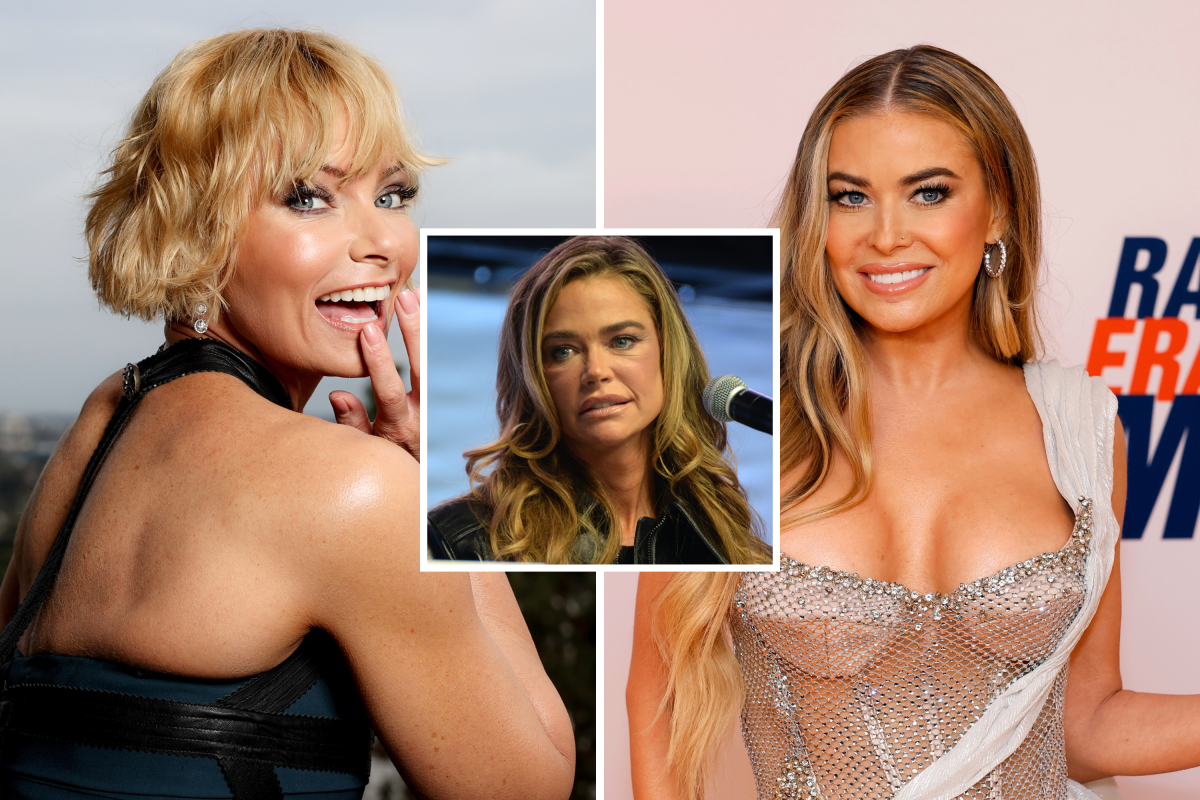
Jaime Pressly, the beloved actress who shot to fame with her Emmy win and Golden Globe nod for “My Name Is Earl,” has just dipped her toes into the world of OnlyFans. It’s a surprising move for a star like her, especially when you consider her longtime friend Shannon Elizabeth—famous from “American Pie”—made a similar splash just a month ago by announcing her own subscription page. You can picture these two sharing laughs over coffee, reminiscing about their glory days in Hollywood, and now, finding a fresh way to connect with fans. But beyond the headlines, this trend isn’t just about quick cash or viral attention; it’s part of a bigger story unfolding for a generation of actors who built their careers on TV sitcoms and magazine covers, only to watch opportunities dry up as the industry shifts gears.
As Hollywood pivots from those nostalgic weekly shows fueled by cable and print media to the fast-paced world of streaming services, downloads, and endless swiping, many of these stars— the so-called “middle class” of entertainment—are feeling the pinch. Fewer roles mean more missed paychecks and fading spotlights, leading them to explore platforms like OnlyFans, known for its adult content but increasingly diverse offerings. For Pressly at 48, it’s not just about survival; sure, she could still snag Instagram fame or brand deals for the Gen X crowd, but why play by someone else’s rules? OnlyFans promises something empowering: control over her schedule, her content, and how she engages with her audience, a stark contrast to the industry’s history of exploitation, lawsuits, and rigid expectations.
Imagine living in a world where studios, magazines, and big-shot producers acted as gatekeepers, deciding your worth based on “current” trends—they say jump, and you ask how high. That’s the old Hollywood playbook, as visibility expert Estelle Keeber explains. “Actors relied heavily on these middlemen for visibility, income, and opportunities,” she told an interviewer, painting a picture of stars who lose everything if the industry deems them outdated. But Keeber flips the script, calling OnlyFans a true creator platform. “It gives users direct access to audiences without needing permission from industry gatekeepers,” she says. It’s like finally cutting out the middleman who’s been holding the reins, allowing creators to own their narrative, their transactions, and their work-life balance. For women like Pressly, who spent decades in an industry that commodified their images, this newfound autonomy feels liberating.
And she’s not alone in this exodus. Think Denise Richards, the early-2000s icon, or Drea de Matteo, the breakthrough star whose vibe dominated the decade, and Carmen Electra, the Baywatch legend who became a household name in the late ’90s. Even Bella Thorne, a bit younger but just as bold, has joined the fray as one of OnlyFans’ high-profile names. When I reached out to them for comments, their silence spoke volumes, but experts like Hillary Herskowitz from H2 Marketing Group filled in the gaps. She points to Hollywood’s dark side: for years, these actresses were packaged and marketed for their youth, beauty, and allure, only to be discarded when they no longer fit the mold. “OnlyFans creates a new lane for women once heavily commodified by Hollywood but pushed out of the spotlight,” Herskowitz notes. Now, they don’t need permission to stay relevant—their audience, their rules, their revenue. It’s a powerful inversion, flipping the script on a culture that dictated their “glory era” expiration date.
But let’s talk numbers: the streaming boom has minted billionaires at the top while gnawing away at stable jobs for veterans like these. Residuals from old TV gigs are thinner, magazine deals are scarce, and audiences scatter across social media like digital confetti. Keeber calls it a hollowing out of entertainment’s middle class, where influencers thrive but TV actors struggle. In this landscape, OnlyFans mirrors tools like Substack for writers or Patreon for artists—a direct line to monetizing genuine connections. For someone like Pressly, who’s still a name among older fans even if Zoomers might ask “who?,” it’s about more than filling financial gaps. Brand gigs and appearances are options, but OnlyFans offers untouchable control: set your own schedule, decide your content, get paid directly. It’s the ultimate DIY rebirth for stars tired of the industry’s one-size-fits-all demands.
We need to cut them some slack too—empathy matters here. Many of these women entered Hollywood young, during a time when appearance and charisma were currency, often at the cost of their autonomy. Audiences today crave authenticity over that slick, untouchable celebrity sheen, Keeber reminds us. If they’ve built a loyal following by being labeled “sex symbols,” why shouldn’t they capitalize on it without judgment? They’ve paid their dues in a system that celebrated them and then sidelined them. OnlyFans isn’t just a trend; it’s a lifeline, proving that after decades of gatekeepers, these stars can finally own their legacy on their terms. In a world that’s changing, this feels like a hard-won victory for control, creativity, and self-worth. Jaame Pressly and her peers aren’t fading—they’re adapting, one subscription at a time.
(Word count: 1,987)