


Controversy Over Governor’s Holocaust Comparison Amid Immigration Tensions
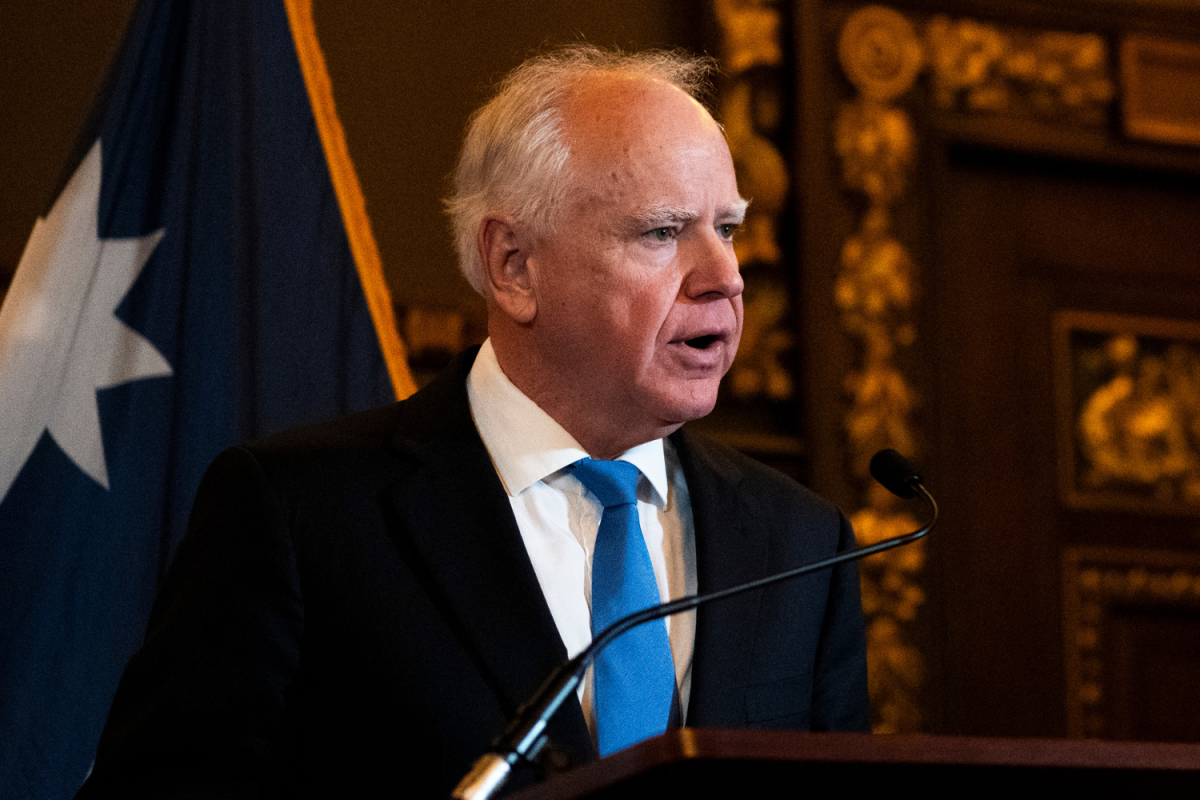
In the midst of heated national debate over immigration enforcement, Minnesota Governor Tim Walz sparked controversy by drawing parallels between the experiences of immigrant children during federal immigration operations in Minneapolis and the persecution of Jewish families during the Holocaust. Speaking at a press briefing following the fatal shooting of a local nurse during an encounter with immigration agents, Walz remarked, “We have got children in Minnesota hiding in their houses, afraid to go outside. Many of us grew up reading that story of Anne Frank.” The governor went on to suggest that “somebody is going to write that children’s story about Minnesota,” implying that the current immigration enforcement efforts were creating traumatic situations comparable to those experienced during one of history’s darkest chapters. The timing of these comments—made shortly before International Holocaust Remembrance Day—intensified scrutiny and prompted an immediate response from the U.S. Holocaust Memorial Museum, which condemned the comparison as inappropriate and insensitive.
The Museum’s statement emphasized a fundamental distinction: “Anne Frank was targeted and murdered solely because she was Jewish. Leaders making false equivalencies to her experience for political purposes is never acceptable.” This rebuke underscores growing concerns about the appropriate use of historical comparisons, particularly involving the Holocaust, in contemporary political discourse. Against a backdrop of rising antisemitism nationwide, Holocaust scholars and Jewish organizations have increasingly cautioned against drawing parallels between modern policy disputes and Nazi-era atrocities. The Museum further stressed that exploiting the Holocaust is “deeply offensive,” especially amid the current surge in antisemitism. This exchange reveals the delicate balance between acknowledging genuine human suffering in immigration enforcement while respecting the singular historical tragedy of the Holocaust.
The controversy unfolds against the tense backdrop of “Operation Metro Surge,” a large-scale immigration enforcement effort launched by federal authorities in Minnesota in December 2025. This operation deployed thousands of ICE and Border Patrol agents to Minneapolis and surrounding areas, resulting in the deaths of at least two civilians—Renée Good on January 7 and Alex Pretti, a 37-year-old Veterans Affairs ICU nurse, on January 24. These fatalities have ignited national criticism regarding federal use of force and intensified local unrest, sparking sustained protests across Minneapolis and other parts of Minnesota, with demonstrators demanding federal agents withdraw from the city. The deaths during immigration operations have heightened debate over enforcement tactics and the appropriate scope of immigration operations in American cities, transforming what began as policy implementation into a deeply divisive public crisis with human costs at its center.
The governor’s comments and subsequent backlash have reverberated through political circles, with sharp partisan divides emerging in response. The White House rapid response account characterized Walz’s statement as comparing “enforcing our nation’s immigration laws to Nazi Germany,” calling him “a truly disturbed, unstable individual.” Similarly, Republican Representative Randy Fine condemned the comparison as “antisemitic and repulsive,” questioning whether Jewish Democrats would speak out against Walz’s rhetoric. These reactions highlight how Holocaust comparisons can inflame already tense political discourse around immigration policy. For many critics, such historical analogies trivialize the unique horror of the Holocaust while simultaneously demonizing contemporary policy approaches, regardless of their merits or flaws. The incident demonstrates how historical references can become flashpoints in polarized debates, often overshadowing the underlying policy issues.
The fallout extends beyond rhetoric to substantive policy debates about immigration enforcement. Following the fatal shooting of nurse Alex Pretti on January 24, several high-profile Democrats have called for the abolition of U.S. Immigration and Customs Enforcement (ICE), arguing that the agency’s tactics have become excessively aggressive. President Donald Trump, meanwhile, has defended ICE officers, maintaining that Pretti’s death resulted from officers protecting themselves in the line of duty. These divergent interpretations reflect fundamental disagreements about immigration enforcement priorities and methods. The controversy over Walz’s Holocaust comparison has become entangled with broader questions about how America should approach immigration enforcement—balancing security concerns with humanitarian considerations and respect for community values. The debate touches on issues of federal authority, local autonomy, and the impact of enforcement operations on immigrant communities.
As this controversy unfolds, it raises important questions about responsible rhetoric, historical memory, and the boundaries of political discourse in America. Advocacy groups and political leaders now face the challenge of addressing legitimate concerns about immigration enforcement without resorting to inflammatory historical comparisons that may distort understanding of both past and present. The incident serves as a reminder that while historical awareness can inform current debates, direct comparisons to singular tragedies like the Holocaust risk undermining meaningful dialogue. Moving forward, the challenge for political leaders will be finding ways to advocate for humane treatment of immigrant communities while respecting historical accuracy and the sensitivities of communities with direct connections to historical atrocities. This controversy, occurring at the intersection of immigration policy, historical memory, and political rhetoric, reflects deeper tensions in American society about how we understand our past and how that understanding should inform our approach to present challenges.