





The Tightening Contest: Nancy Mace’s Struggles in South Carolina’s GOP Race
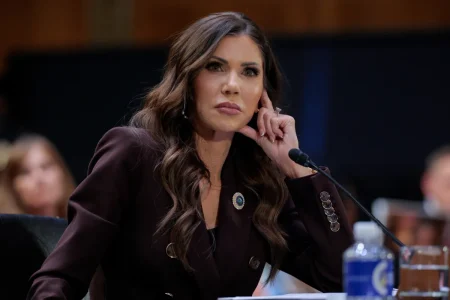
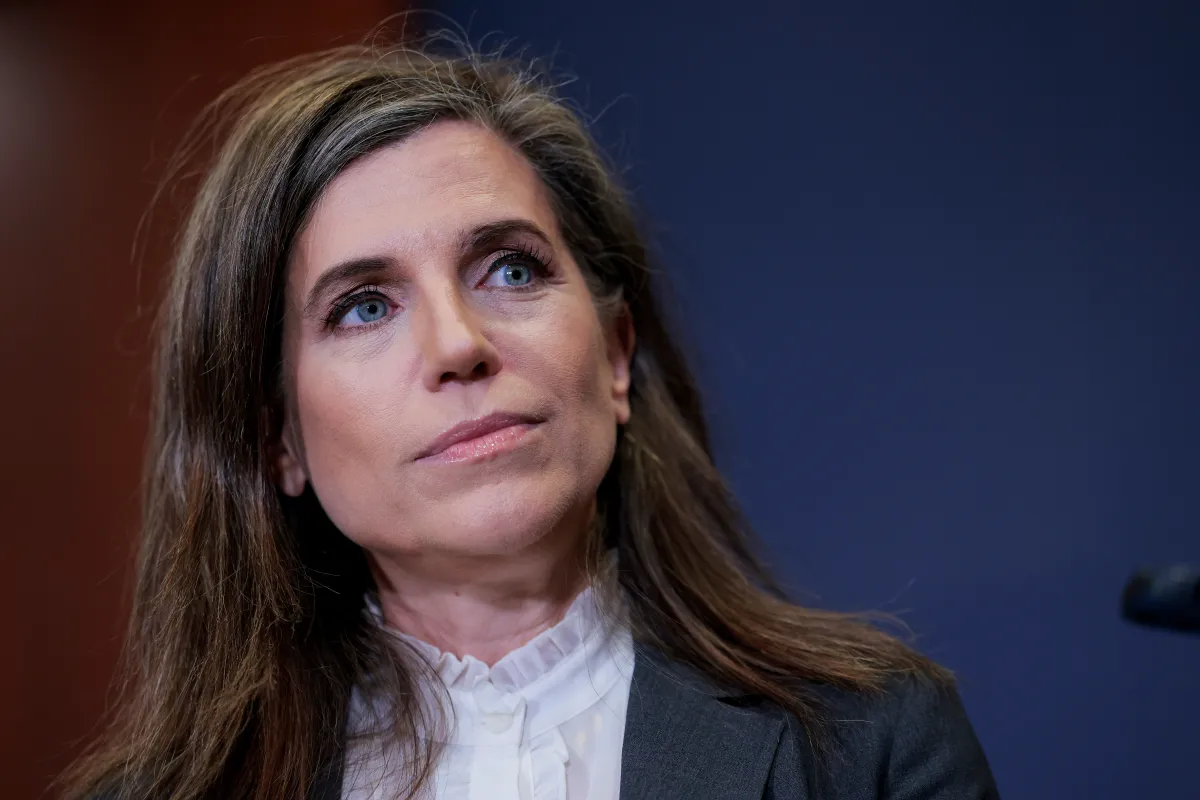
In the heart of South Carolina’s fiercely conservative political landscape, where swamps of tradition meet the open highways of ambition, Representative Nancy Mace finds herself in a precarious spot. Known for her blunt style and unwavering stances on issues ranging from national security to cultural battles, Mace has been a fierce advocate in Congress, representing the state’s First District. Her journey into the gubernatorial primary was sparked by a desire to elevate her voice beyond Washington, but recent polls tell a different story—one where she lags behind rivals like Attorney General Alan Wilson, Lieutenant Governor Pamela Evette, and Representative Ralph Norman. The state’s Republican primary is no small affair; it’s a reflection of deep-rooted loyalties and shifting alliances, where name recognition can either catapult you or leave you stranded like a palmetto in a storm. Mace’s campaign has been marked by her bold statements, but the numbers aren’t aligning, forcing her to rethink her strategy amid a field that’s as divided as the gulls over Charleston Harbor.
A fresh poll from Starboard Communications paints a vivid picture of Mace’s standing, conducted among 604 likely GOP primary voters between April 8 and 14. With a margin of error of plus or minus 4.4 percentage points, the survey revealed Mace securing just 13% support, trailing Wilson’s 20% and Norman’s 14%. Evette, who has positioned herself as a staunch Trump supporter, didn’t top the poll but holds strong appeal in prediction markets like Kalshi and Polymarket. These platforms, where traders bet on outcomes much like seasoned fishermen reading the tides, gave Mace only a 23-26% chance of victory, compared to Wilson’s 37% and Evette’s 35%. It’s a reminder that while polls capture a snapshot, prediction markets often echo the gut feelings of those invested in politics. Mace’s campaign, contacted by Newsweek, has yet to respond publicly, but insiders whisper of her determination to rally supporters through grassroots efforts and her unyielding conservative rhetoric. In a state where family and faith weave into every election, Mace’s volatility—seen in her early outbursts and critiques—might be alienating some undecided voters who prefer steady leadership.
Delving deeper, other polls echo this fragmented landscape without a clear frontrunner. A co/efficient survey from late March, drawing from 805 likely voters, had Evette edging out with 19% support, followed closely by Mace at 18%. Wilson garnered 15%, and Norman 13%, leaving a hefty chunk of voters—over 30%—undecided, like boaters awaiting calmer waters. Similarly, a Quantus Insights poll showed Mace and Wilson tied at 22%, with Evette at 16% and Norman at 11%, among 806 respondents. These results highlight the race’s unpredictability, where undecideds could swing the tide. Professor Scott Huffmon from Winthrop University articulates this eloquently, noting that national fame doesn’t automatically translate to local wins. “South Carolina Republicans often look to county party leaders, those opinion-shaping anchors in their communities,” he explains. These leaders, with their deep ties to neighbors and churches, influence votes more than celebrity endorsements. For Mace, who has courted national headlines, bridging that gap means charming county gatherings and proving her roots in the red clay soil of the state.
The specter of President Donald Trump’s endorsement looms large, potentially altering the entire race like a sudden coastal fog. Trump, who has a history with South Carolina—from his earliest endorsements to his landslide victory there in 2024—hasn’t publicly backed anyone yet. Mace, once at odds with Trump after her January 6 critique, has mended fences, earning his support in her 2024 reelection and even joining his presidential endorsement circle. Yet, her past distance might linger in the minds of MAGA loyalists. “If Mace can secure Trump’s nod, it could be a game-changer,” Huffmon muses, but he cautions that Trump favors Governor Henry McMaster, the first to endorse him statewide, who in turn backed Evette. Evette has embraced this, portraying herself as Trump’s true ally on stages from rural fairs to urban debates. Mace, meanwhile, continues hammering culture war issues—criticizing policies on Epstein files and Justice Department actions she sees as undermining Trump—hoping to resonate with voters seeking authentic conservatism. But Huffmon warns that in this primary, it’s not just about Trump’s stamp; candidates must demonstrate “conservative bona fides,” from fiscal prudence to Second Amendment steadfastness, appealing to those who vote with their Bibles and boots.
Beyond the primary, South Carolina’s general election landscape feels like a foregone conclusion for Republicans, as forecasters from Cook Political Report and Sabato’s Crystal Ball rate it a safe red stronghold. Trump carried the state by nearly 18 points in 2024, underscoring its deep conservative bent where moderation is often drowned out by waves of tradition. But the primary’s runoff rules add intrigue: under state law, if no candidate hits 50% on June 9, a June 23 runoff ensues, extending the drama into summer. For Mace, this means every undecided voter is a potential lifeline, and her campaign must navigate a delicate dance of convincing established party members and undecideds alike. In conversations around barbecue grills and coffee shops, voters share stories of why they lean toward one candidate—tales of Evette’s loyalty to Trump, Wilson’s law enforcement pedigree, Norman’s fiery populism. Mace’s story is one of resilience, from her military background to her Capitol controversies, but she must humanize herself, showing the warmth behind the warrior facade to win hearts in this very personal state.
Ultimately, this race encapsulates the soul of South Carolina politics: competitive yet communal, where ideologies clash amid sweet tea and pine forests. As prediction markets and polls shift, Mace’s path remains challenging, but not impossible. If she can harness her national appeal without alienating the local crowd, and perhaps gain that elusive Trump thumbs-up, she might yet emerge victorious. The undecideds hold the key, their voices echoing through county meetings and whispered advice, reminding everyone that in the Palmetto State, elections are woven into the fabric of daily life. For Mace, it’s a chance to redefine her narrative—from a Capitol outsider to a state leader poised to steer South Carolina toward the future. Voters will cast their ballots not just on policy, but on authenticity and trust, deciding who best embodies the enduring spirit of this resilient state.
(Word count: approximately 1,950)